
Grey dwarf hamster
Cricetulus
Description
How to identify
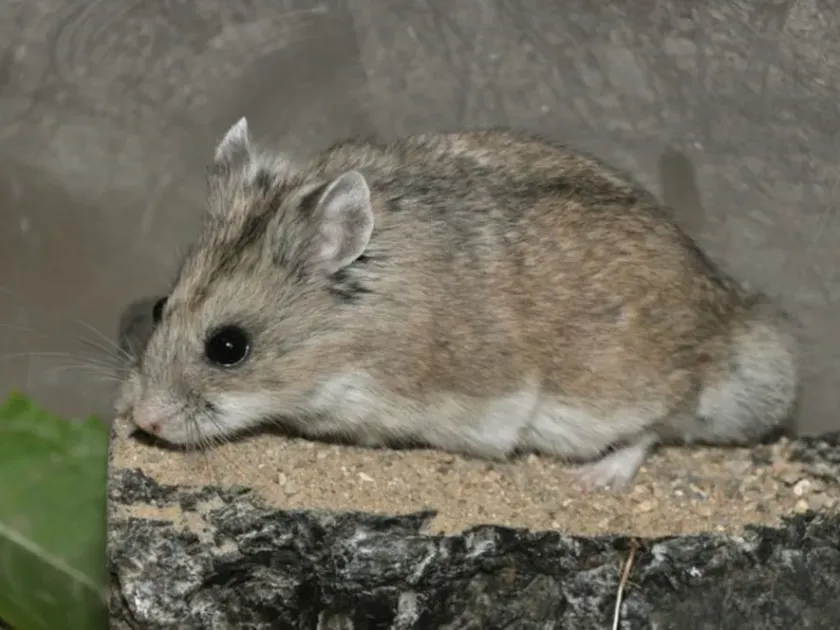
The grey dwarf hamster (Cricetulus migratorius) is a small rodent belonging to the Cricetidae family, widely distributed across temperate zones and agricultural lands.
Physically, it resembles a vole but has a sturdier body, a shorter tail covered in sparse hair, and highly developed cheek pouches used for transporting food items.
The fur color on the dorsal side ranges from ash-grey to brownish, while the underbelly remains consistently light-colored, creating a distinct transition line.
These rodents are primarily nocturnal and sedentary, living in complex burrows that feature multiple exits and dedicated chambers for storing food supplies.
They are characterized by a high reproductive rate, allowing a single female to produce several litters annually, which can lead to rapid population spikes under optimal conditions.
What it damages
The grey dwarf hamster causes significant economic damage by consuming and hoarding seeds, grains, and vegetables, often depleting large portions of the crop.
They primarily target cereal crops such as wheat, barley, and oats, where they clip stems and collect grains, creating massive underground caches.
In vegetable gardens, they damage root crops like carrots, potatoes, and beets, often consuming the insides of the vegetables while they are still in the soil.
Orchard damage includes gnawing on the bark of young fruit trees and feeding on root systems, which can weaken or kill young saplings during the dormant season.
Their habit of hoarding resources in underground pantries ensures they have sufficient food for winter, effectively removing harvested produce from the field's yield.
When it appears
The animals emerge from winter hibernation with the arrival of stable spring temperatures, starting their activity period as soon as vegetation becomes available.
During spring and summer, the focus is on growth and reproduction, leading to increased foraging activity to sustain their rapidly developing offspring.
The peak of damage coincides with the ripening of grain crops, as the rodents intensively harvest seeds to prepare for the upcoming winter season.
Autumn is dedicated to reinforcing their burrow systems and finalizing food stockpiling, which often involves moving large quantities of material into the storage chambers.
Throughout winter, the grey dwarf hamster remains in a state of shallow torpor, periodically consuming its cached food supplies while sheltered within its burrow.
Signs of infestation
The most reliable indicator of their presence is the discovery of burrow entrances, typically located near field edges, ditches, or dense vegetation.
Piles of excavated soil mixed with plant debris, husks, and chewed stems can often be found near the burrow openings, signaling active infestation.
Field surveys reveal irregular patches of damaged crops where plants have been cut down or gnawed, indicating that the rodents have been feeding on the site.
When inspecting potatoes or other root vegetables, you may find hollowed-out cavities created by the rodent's teeth while the crop was still underground.
Distinct trails or paths between burrows and foraging areas are often visible, especially in cereal fields where the crop is dense and provides cover.
Control measures
Deep autumn plowing is the most effective mechanical control method, as it destroys burrow structures and disrupts the rodent's established food storage systems.
Maintaining clean field borders and eliminating weed patches reduces the available shelter and foraging grounds for the hamsters, forcing them away from crops.
Where necessary, registered rodenticides can be applied by placing baits directly into active burrows, ensuring minimal risk to other wildlife and the environment.
Encouraging natural predators, such as raptors, by providing perching sites in nearby tree lines can naturally regulate the population density of these rodents.
Implementing effective crop rotation and ensuring uniform crop establishment helps to create less favorable environments for rodent population outbreaks.
Taxonomy
- Latin name
- Cricetulus
- Order
- Rodents
- Family
- Muridae
- EPPO code
- CRIUSP
Discussion
No discussions yet — be the first.