
Conotrachelus seniculus
Conotrachelus seniculus
Description
How to identify
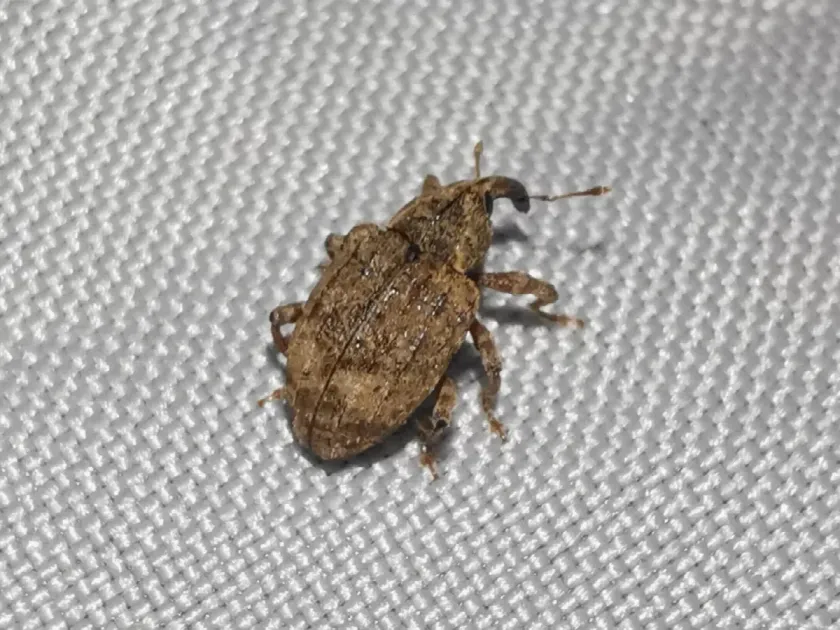
Conotrachelus seniculus is a member of the Curculionidae family, commonly known as weevils, belonging to the order Coleoptera. It features a characteristic elongated snout and a heavily sclerotized, durable exoskeleton.
Adults typically exhibit a dark brown or mottled color pattern, which provides excellent camouflage against soil or plant bark. The body is oval-shaped and covered with small tubercles and stiff bristles, giving it a rugged appearance.
Larvae are legless, creamy-white in color, and have a distinct C-shaped curvature. Their heads are highly sclerotized, allowing them to penetrate and feed efficiently within tough plant tissues.
The life cycle involves complete metamorphosis, consisting of the egg, larva, pupa, and adult stages. They are primarily nocturnal, which often allows them to remain undetected during daytime field inspections.
As an agricultural pest, this species is noted for its ability to cause significant economic damage in regions where solanaceous crops are grown intensively.
What it damages
The primary hosts of this pest are plants in the Solanaceae family, including tomatoes, peppers, and eggplants. The insect damages both the vegetative parts of the plant and the fruit.
Larvae burrow into the fruit, consuming the interior pulp, which frequently leads to premature fruit drop and rot. Infested produce loses its market value and becomes unsuitable for human consumption.
Adult beetles may damage stems and flower stalks, disrupting nutrient transport and causing flower or fruit drop. High infestations can lead to substantial reductions in overall yield.
Feeding damage creates entry points for secondary pathogens, such as fungi and bacteria, leading to tissue decay. This significantly accelerates the deterioration of the host plant.
Given its impact on crop quality and volume, farmers often consider this pest a serious threat that requires proactive monitoring and intervention.
Signs of infestation
Early signs of infestation include tiny puncture marks on the surface of young fruits, created by females while ovipositing. Small necrotic spots or slight tissue deformations often surround these puncture sites.
As larvae develop inside the fruit, the tissue begins to soften and discolor. Upon cutting open an infested fruit, you may observe larvae or the presence of frass (excrement) within the feeding tunnels.
Wilting of terminal shoots and the premature shedding of blossoms are key indicators of adult feeding activity. Plants often appear stunted or stressed compared to their healthier neighbors.
During the night, adults can be spotted by using a flashlight; when disturbed, they exhibit the common "playing dead" behavior, dropping to the soil to avoid detection.
Secondary infections or mold emerging from puncture sites are late-stage signs of an established infestation, indicating that the larvae have already caused significant damage to the fruit interior.
Control measures
Management strategies include cultural practices such as deep plowing after harvest to destroy overwintering stages in the soil. Removing and destroying infested plant debris is essential to reduce the pest population.
Biological control involves the use of entomopathogenic nematodes or fungi, which can be applied to the soil or foliage. These treatments are most effective when environmental moisture is maintained.
Chemical control involves the application of systemic or contact insecticides targeting the adults during their peak activity periods. Spraying should be performed in the evening to maximize effectiveness.
- Practicing crop rotation to disrupt the pest's life cycle.
- Utilizing light traps to monitor population density.
- Selecting resistant crop varieties where available.
- Isolating and removing infested plants as soon as symptoms appear.
An integrated pest management approach is necessary to keep populations below the economic injury level while minimizing the need for heavy pesticide usage.
Taxonomy
- Latin name
- Conotrachelus seniculus
- Order
- Coleoptera (beetles)
- Family
- Curculionidae
- EPPO code
- CONHSE
Discussion
No discussions yet — be the first.