
Grape berry moth
Cochylis
Description
How to identify
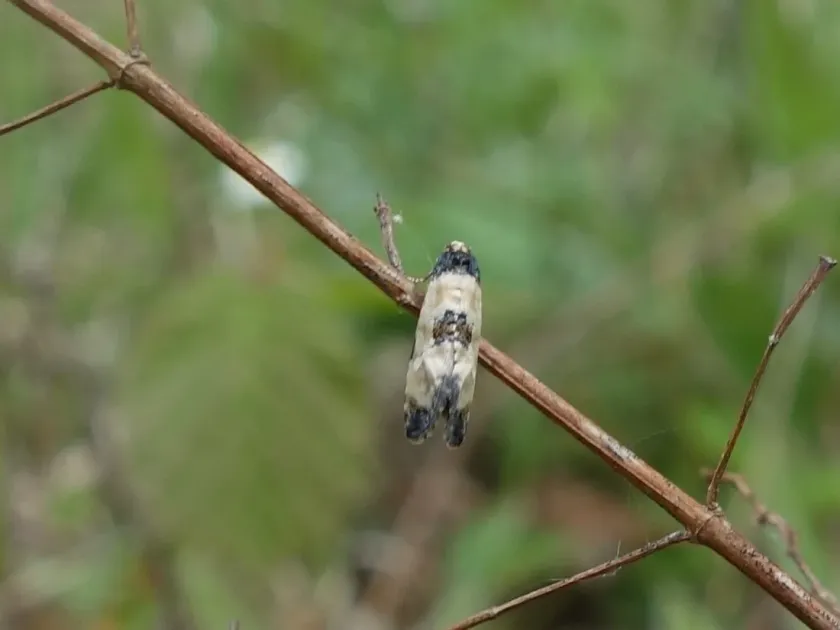
The grape berry moth (Cochylis roseana and related species) belongs to the Tortricidae family. The adult moth is small, typically ranging from 12 to 15 mm in wingspan, with a distinct brownish-ochre pattern on its forewings.
Larvae are small, light yellowish-green caterpillars with dark head capsules. They are cryptic by nature and reside within the host plant tissues, making them difficult to spot at a glance.
The life cycle involves four stages: egg, larva, pupa, and adult. The duration of each stage is highly dependent on ambient temperature and regional climatic conditions.
Typically, the pest undergoes several generations per year, with the first generation often synchronizing with the bloom stage of the grapevines.
Professional monitoring relies heavily on the use of pheromone traps, which attract male moths and help producers determine the appropriate timing for insecticide applications.
What it damages
The larvae primarily damage the grapevine by feeding on flower clusters and young berries. This direct feeding leads to the destruction of the reproductive parts of the plant.
Damaged berries serve as entry points for secondary pathogens, such as Botrytis cinerea (gray mold), which can cause significantly more damage to the crop than the larvae themselves.
When infestation is severe, the entire bunch structure can be webbed together with silk, resulting in stunted growth and the eventual loss of the grape cluster.
Crop quality is significantly reduced as damaged berries become unmarketable, and the overall yield is negatively impacted due to premature berry drop.
The economic impact of this pest is high, as it directly affects the primary product of the vineyard, requiring strict management practices to ensure harvest quantity.
When it appears
These moths overwinter in the pupal stage, protected within cocoons hidden under loose bark or in sheltered crevices of the wooden vineyard supports.
Adult emergence typically begins when temperatures rise steadily above 12-14°C in the spring, coinciding with the early development stages of the vines.
The first larval generation is most active during the flowering and fruit-set phases, which are critical periods for the future development of grape bunches.
Subsequent generations continue the cycle through the summer, feeding on berries as they ripen and preparing for the winter by creating hibernacula.
Monitoring the duration and timing of moth flights is essential because environmental variations can shift the lifecycle by several days or even weeks each year.
Signs of infestation
One of the earliest signs of infestation is the presence of silk webbing on the flower clusters, which indicates that larvae have begun their feeding activity.
Symptoms of infestation on developing berries include small entry holes surrounded by fine frass (larval excrement) or stained skins on the surface of the fruit.
Wilting and browning of portions of the grape bunch, often followed by premature dropping, are clear indicators that larvae are feeding internally.
During inspections, producers may find clusters that appear prematurely colored or shriveled, which often contain larvae or their remnants inside.
The presence of adult moths during twilight hours around the vineyard canopy is an early indicator of egg-laying activity, warranting immediate scouting actions.
Control measures
Cultural control measures, such as removing old bark from trunks and clearing plant debris, significantly reduce the number of overwintering pupae in the vineyard.
Chemical control must be timed precisely based on monitoring data, specifically targeting the period between egg hatching and the larvae entering the berry or flower bud.
Biological control options, including the use of Bacillus thuringiensis, offer an effective and environmentally friendly way to suppress larval populations without disrupting beneficial insects.
Proper canopy management is vital, as good airflow and light penetration make the vineyard less attractive to egg-laying females and improve pesticide coverage.
Integrated Pest Management (IPM) strategies, combining pheromone trap monitoring, cultural sanitation, and selective insecticide timing, represent the gold standard for controlling this pest.
Taxonomy
- Latin name
- Cochylis
- Order
- Lepidoptera (butterflies)
- Family
- Tortricidae
- EPPO code
- CCHYSP
Discussion
No discussions yet — be the first.