
Cochlostoma septemspirale
Cochlostoma septemspirale
Description
How to identify
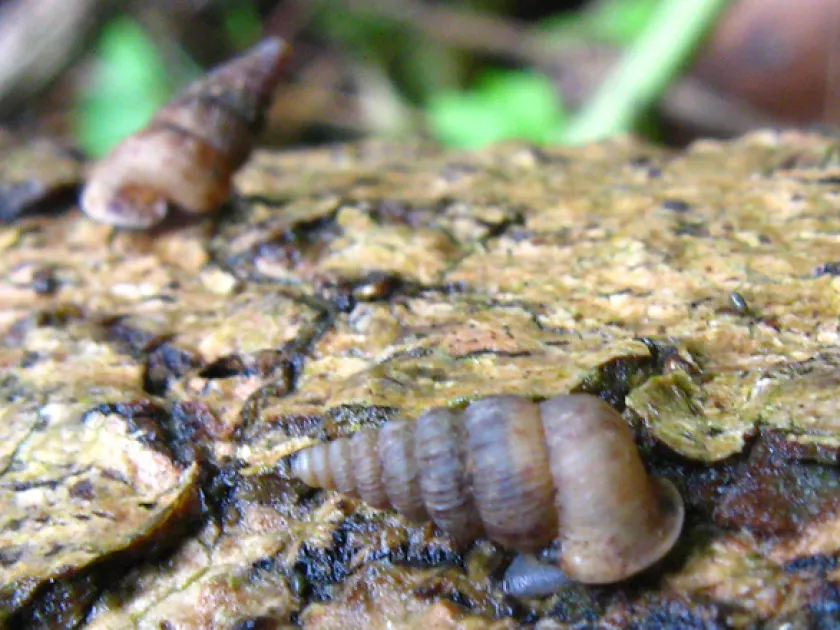
Cochlostoma septemspirale is a small terrestrial mollusk belonging to the family Cochlostomatidae. The adult shell is conical, reaching approximately 8–10 mm in height.
The shell features 7 to 8 tightly coiled whorls, which gives the species its name. The color is typically yellowish-brown to dark brown, often marked with subtle spotting.
A distinctive anatomical feature is the presence of a tough operculum (lid), which allows the mollusk to seal its shell tightly during periods of drought or high heat.
The creature has two pairs of tentacles, with the eyes located at the base of the upper pair, a characteristic trait for this group of land snails.
The surface of the shell shows distinct ribbing, which serves as a reliable taxonomic indicator for identifying this species in the field.
What it damages
While primarily found in forest litter, this mollusk can migrate into agricultural areas, particularly those adjacent to woodland edges or shaded, damp sites.
It poses a threat to young seedlings of vegetables, ornamental plants, and low-growing shrubs, which are easily accessed during the night.
The snails primarily feed on decaying organic matter but will readily graze on living plant tissue when favorable moisture levels allow them to migrate to crops.
Feeding results in irregular holes in leaf blades, which can significantly weaken young plants and reduce their overall vitality during the critical growing phase.
The snail's movement and feeding behavior can also promote the spread of bacterial or fungal pathogens, potentially leading to secondary rot in damaged plant tissue.
When it appears
The activity of Cochlostoma septemspirale is highly dependent on environmental moisture, with peak movement observed during rainy or humid weather conditions.
During hot summer months, the snails undergo aestivation, remaining inactive and hidden under rocks, in soil crevices, or deep within dense vegetation to conserve moisture.
The primary growth and active feeding phase occurs during the spring and autumn, when moderate temperatures and frequent rainfall support their physiological processes.
As winter approaches, the snails seek out protected sites such as deep mulch layers or soil voids where they can safely hibernate until the return of spring conditions.
In regions with consistent rainfall, the species may show intermittent periods of activity throughout the year, provided temperatures do not drop below their tolerance threshold.
Signs of infestation
The most visible sign of an infestation is the presence of irregular, ragged holes in the leaves of low-growing plants located near moist soil or garden borders.
The presence of dried, shimmering mucus trails on the soil surface or plant stems is a classic indicator of nocturnal snail activity in the area.
During morning inspections, snails can often be found in clusters near the base of damaged plants or hidden under nearby debris or moist garden objects.
Repeated feeding sessions lead to significant defoliation and a general stunted appearance in seedlings, which often struggle to recover from the injury.
Observation of the pests themselves during damp evenings provides definitive proof of infestation, indicating the need for immediate management intervention.
Control measures
The primary control strategy involves good sanitation: removing debris, weeds, and hiding spots near crops to create a less hospitable environment for the snails.
Applying physical barriers such as wood ash, hydrated lime, or crushed eggshells around the base of plants helps deter snails by creating a dry or irritating surface.
Chemical control using molluscicides based on metaldehyde or iron phosphate can be effective in reducing high populations, provided they are applied safely near crops.
Installing beer traps or bait stations partially buried in the soil is an effective way to monitor and trap active snails without excessive reliance on chemicals.
Encouraging biodiversity by providing habitats for natural predators like hedgehogs or specific ground beetles can help keep snail populations under natural control.
Taxonomy
- Latin name
- Cochlostoma septemspirale
- Order
- Molluscs
- Family
- Cyclophoridae
- EPPO code
- CCLMSE
Discussion
No discussions yet — be the first.