
Cochlicopa
Cochlicopa
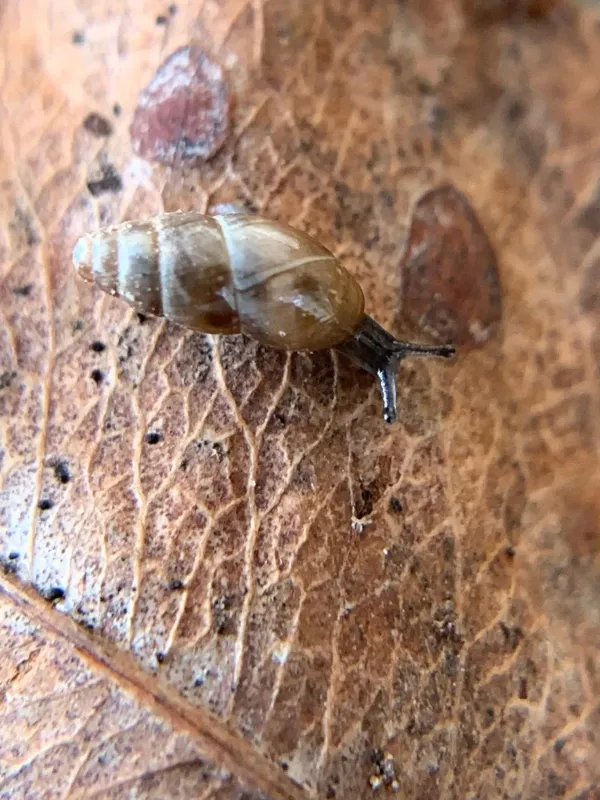
Description
How to identify
Cochlicopa is a genus of land snails belonging to the family Cochlicopidae. These are small mollusks known for their elongated, shiny, and cone-shaped shells, which typically reach a length of 5 to 7 millimeters.
The shell color varies from horn-like to deep brown, featuring a smooth and semi-translucent texture. Unlike larger garden snails, they lead a cryptic lifestyle, remaining hidden in damp environments.
Being hermaphroditic, Cochlicopa species can reproduce rapidly when environmental conditions, particularly moisture levels, are favorable for their development.
Due to their minute size, they are often overlooked by gardeners until significant damage to plants occurs. They are typically found in shaded areas with high organic matter content.
Biologically, they function as decomposers in nature, but in agricultural settings, they can become detrimental pests by feeding on tender plant tissues.
What it damages
These mollusks primarily target young seedlings, causing severe damage to vegetables, flowers, and berry crops. Lettuce, cabbage, and young legumes are among their preferred food sources.
The pest feeds by rasping the epidermis of leaves, creating irregular holes and often destroying the apical meristem, which leads to stunted growth or plant death.
The damage becomes most severe during damp spring months when seedlings are vulnerable and the snail population is at its peak of activity.
Beyond physical consumption of plant material, Cochlicopa snails act as vectors for various soil-borne pathogens, spreading bacterial and fungal diseases across the garden.
A heavy infestation can significantly reduce crop stands, leading to substantial economic losses in early-season vegetable production if left unmanaged.
When it appears
The period of peak activity for Cochlicopa coincides with the spring and summer months when weather conditions are humid and temperatures are moderate.
These snails are nocturnal, emerging to feed at night or during overcast, rainy days. During the day, they remain sheltered under soil clods, debris, or mulch.
Their lifecycle is strictly regulated by environmental humidity. During dry spells, they retreat deeper into the soil profile or enter a state of dormancy to survive.
Autumn brings a surge in breeding activity, as they prepare for the upcoming winter, often laying eggs in protective soil crevices or under decaying vegetation.
Overwintering occurs either as adults or eggs buried in the soil or protected under thick layers of organic material, ensuring their survival through colder months.
Signs of infestation
A tell-tale sign of a Cochlicopa presence is the characteristic silvery trail of dried mucus left on leaf surfaces and surrounding soil.
Feeding damage is easily recognized by jagged leaf edges and holes in the foliage, often appearing overnight in previously healthy plant patches.
If you inspect the undersides of leaves or underneath boards placed near vulnerable crops during early morning, you will likely find clusters of these small snails.
The presence of pearlescent, semi-transparent egg clusters in the soil near the base of plants is a strong indicator of an active and growing population.
A general loss of vigor and stunted growth in seedlings, without evidence of insect bite marks, frequently points to nocturnal mollusk feeding activity.
Control measures
Effective management requires a multi-faceted approach, combining sanitation, physical barriers, and targeted chemical control if necessary.
Sanitation is key: removing weeds, debris, and hiding spots effectively reduces the population density within the garden or greenhouse environment.
- Hand-picking snails at night or after rain to manually lower the population.
- Using beer-based traps to lure and eliminate snails from garden beds.
- Applying abrasive mulches like crushed eggshells or gravel around sensitive plants.
- Utilizing iron phosphate-based molluscicides, which are safer for the environment than traditional chemicals.
- Installing copper tape barriers to prevent snails from crawling onto raised garden beds.
Integrated Pest Management (IPM) strategies emphasize timing applications to coincide with the most vulnerable stages of the pest's lifecycle to ensure maximum effectiveness.
Taxonomy
- Latin name
- Cochlicopa
- Order
- Molluscs
- Family
- Cochlicopidae
- EPPO code
- KOCHSP
Discussion
No discussions yet — be the first.