
Date stone beetle
Coccotrypes dactyliperda
Description
How to identify
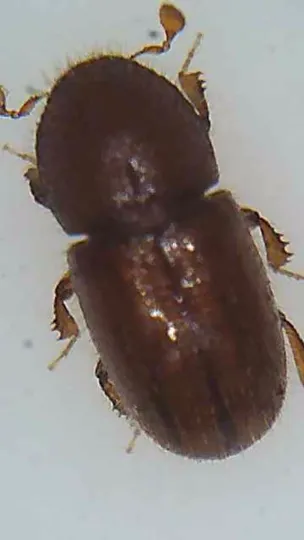
The date stone beetle (Coccotrypes dactyliperda) is a small member of the Curculionidae family, specifically the Scolytinae subfamily. Adults are typically about 1.5 to 2 mm in length.
The beetle has a cylindrical body shape and is brownish in color. A distinctive feature of this species is the presence of fine hairs on the elytra, which helps in accurate morphological identification.
The species exhibits a unique biological structure where males are often wingless and remain inside the fruit where they were born, mating with females in a closed environment.
The life cycle is rapid, allowing the beetle to complete development from egg to adult in approximately one month, depending on environmental temperatures and humidity levels.
As a global pest, it is frequently transported across international borders via infested shipments, making it a significant concern for the date palm industry worldwide.
What it damages
The primary food source for this pest is the fruit of the date palm. Both larvae and adults tunnel into the fruit, causing significant damage to the pulp and internal seed.
In addition to dates, this beetle has been documented infesting seeds of various other plants, including coffee and certain legumes, demonstrating its versatility as a stored-product pest.
In greenhouse or indoor palm cultivation, the beetle can cause damage to developing fruit ovaries, leading to premature fruit drop and significant yield reduction.
The damage is exacerbated by the introduction of fungal spores into the tunnels, which cause the fruit to rot, making it completely inedible and unsuitable for trade.
Extensive infestations lead to the destruction of the internal fruit tissue, resulting in the presence of frass and debris that compromise the hygiene standards of the product.
Signs of infestation
The most recognizable sign of an infestation is the presence of tiny, perfectly round holes on the surface of the date fruit, which act as entry points for the beetles.
When an infested fruit is opened, one will find complex tunnels filled with brown, powdery frass consisting of excrement and chewed plant tissue.
Infested dates often appear shriveled or exhibit darkened, sunken patches on their exterior where the initial entry holes are located, indicating the presence of active pests.
A noticeable musty or fermentation odor often accompanies a heavy infestation, especially when the fruit is stored in bulk within enclosed environments.
Visual inspection of a batch might reveal the presence of adult beetles crawling on the surface, which signifies that the population has begun to spread between fruits.
Control measures
Strict phytosanitary inspections at ports of entry are the first line of defense to prevent the introduction of this beetle into new geographical areas through commercial imports.
Cold storage is a highly effective non-chemical control method; keeping dates at temperatures close to or below freezing significantly inhibits the beetle's development.
Maintaining high standards of hygiene in storage facilities, including the immediate removal of infested batches, is crucial to prevent the pest from establishing a permanent cycle.
Pheromone-based monitoring traps can be deployed within warehouses to detect early activity, allowing for targeted interventions before an infestation becomes widespread.
Chemical fumigation is sometimes employed as a last resort in professional storage facilities, ensuring that all safety protocols are followed to protect both operators and consumers.
Taxonomy
- Latin name
- Coccotrypes dactyliperda
- Order
- Coleoptera (beetles)
- Family
- Curculionidae
- EPPO code
- COCODA
Discussion
No discussions yet — be the first.