
Cnestus
Cnestus
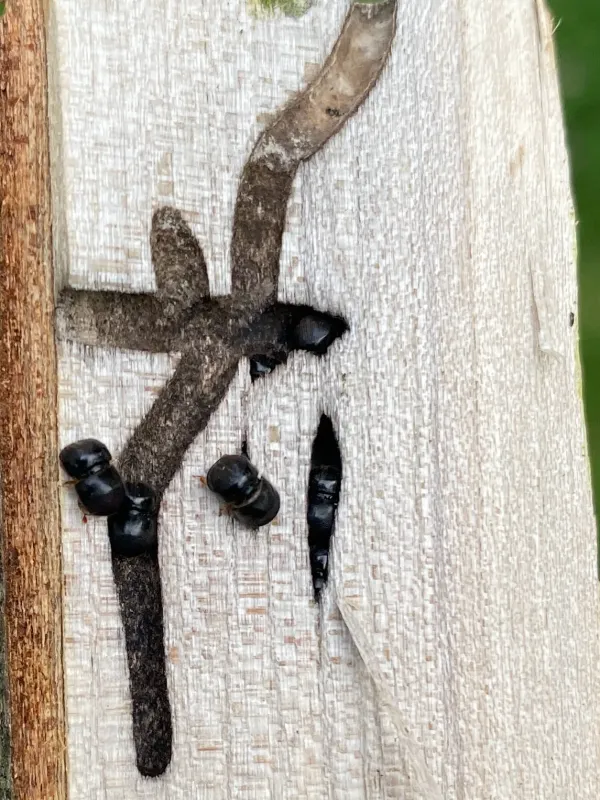
Description
How to identify
Cnestus is a genus of wood-boring beetles belonging to the Curculionidae family and the Scolytinae subfamily, commonly known as bark and ambrosia beetles.
These beetles are small, usually ranging from 2 to 3 millimeters in length, with a cylindrical body shape adapted for life inside narrow tunnels.
Their color typically ranges from dark reddish-brown to black, with a slightly textured surface often covered in fine, sparse setae or hairs.
They are characterized by a symbiotic relationship with specific fungi, which they carry in specialized structures called mycangia to colonize the wood.
The taxonomic classification of this genus is complex due to the morphological similarity between many species within the tribe Xyleborini.
What it damages
The Cnestus beetle attacks a diverse range of host plants, including fruit trees like apple and pear, as well as various hardwood species like oaks and maples.
Instead of feeding directly on the wood, the beetles excavate galleries to cultivate ambrosia fungi, which serve as the primary food source for their larvae.
The gallery construction and the subsequent fungal growth disrupt the xylem, effectively blocking water and nutrient transport throughout the branch or trunk.
Small trees and stressed specimens are particularly susceptible to attack, often leading to rapid wilting, branch dieback, or total tree mortality.
Heavy infestations can significantly weaken the structural integrity of the tree, making it prone to wind breakage and secondary infections.
When it appears
Adult activity typically begins in the spring, once temperatures are consistently high enough to support the flight and colonization of new hosts.
The peak period of flight and infestation generally occurs during the warmer summer months, correlating with the active growing season of the host plants.
Depending on the geographic region and environmental conditions, these beetles may complete multiple generations within a single calendar year.
During winter months or cold periods, the beetles remain within their tunnels in the wood, effectively sheltering from adverse climatic conditions.
Monitoring should be most intensive during the spring and early summer when beetles are actively seeking new nesting sites to establish colonies.
Signs of infestation
The most prominent sign of an infestation is the presence of tiny, circular entry holes on the bark, often accompanied by fine, dust-like frass.
In some cases, sapwood bleeding may occur around the entry holes, appearing as dark, sticky streaks running down the trunk or affected branches.
Dissection of infested wood reveals branching galleries that often exhibit dark, fungal staining on the surrounding tissues due to the ambrosia fungus.
Foliar symptoms include premature yellowing, browning, or sudden wilting of leaves, which often progresses rapidly across the infected plant segment.
Dead twigs or dying branches on otherwise healthy-looking trees are a classic indication that wood-boring beetles are actively colonizing the plant.
Control measures
Sanitation is the most critical control measure; infested branches or whole trees should be promptly removed and destroyed to limit the pest population.
Maintaining tree vigor through proper irrigation, fertilization, and site management helps trees develop natural defenses against ambrosia beetle attacks.
Chemical control using systemic insecticides can be applied during the flight phase, though its effectiveness is limited once beetles have entered the wood.
Pheromone traps are highly recommended for regular monitoring to detect the presence of the beetle early and determine the optimal timing for treatment.
In cases of significant outbreaks, coordination with local agricultural extension services is advised to implement regional pest management strategies.
Taxonomy
- Latin name
- Cnestus
- Order
- Coleoptera (beetles)
- Family
- Curculionidae
- EPPO code
- CNETSP
Discussion
No discussions yet — be the first.