
Cnephasiella moth
Cnephasiella
Description
How to identify
The Cnephasiella moth is a genus of insects belonging to the family Tortricidae, commonly known as leafrollers. These moths are characterized by their small size and the ability of their larvae to roll leaves into protective structures.
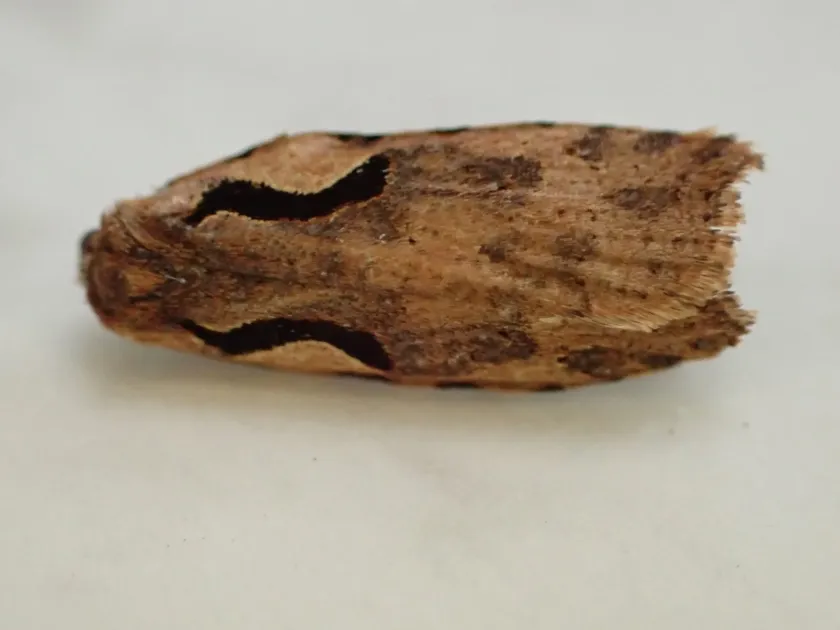
The adult moths have a cryptic coloration that blends well with tree bark. Their wingspan typically ranges from 15 to 20 mm, and they are primarily nocturnal, making them difficult to spot during daylight hours.
The larvae are highly active caterpillars, usually green or brownish in color with a darker head capsule. They are known for their habit of hanging from a silken thread when disturbed, which is a classic behavior for this group.
The life cycle includes four distinct stages: egg, larva, pupa, and adult. The overwintering stage is usually the egg, which is laid on branches or bark to survive the winter temperatures.
Scientific identification of the specific Cnephasiella species often requires detailed examination of adult genitalia, as many tortricid moths look similar to the casual observer.
What it damages
Cnephasiella species are polyphagous, meaning they feed on a wide variety of plants. They are frequently found on fruit trees like apple, pear, and plum, as well as on various ornamental shrubs.
The primary damage is caused by the larvae feeding on the leaf tissue. By rolling the leaves and tying them with silk, they create a protected micro-environment where they can feed undisturbed.
In addition to leaves, severe infestations can lead to larvae feeding on developing buds and fruitlets. This direct damage can result in cosmetic defects or even the loss of young fruit production.
Heavy feeding pressure reduces the photosynthetic capacity of the plant, which stresses the tree. Weakened trees are more susceptible to secondary pests and various fungal or bacterial pathogens.
Crop loss can be significant if management is not implemented, particularly in young orchards where the damage can stunt the growth of developing trees and impact their long-term vitality.
When it appears
The development of the Cnephasiella moth is typically synchronized with the phenology of its host plants. Larvae emerge in the spring, just as buds begin to burst, providing them with immediate food access.
The peak feeding activity of the larvae occurs throughout late spring, usually between May and June. During this time, they grow rapidly and prepare for pupation inside their leaf nests.
Pupation lasts for several weeks, and the emergence of adult moths occurs in the mid-summer. Adults are focused on mating and egg-laying to ensure the survival of the next generation.
Environmental conditions such as temperature and humidity play a crucial role in the timing of each life stage. A warm spring can accelerate development, while cool, wet weather may delay larval emergence.
Understanding these seasonal patterns is essential for orchard managers who need to time their monitoring and intervention strategies to coincide with the most vulnerable stages of the pest.
Signs of infestation
The most obvious sign of infestation is the presence of rolled or folded leaves on the branch tips. These structures are often secured with silken webbing, making them quite distinct.
Closer inspection of these rolled leaves often reveals small dark pellets, which are the frass (excrement) of the larvae, indicating that the pest is currently active within the nest.
Disturbing the foliage will often cause the larvae to drop from the leaves on silk threads, providing a quick way to confirm the presence of the pest during field assessments.
A lack of healthy growth in the terminal buds or distorted leaf shapes are common symptoms that indicate the presence of leafrolling caterpillars in the canopy.
The sighting of small moths flying near the canopy during twilight hours is another indicator that the pest population is active and potentially laying eggs for the next cycle.
Control measures
Cultural control is the first line of defense. This involves the removal and destruction of infested leaves and shoots, which helps to mechanically reduce the pest population density.
Pheromone traps are highly effective for monitoring adult populations. By tracking the number of trapped males, growers can accurately time insecticide applications to be most effective.
Biological control methods, such as the use of Bacillus thuringiensis or the encouragement of natural predators like parasitic wasps and birds, help maintain the pest at manageable levels.
Chemical control should be used as a last resort when the economic threshold of damage is exceeded. It is important to use products that are safe for pollinators and other beneficial insects.
Sustainable pest management requires a long-term approach, combining regular scouting, sanitation, and the use of targeted control measures to minimize environmental impact while protecting crops.
Taxonomy
- Latin name
- Cnephasiella
- Order
- Lepidoptera (butterflies)
- Family
- Tortricidae
- EPPO code
- CNESSP
Discussion
No discussions yet — be the first.