
Cnephasia jactatana leafroller
Cnephasia jactatana
Description
How to identify
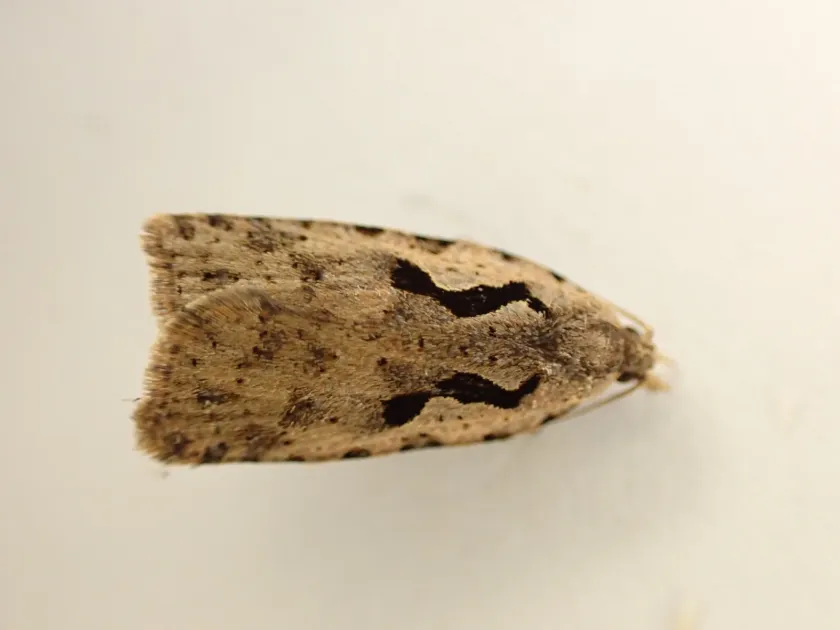
Cnephasia jactatana is a member of the Tortricidae family, commonly known as leafrollers. The adult moth is small, with a wingspan of approximately 15-20 mm, exhibiting intricate greyish-brown patterns on its forewings that provide camouflage against tree bark and foliage.
The larvae are typically greenish or olive-colored with a dark head capsule, allowing them to blend into the leaves they feed on. As they mature, they become more robust and highly active if disturbed.
The life cycle encompasses four main stages: egg, larva (caterpillar), pupa, and adult. Depending on environmental conditions, this species may complete multiple generations per year, making it a persistent challenge for growers.
Eggs are laid in clusters, often protected by scale-like secretions. These clusters are usually deposited on smooth surfaces such as bark or the underside of leaves to shield them from predators and environmental stress.
Pupation occurs within a silken cocoon constructed inside a rolled leaf. This protective structure serves as an effective barrier against many contact insecticides, necessitating precise timing for control efforts.
What it damages
This pest is a polyphagous insect, meaning it feeds on a wide range of host plants, including fruit trees and various ornamental shrubs. The primary damage is caused by larvae feeding on developing leaves and flower buds.
As the larvae grow, they roll the leaves and tie them together with silk webbing. This behavior not only creates a safe shelter but also destroys the leaf surface, significantly reducing the plant's photosynthetic capacity.
Fruit damage is a significant economic concern, as larvae often feed on the surface of developing fruit. These feeding scars decrease marketability and make the produce susceptible to secondary fungal infections.
In high-density populations, the cumulative damage to new shoots can cause stunted growth and weaken the plant's structural integrity, potentially reducing the yield for the following growing season.
Young orchards are particularly susceptible, as a single colony of larvae can defoliate and severely stress a young tree within a short period during the peak spring growing season.
Signs of infestation
The most distinctive sign of a Cnephasia jactatana infestation is the presence of tightly rolled or folded leaves fastened with silk webbing. Inspecting these structures often reveals the larva inside.
Presence of frass (larval excrement) near the rolled leaves or on the ground beneath the canopy indicates active feeding sites. The leaves themselves may show irregular holes and necrotic edges.
Webbing found on blossoms or developing fruit is a clear indicator of infestation. This silk is often visible to the naked eye, especially in morning dew conditions.
Early-season wilting of terminal shoots can occur when larvae tunnel into the growing point, causing the tip to collapse and brown prematurely.
Adult moths are primarily nocturnal and can be monitored using light traps or pheromone lures placed in the orchard during the adult flight period to determine population density.
Control measures
Effective management of Cnephasia jactatana requires an integrated approach. Regular monitoring using pheromone traps is essential to identify the start of the flight period and predict larval emergence.
Cultural control practices include the removal and destruction of infested leaves and shoots during the growing season. In winter, cleaning up leaf litter and pruning damaged branches can reduce the number of overwintering pupae.
Biological control options involve the use of Bacillus thuringiensis (Bt) based formulations, which are highly effective against young larvae while preserving beneficial insect populations in the garden.
Chemical control should be timed to coincide with the period when larvae are newly hatched and before they secure themselves inside leaf rolls. Use selective insecticides that target the larval stage to ensure minimal impact on non-target species.
Maintaining strong plant health through balanced fertilization and irrigation helps the plants withstand moderate levels of herbivory, reducing the overall economic impact of the leafroller population.
Taxonomy
- Latin name
- Cnephasia jactatana
- Order
- Lepidoptera (butterflies)
- Family
- Tortricidae
- EPPO code
- CNEPJA
Discussion
No discussions yet — be the first.