
Grey Tortrix
Cnephasia incertana
Description
How to identify
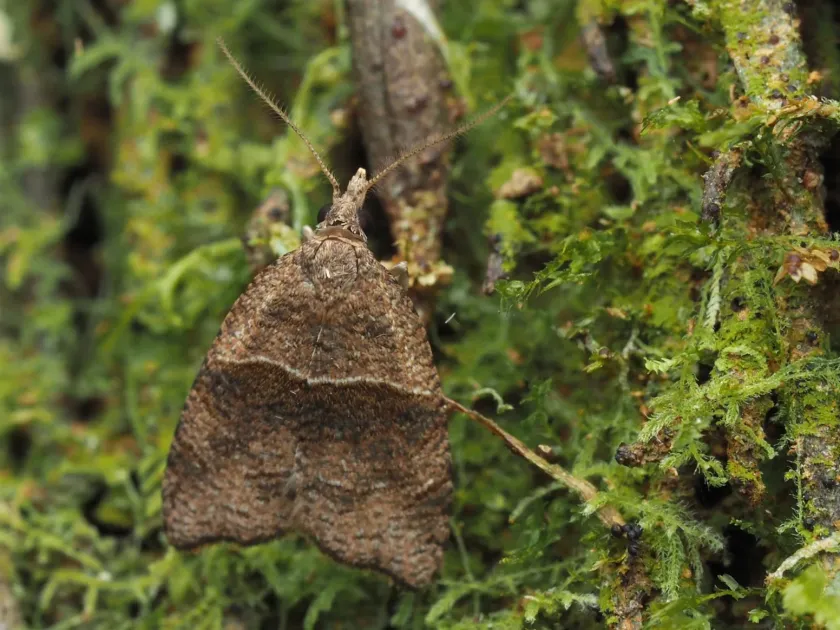
The Grey Tortrix, known scientifically as Cnephasia incertana, is a small moth belonging to the Tortricidae family. The adult moth typically has a wingspan ranging from 15 to 20 mm, featuring mottled greyish-brown forewings that provide excellent camouflage against tree bark and dry vegetation.
This species belongs to the order Lepidoptera. Adults are primarily nocturnal, remaining hidden during the daylight hours, which makes them difficult to spot in the field without using light traps or pheromone monitoring equipment.
The larvae, or caterpillars, reach lengths of up to 15 mm. They typically exhibit yellowish-green or grey body colors with a darker head capsule. These larvae possess a characteristic behavior of rolling or binding leaves together using silk threads to create protective retreats.
Pupation occurs within these leaf rolls or among dry plant debris. The pupae are dark brown and relatively active before the adult moth emerges, which is a key stage for timing management strategies effectively.
The species completes one generation per year. They overwinter as first-instar larvae, often sheltering in small silken cocoons hidden under loose bark, in wall cracks, or deep within plant litter, ensuring their survival through cold periods.
What it damages
The Grey Tortrix is highly polyphagous, meaning it feeds on a diverse range of host plants. It affects various agricultural crops, including cereals, legumes, berry bushes, and several fruit-bearing trees, posing a broad threat to diverse farming operations.
The larvae are responsible for the majority of the damage. They feed on buds, young foliage, and developing flowers. By consuming generative organs, the larvae significantly reduce fruit set and can lead to total crop failure in heavily infested areas.
In cereal fields, larvae skeletonize leaves, leaving behind only the veins. This damage disrupts photosynthesis, weakens the plant structurally, and makes the crop more susceptible to secondary fungal pathogens or environmental stress.
For fruit and berry crops, larvae often bore into blossoms or developing fruitlets. This feeding behavior causes distortion and premature drop, which directly impacts the quality and yield of the harvest, making affected produce unsuitable for market.
Mass outbreaks in grassland or forage crops are also documented. In these settings, the larvae reduce the nutritional quality and overall biomass of the crop, which negatively affects livestock productivity and field maintenance.
When it appears
Adult moths typically emerge in late spring, continuing their flight activity throughout June. This period is critical for mating and egg-laying, as the moths seek out suitable host plants to ensure the next generation has immediate access to food.
After eggs hatch, the larvae begin their growth phase. Most intense feeding activity is observed during the summer months, coinciding with the most rapid growth stages of agricultural crops, which maximizes the damage potential of the pest.
As autumn approaches and temperatures drop, the larvae cease feeding and enter a state of diapause. They retreat to overwintering sites, where they construct protective cocoons to survive the winter and early spring conditions.
Larval emergence in the spring correlates with the onset of plant vegetation. The larvae become active just as buds begin to swell, allowing them to cause immediate damage before the plant has a chance to fully develop its protective defenses.
Environmental factors like spring temperature and humidity significantly influence the population density. Warm, humid springs often lead to earlier emergence and higher survival rates, increasing the risk of widespread infestation.
Signs of infestation
The most prominent sign of infestation is the presence of rolled or curled leaves tied together with fine, silken webbing. Unfolding these leaf structures often reveals the larvae or their characteristic frass (excrement).
Buds may appear withered, hollowed out, or completely missing. On young shoots, feeding damage can lead to stunted growth or a characteristic "flagging" effect where the tip of the shoot dies back.
Leaf skeletonization is another indicator, where leaves appear thin, fragile, or look like a net. As the season progresses, these damaged leaves often yellow and drop, creating a patchy or scorched appearance in the crop canopy.
When blossoms are attacked, they fail to open properly or appear malformed. This is a primary diagnostic symptom for orchardists and berry growers, as it clearly links the pest activity to direct reproductive damage.
The presence of small, dark larvae or their distinctive silk webbing on branches and leaves is a definitive sign. Regular field scouting is necessary to identify these patterns before the damage becomes too widespread to manage.
Control measures
Effective management of the Grey Tortrix requires an integrated approach that balances cultural practices with targeted biological or chemical interventions to minimize damage.
- Sanitation is essential; removing crop residues and weeds around field edges helps eliminate overwintering sites for the larvae.
- Pruning and removing infested branches or dry plant debris helps reduce the local population of the moth.
- Encouraging natural predators, such as parasitic wasps and predatory beetles, can help keep pest populations below damaging levels.
- Applying biological insecticides, such as those containing Bacillus thuringiensis, is effective against early-instar larvae while remaining eco-friendly.
- Chemical treatments should be applied based on threshold monitoring, using selective insecticides that target the larval stages while preserving beneficial insect populations.
Adhering to proper crop rotation and maintaining spacing between plants improves airflow and light penetration, making the environment less favorable for the moth to settle and lay eggs.
Using pheromone traps helps agronomists accurately track flight patterns and population peaks. This data allows for the precise timing of control measures, ensuring the highest level of efficacy with the lowest possible use of synthetic pesticides.
Consistent monitoring and early detection are the cornerstones of successful management. By acting at the first signs of larval activity, producers can protect their investment and ensure a high-quality harvest.
Taxonomy
- Latin name
- Cnephasia incertana
- Order
- Lepidoptera (butterflies)
- Family
- Tortricidae
- EPPO code
- CNEPIN
Discussion
No discussions yet — be the first.