
Clepsis peritana
Clepsis peritana
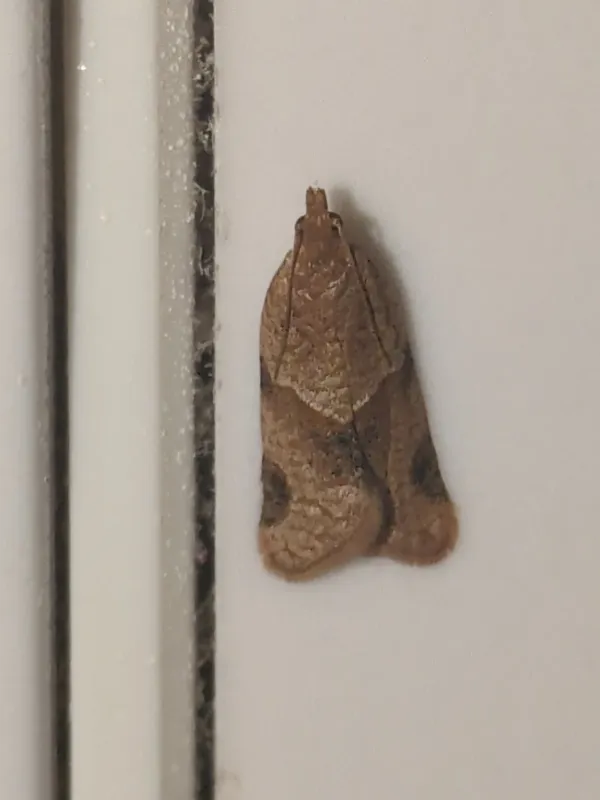
Description
How to identify
Clepsis peritana is a species of moth belonging to the family Tortricidae. These moths are widely recognized as garden and agricultural pests. The adult moth has a wingspan of approximately 12–16 mm, and its wings exhibit a mottled pattern of light brown and yellow-brown shades, which provides excellent camouflage.
The larvae, or caterpillars, are the most recognizable stage for growers. They are typically greenish or greyish with a dark-colored head. These larvae are known for their habit of rolling or tying leaves together with silk webbing to create a protective shelter.
The life cycle of this species is relatively rapid, allowing for multiple generations per year depending on the climate. The development proceeds through egg, larval, pupal, and adult stages, with each phase being highly sensitive to ambient temperature and humidity.
Systematically, it is classified under the order Lepidoptera. This moth is a generalist feeder, meaning it can survive and thrive on a wide range of host plants, which increases its pest potential in diverse agricultural landscapes.
Adult moths are nocturnal in behavior, often staying hidden during daylight hours on the underside of leaves or in debris. Monitoring at night or using specialized traps is essential for early detection.
What it damages
Clepsis peritana is a polyphagous pest, meaning it attacks a wide array of host plants including various vegetables, ornamental plants, and berry crops like strawberries. The damage is primarily caused by the larvae feeding on plant tissue.
The caterpillars feed on leaf surfaces, often creating irregular holes or completely skeletonizing the foliage. This reduces the photosynthetic capacity of the plant and slows down overall growth, affecting crop vigor.
In strawberry fields, larvae often feed directly on the fruit, boring into the berries. This damage not only ruins the marketability of the product but also encourages secondary infections, such as rot, to set in.
Seedlings and young plants are particularly vulnerable. When larvae feed on the growing tip or terminal buds, it can cause stunted growth or severe deformity, sometimes requiring the removal and replacement of the plant.
The presence of webbing throughout the foliage is a key sign of infestation. This webbing can interfere with normal plant development and creates an environment where pathogens can easily spread throughout the crop canopy.
Signs of infestation
The most visible sign of Clepsis peritana infestation is the presence of rolled or folded leaves bound together by silk threads. These nests provide a protected feeding site for the developing larvae.
Frass (larval excrement) is often found inside the leaf rolls. If you notice small, dark pellets within webbed foliage, it is a clear indicator that caterpillars are actively feeding and sheltered nearby.
On larger leaves, you may observe distinct patches of tissue that have been consumed, leaving behind thin, translucent epidermis. This is a common early-stage indicator before skeletonization occurs.
When disturbing the foliage, you might see small larvae rapidly wiggling and dropping to the ground or hanging by a silk thread. This defensive reaction is typical for many species of leafrollers.
Fruit damage manifests as surface scarring or deep holes, often accompanied by decay. Because the larvae often feed where the fruit touches the ground or leaves, these areas should be checked frequently.
Control measures
Successful management begins with monitoring. Using pheromone-baited traps allows growers to detect the presence of adult moths and predict when egg-laying activity will begin, helping to time interventions.
Cultural control plays a vital role. Keeping fields free of weeds reduces alternative hosts for the moth, while cleaning up crop residues after harvest destroys overwintering pupae and reduces the next generation's population.
Biological control, such as using Bt (Bacillus thuringiensis) sprays, is highly effective against younger larvae and is generally safe for beneficial insects, making it a sustainable choice for integrated pest management.
Chemical control should be used as a last resort if thresholds are exceeded. Choose products that are specific to Lepidoptera and ensure thorough coverage, especially under the leaves and within the foliage where larvae are protected.
Maintaining plant health through proper irrigation and fertilization improves the plant's natural resilience, allowing it to recover better from moderate feeding damage without the need for intensive chemical applications.
Taxonomy
- Latin name
- Clepsis peritana
- Order
- Lepidoptera (butterflies)
- Family
- Tortricidae
- EPPO code
- CLPSPE
Discussion
No discussions yet — be the first.