
Cleonis
Cleonis
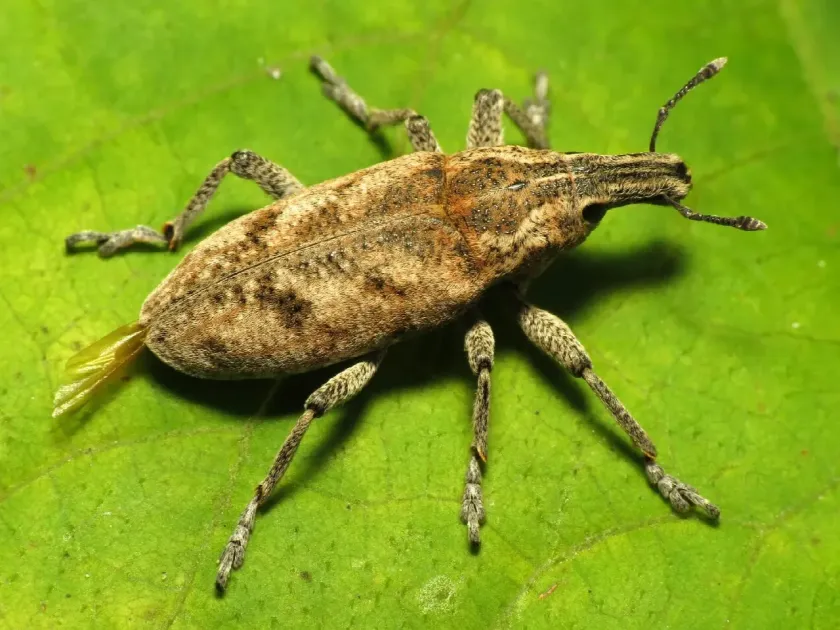
Description
How to identify
Cleonis is a genus of weevils belonging to the Curculionidae family, order Coleoptera. Adult beetles are relatively large, featuring a characteristic elongated rostrum (snout) and a dense body covered with scales that often mimic the soil color, providing excellent camouflage.
Adult body length typically ranges from 10 to 18 mm. Their coloration is usually dull grey or brown, allowing them to remain inconspicuous on the field surface or among plant debris. The larvae are C-shaped, whitish in color, and possess a well-developed head capsule adapted for living in soil or burrowing into plant tissues.
The life cycle involves sexual reproduction, with females depositing eggs near host plants. Development follows a complete metamorphosis: egg, larva, pupa, and adult. Their geographic range spans many agricultural regions depending on local climate conditions.
These pests exhibit high survival rates due to the adults' ability to endure periods without food and withstand temperature fluctuations. They primarily overwinter in the soil or under plant residues, becoming active in the spring as temperatures rise.
The species diversity within the Cleonis genus includes several economically significant representatives, such as those that specifically target root vegetables and industrial crops, posing challenges to farmers globally.
What it damages
The primary food source for Cleonis includes members of the Amaranthaceae family, particularly sugar, table, and fodder beets. They may also infest weeds such as Chenopodium, which can serve as a reservoir for the pest population in agricultural areas.
Adults primarily damage seedlings by feeding on the edges of cotyledons and destroying the growing point, which can lead to plant mortality. Larvae living in the soil feed on root systems, severing small roots and boring into the primary taproot.
Mass infestations often lead to thin, uneven crop stands. Damaged plants exhibit stunted growth, and their root vegetables may become deformed, losing commercial value and accumulating lower sugar content.
The mechanical damage caused by larval feeding creates entry points for secondary infections. Fungal and bacterial pathogens can easily enter through these wounds, causing root rot and leading to further crop loss.
The pest is most destructive during drought periods when weakened plants lack the resources to recover from tissue damage. Economic thresholds for damage necessitate field monitoring immediately after seedling emergence.
Signs of infestation
Visual detection relies on identifying the characteristic notched or "scalloped" edges on leaves. Upon inspecting the base of the stem, adults may be found, though they often exhibit "thanatosis" (playing dead) when disturbed.
Stunted growth or premature wilting during daylight hours suggests root system damage caused by larvae. Digging up affected plants often reveals chewed roots or tunnels left by the developing larvae.
Seedlings may appear "mowed down" or significantly stripped. In heavily infested fields, patches of missing or destroyed crops (bald spots) become apparent during the early developmental stages.
Occasionally, one can observe larval excrement or small entry holes in the soil around the base of the plant. During high population peaks, adults may be seen during morning or evening inspections.
Soil sampling is the most reliable method to determine larval density per hectare. Monitoring of adults is conducted through visual scouting or by placing sticky traps at the field margins.
Control measures
Agronomic practices include strict crop rotation, ensuring that beets are not planted in the same field for at least 3-4 years. Deep autumn tillage is effective in disrupting the life cycle by exposing larvae and pupae in the topsoil to harsh conditions.
Effective weed management, especially targeting Chenopodiaceae species (like lamb's quarters), is crucial to remove alternative hosts. Maintaining spatial isolation from previous beet fields significantly reduces adult migration into new crops.
Chemical control often involves seed treatments with systemic insecticides. This provides vital protection to young seedlings during their most vulnerable stage against early-season beetle attacks.
During the growing season, if the economic threshold is exceeded, foliar application of authorized contact-stomach insecticides may be required. It is essential to follow pre-harvest intervals and rotate chemicals to manage resistance.
Regular monitoring and the integration of biological control agents, such as entomopathogenic fungi, can be effective components of an Integrated Pest Management (IPM) program to reduce chemical reliance.
Taxonomy
- Latin name
- Cleonis
- Order
- Coleoptera (beetles)
- Family
- Curculionidae
- EPPO code
- CLEOSP
Discussion
No discussions yet — be the first.