
Cisticola
Cisticola
Description
How to identify
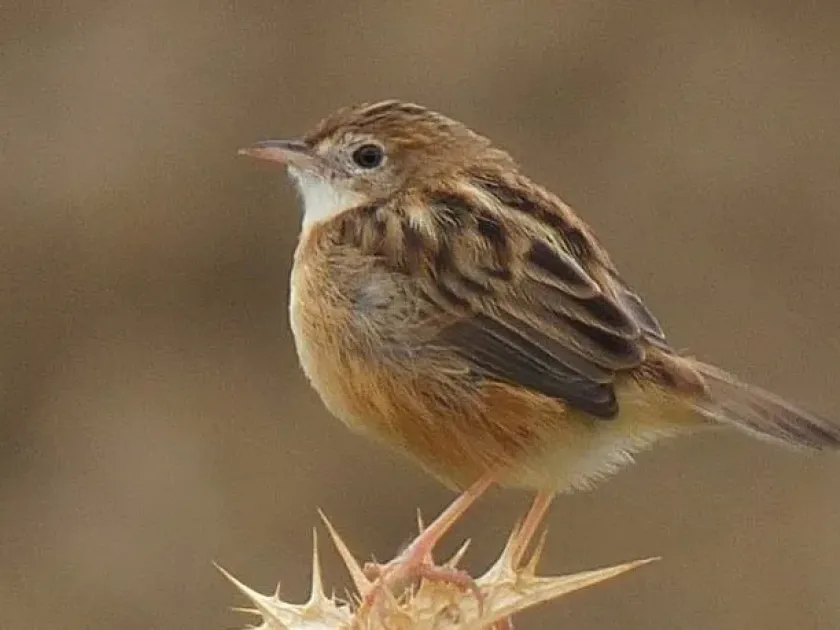
Cisticola is a genus of small, insectivorous passerine birds belonging to the Cisticolidae family. These birds are known for their drab, brownish plumage that provides excellent camouflage within dense grasses and agricultural fields.
They are characterized by short, rounded wings, which result in a fluttery and somewhat erratic flight pattern. Their presence is often identified by their distinct, repetitive calls during the breeding season.
Cisticolas are highly skilled nest builders, often constructing intricate, hanging nests that are cleverly stitched together using leaves and spiderwebs, secured to the stalks of tall plants.
While primarily insectivorous, their choice of nesting sites can inadvertently lead to impacts on agricultural operations if they choose to build nests within commercial crop stands.
Their secretive nature makes them difficult to observe; they often remain hidden deep within the vegetation, revealing themselves only through their vocalizations.
What it damages
The primary agricultural concern associated with Cisticolas is the mechanical damage caused during the construction and maintenance of their nests within crop stands.
As birds weave leaves together to secure their nests, they may cause leaf tissue damage, which can weaken the overall structure of the plant and potentially lead to secondary infections.
In cases of high nesting density, the physical weight and manipulation of stalks can lead to localized lodging or deformation of the crop, complicating mechanical harvesting processes.
While some minor consumption of seeds may occur, it is generally considered negligible compared to the benefits they provide by consuming agricultural insect pests.
Therefore, damage is almost exclusively mechanical and physical, rarely affecting the yield potential unless the population density within a single field is exceptionally high.
When it appears
Cisticola activity on farmlands is most pronounced during the spring and summer months, which coincide with their primary breeding and nesting seasons.
During the early spring, as crops reach a sufficient height, the birds begin scouting and territory establishment, selecting sites that offer protection and structural support for their nests.
Summer activity is characterized by intensive foraging, as the birds actively hunt for insects to feed their growing brood, which often leads to increased movement across the field.
As autumn approaches and crops mature or are harvested, the birds tend to vacate these areas, retreating to more stable habitats like marshlands or dense scrub.
Wintering usually takes place in warmer regions or protected areas away from active agricultural fields, leading to a total reduction of their presence on the farm.
Signs of infestation
One of the most reliable indicators of Cisticola presence is the appearance of 'stitched' or deformed leaves on the lower parts of plant stalks, indicating nesting material attachment.
Frequent and repetitive high-pitched vocalizations in the early morning hours serve as a clear auditory sign that a pair has established a territory nearby.
Visual spotting of small birds carrying caterpillars or tiny insects to a specific location in the field strongly suggests the presence of an active nest.
Localized patches of slightly matted or disturbed foliage in the middle of a row are often indicative of a nesting site hidden beneath the canopy.
Discovery of specialized nesting materials, such as silk or spiderwebs woven into plant fibers, is a definitive sign of their nesting activity.
Control measures
Cisticolas are often beneficial insects controllers, so management should focus on non-lethal, deterrent-based strategies rather than extermination.
Utilizing dynamic visual deterrents, such as reflective tape or motion-activated devices, can effectively discourage the birds from settling in specific areas of the crop.
Maintaining clean field borders and managing dense weed patches adjacent to the crop can reduce the appeal of the area as a nesting site for the birds.
Strategic timing of agricultural maintenance, such as field clearing or cultivation, can disrupt nesting cycles and encourage the birds to relocate to non-crop habitats.
Overall, balancing the presence of these birds by providing alternative nesting spots near the field edges is a recommended practice to reap their insect-control benefits while protecting the crop.
Taxonomy
- Latin name
- Cisticola
- Family
- Cisticolidae
- EPPO code
- CSTCSP
Discussion
No discussions yet — be the first.