
Cionus
Cionus
Description
How to identify
Cionus is a genus of small weevils within the family Curculionidae, known for their specific interaction with host plants of the figwort family.
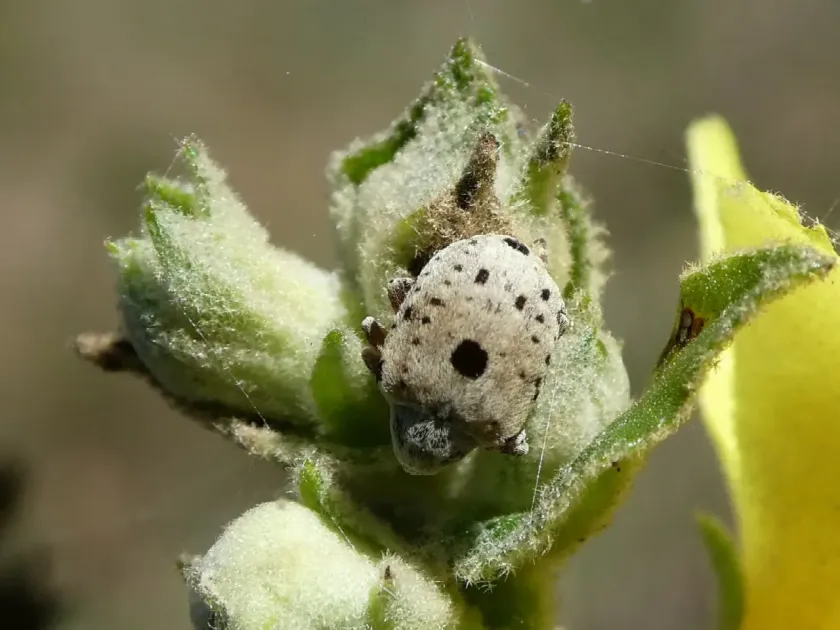
Adult weevils are characterized by a globular body shape and a relatively long rostrum, which they use to feed on plant tissues.
They often possess intricate patterns on their elytra, serving as camouflage against the background of the foliage of their host plants.
The larvae of the genus Cionus are distinct because they are covered in a layer of mucus, giving them the appearance of small slugs.
Taxonomically, they are well-recognized by specialists, though determining individual species requires microscopic examination of structural features.
What it damages
Cionus weevils primarily infest plants belonging to the family Scrophulariaceae, with a preference for Verbascum (mullein) and Scrophularia (figwort).
The damage caused by adults involves creating small, circular holes in the leaf blades, which impairs the plant's photosynthetic efficiency.
Larvae cause more severe damage by skeletonizing the leaves; they consume the epidermis while leaving the veins intact, leading to tissue necrosis.
Infested plants may exhibit stunted growth and loss of vigor, which is particularly problematic for ornamental varieties and medicinal crops.
When infestation is severe, the decorative value of host plants is significantly reduced due to the damaged and scorched appearance of the leaves.
When it appears
These weevils generally emerge in the spring as temperatures rise, signaling the start of their active feeding and reproductive cycle.
Adults overwinter in debris or sheltered areas and become active as soon as the host plants begin to produce fresh spring growth.
The reproductive phase occurs throughout the late spring and early summer, with overlapping generations often occurring in warmer climates.
Pupation takes place inside characteristic spherical cocoons attached to the plant stems or the undersides of leaves, protected from predators.
By late summer or early autumn, the new generation of adults seeks shelter for hibernation, completing their annual life cycle.
Signs of infestation
The earliest signs of infestation include small, irregular holes on the foliage that gradually enlarge as the insects continue to feed.
The presence of larvae is usually indicated by slimy trails left behind on the leaf surface and the appearance of small cocoons on the stems.
Adults are known for their defensive behavior of playing dead and falling to the ground when disturbed, making them difficult to spot.
Visible chlorosis or drying of leaf margins often occurs on heavily infested plants as a secondary effect of the extensive tissue damage.
- Circular holes in the leaves.
- Slimy, glistening tracks on leaf surfaces.
- Spherical cocoons on plant stems.
Control measures
Cultural control is highly effective; removing wild host plants from the vicinity of the garden helps to prevent initial colonization.
Manual removal of adults and infested leaves during the early stages of the season is a safe and practical approach for home gardeners.
In cases where chemical intervention is necessary, systemic or contact insecticides registered for ornamental use can be applied during peak activity.
Good garden hygiene, including the removal and destruction of plant debris at the end of the season, is essential for reducing overwintering populations.
Frequent monitoring of host plants starting in early spring allows for timely action, significantly minimizing potential harm to the vegetation.
Taxonomy
- Latin name
- Cionus
- Order
- Coleoptera (beetles)
- Family
- Curculionidae
- EPPO code
- CIOUSP
Discussion
No discussions yet — be the first.