
Golden mole
Chrysochloris
Description
How to identify
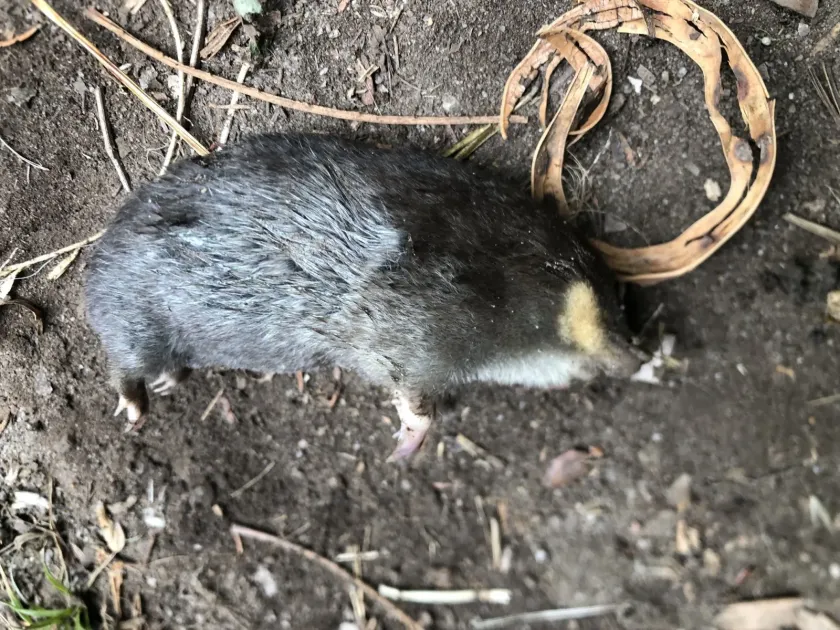
The golden mole (Chrysochloridae) is a family of small, insectivorous mammals that are distinct from true moles, possessing specialized bodies adapted for subterranean life.
They are characterized by their iridescent, metallic fur and extremely powerful foreclaws, which allow them to navigate through dense, compacted soil with remarkable efficiency.
These animals are primarily nocturnal and have evolved to be almost entirely blind, relying instead on high-frequency vibrations and acute hearing to locate their food sources.
While they are native to Africa, their behavior and digging habits have made them a topic of interest in agriculture, as their presence can alter soil structure.
The metabolic system of the golden mole allows it to enter a torpid state, enabling it to survive in harsh conditions where other subterranean animals might perish.
What it damages
The primary agricultural impact of the golden mole is the accidental destruction of plant root systems caused by their constant tunneling and excavation activities.
By creating intricate tunnels, they disrupt the soil-root interface, leading to air pockets that cause roots to dry out and eventually wither or die.
Young plants, seedlings, and root vegetables are particularly vulnerable to mechanical displacement caused by the mole's movement just beneath the surface.
Field-scale damage includes the loss of structural soil integrity, which increases water drainage and reduces the moisture retention necessary for crop growth.
In addition to root damage, the persistent tunneling can disturb irrigation systems and promote soil erosion in sloped agricultural areas.
Signs of infestation
Signs of infestation include the appearance of soil ridges on the surface, which shift as the animal moves just below the top layer of the ground.
A notable decrease in plant vitality, characterized by sudden wilting despite adequate irrigation, often indicates root-zone disturbance from underground pests.
The presence of ventilation shafts and small, irregular exit holes in the soil is a key indicator of a tunnel network being expanded by the animal.
Localized soil depressions or sunken pathways are frequently observed where the subterranean tunnels have partially collapsed due to rain or soil weight.
The activity of these mammals is often most detectable in early morning hours, when surface activity and fresh soil displacement are most frequent.
Control measures
Installing fine-mesh underground physical barriers, buried at least 50cm deep, is the most effective way to protect valuable crops from burrowing activity.
Sonic vibration devices placed in the ground can create an environment that the golden mole finds unsuitable, encouraging the animals to move elsewhere.
Consistent soil management practices, including maintaining optimal moisture levels and frequent cultivation, discourage the moles from settling in specific areas.
The application of odor-based repellents, such as castor oil-based solutions, can be effective in creating a buffer zone around sensitive garden beds.
- Installing underground wire mesh fencing
- Utilizing sonic vibration repellents
- Maintaining moist soil to inhibit deep burrowing
Taxonomy
- Latin name
- Chrysochloris
- Family
- Chrysochloridae
- EPPO code
- CRKHSP
Discussion
No discussions yet — be the first.