
Chileulia stalactitis
Chileulia stalactitis
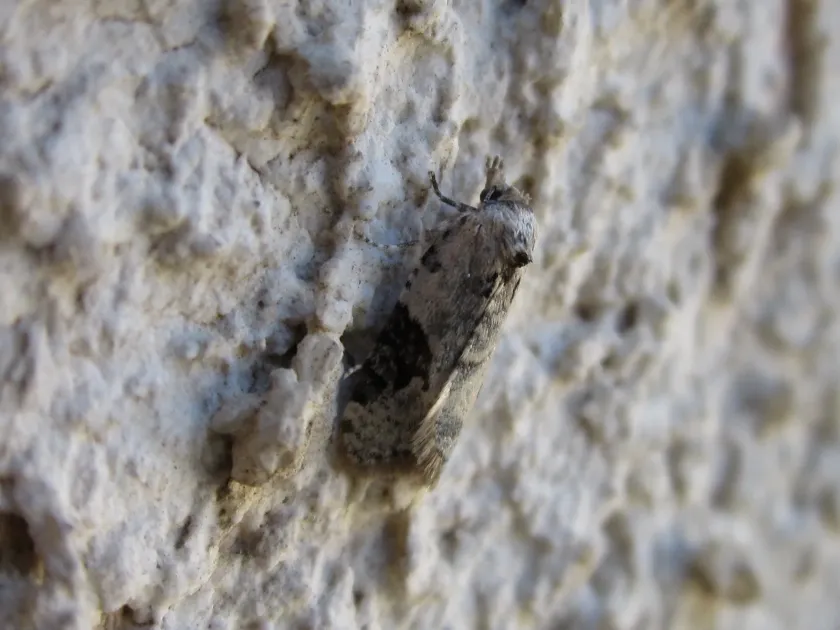
Description
How to identify
Chileulia stalactitis is an insect species belonging to the order Coleoptera and the family Chrysomelidae. The species is named after its physical resemblance to stalactites, which is a specialized evolutionary camouflage for blending into tree bark.
Adults possess a hardened exoskeleton with a rugged texture, usually colored in dull brown or gray tones. Larvae are typically hidden within the bark crevices, exhibiting cryptic behavior to avoid detection by natural predators and human observation.
What it damages
This pest primarily targets trees and woody shrubs, feeding on the inner bark and cambium layer. By disrupting the transport of nutrients through the phloem, the insect severely weakens the host plant's physiological structure.
Heavy infestations lead to stunted growth, wilting of canopy sections, and structural compromise of the host's trunk. If left untreated, the damage can facilitate secondary infections by pathogens and environmental stress.
When it appears
The life cycle begins in early spring when adults emerge from overwintering sites as temperatures rise. The primary feeding period for larvae occurs throughout the late spring and early summer months.
Pupation typically takes place mid-summer, either in the soil or protected crevices of the host plant. The species undergoes a single generation per year, completing its development in synchronization with the host plant’s growth cycle.
Signs of infestation
Signs of infestation include localized lesions on the bark surface and the presence of frass or sawdust around the entry holes. Often, these spots appear slightly sunken or cracked due to localized necrosis.
Leaves on infested branches may turn yellow or drop prematurely due to interrupted water and nutrient transport. A close inspection of the trunk often reveals small galleries or holes where the larvae have been actively feeding.
Control measures
Effective management requires a proactive approach aimed at reducing the pest population before it reaches damaging levels. Regular monitoring and good horticultural practices are the first line of defense.
- Sanitary pruning of dead or severely infested branches to reduce breeding grounds.
- Application of systemic insecticides during the peak of larval activity.
- Use of sticky barriers on trunks to intercept ascending larvae.
- Maintaining plant vigor through appropriate irrigation and nutrient management.
Taxonomy
- Latin name
- Chileulia stalactitis
- Order
- Lepidoptera (butterflies)
- Family
- Tortricidae
- EPPO code
- CHIEST
Discussion
No discussions yet — be the first.