
Chileulia
Chileulia
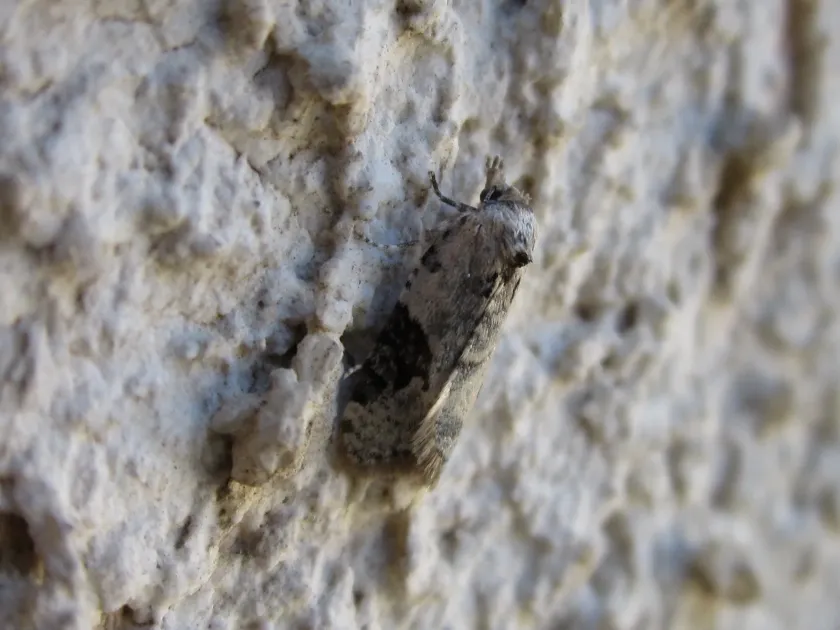
Description
How to identify
Chileulia is a genus of moths belonging to the family Tortricidae, commonly known as leafrollers. These insects are part of the order Lepidoptera and are recognized by their small size and specific resting posture where their wings are folded over the abdomen.
Morphologically, adult Chileulia moths have a cryptic coloration that allows them to blend in with bark, leaves, or plant debris. The identification of specific species within this genus is often difficult and typically relies on the dissection and examination of genitalia.
The larvae, or caterpillars, are the active feeding stage of the insect. They possess a chewing mouthpart and are characterized by their ability to produce silk, which they use to bind leaves together and create protective shelters.
The lifecycle of this genus involves complete metamorphosis: egg, larva, pupa, and adult. Each stage is adapted to specific environmental conditions, which facilitates the survival of the population throughout the seasons.
As agricultural pests, they are studied for their potential to cause damage to high-value fruit and ornamental trees, making accurate taxonomic identification essential for quarantine and management purposes.
What it damages
The damage caused by Chileulia is primarily due to the feeding activities of the larvae. They consume buds, young leaves, flowers, and developing fruit, which can lead to significant economic losses in commercial horticulture.
Larvae often web leaves together, creating a protected microenvironment where they can feed undisturbed. This behavior not only consumes the leaf tissue but also reduces the plant's overall photosynthetic capacity.
When larvae feed on fruits, they burrow into the surface, creating holes and tunnels. This physical injury ruins the fruit's marketability and exposes it to secondary infections from fungi, bacteria, and rot-causing pathogens.
In addition to direct destruction of plant organs, severe infestations can lead to stunted growth of new shoots, deformation of fruits, and increased stress on the host tree, making it more susceptible to other pests and diseases.
Economic damage is most severe when larvae populations are high during critical phenological stages, such as fruit set or rapid shoot growth, potentially leading to substantial yield reductions.
When it appears
The seasonal activity of Chileulia is heavily dictated by the local climate and the phenology of their host plants. Most species follow a recurring pattern of generations throughout the year.
Winter is typically spent in a state of diapause, with larvae residing in protective hibernacula within tree bark, leaf litter, or crevices. Spring emergence occurs as temperatures rise and host plants begin to bud.
Adult flight usually coincides with the flowering period of fruit crops. This synchronization ensures that the subsequent generation of larvae emerges exactly when food resources are most abundant and nutritious.
During the summer months, the developmental rate increases due to warmer temperatures, often resulting in overlapping generations. This persistence makes constant monitoring necessary during the active growing season.
As autumn approaches, the environmental cues trigger the final larval generation to seek suitable overwintering sites, entering diapause to survive the winter temperatures until the following year.
Signs of infestation
The most distinctive sign of Chileulia infestation is the presence of rolled or folded leaves fastened together with silk strands. These webs are clear indicators of larval feeding activity.
On fruits, one might notice small surface scars or entry holes. In many cases, these wounds may become discolored or necrotic, signaling the presence of a larva deep within the fruit tissue.
- Rolled or webbed leaves on terminal shoots.
- Evidence of gnawed or skeletonized leaf tissue.
- Fresh excrement (frass) visible near feeding sites.
- Distorted growth or wilting of buds and blossoms.
- Premature fruit drop in heavily infested trees.
Monitoring using pheromone traps is highly effective for detecting the presence of adult moths. By tracking the number of trapped moths, growers can determine the exact timing for preventative measures.
Visual scouting of buds and young foliage early in the season is a critical practice for detecting infestations before they develop into widespread problems that are harder to control.
Control measures
Managing Chileulia requires an integrated pest management (IPM) approach. Relying on a single control method is rarely sufficient for maintaining low pest populations in a commercial setting.
Cultural control practices are fundamental and include the removal and destruction of infested plant material, such as pruned branches and fallen leaves, to reduce the overwintering population.
Biological control involves the use of natural enemies, such as parasitic wasps or predatory insects, and the application of microbial insecticides like Bacillus thuringiensis, which target the larvae specifically.
Chemical control should be strategically timed to target the larvae during their most vulnerable stage, just after hatching and before they form their protective silken nests. Using selective insecticides helps preserve beneficial insects.
Long-term success depends on consistent monitoring and the rotation of insecticide classes to prevent the development of resistance, ensuring that the pest population remains below the economic threshold.
Taxonomy
- Latin name
- Chileulia
- Order
- Lepidoptera (butterflies)
- Family
- Tortricidae
- EPPO code
- CHIESP
Discussion
No discussions yet — be the first.