
Chelisoches
Chelisoches
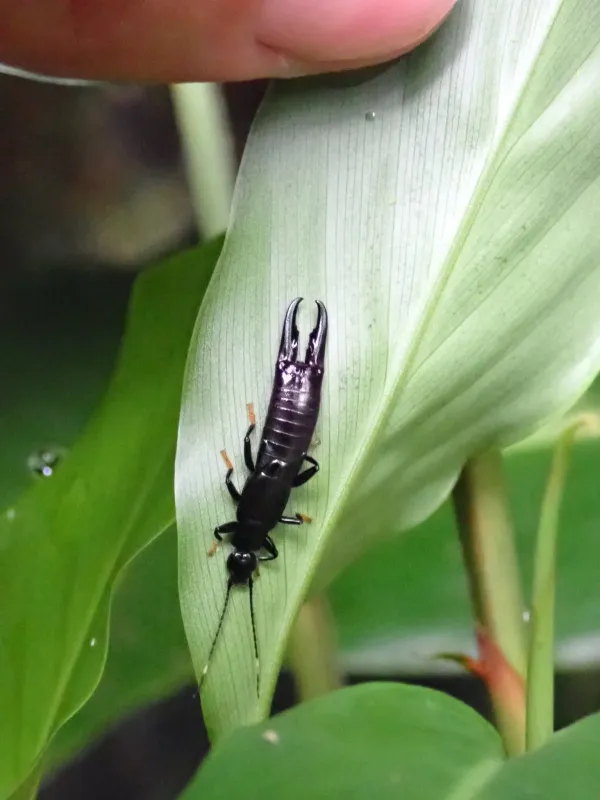
Description
How to identify
Chelisoches is a genus of insects belonging to the order Dermaptera and the family Chelisochidae. Often referred to as earwigs, they are recognized by their elongated bodies and prominent pincer-like cerci located at the end of the abdomen.
These insects exhibit nocturnal habits, preferring damp and dark environments during the day, such as under leaf litter, bark, or within tight crevices of plants. This hiding behavior makes them difficult to monitor.
The life cycle consists of egg, nymph, and adult stages. Females of this genus are known for maternal care, guarding their eggs and early-stage nymphs, which significantly improves survival rates in stable environments.
Adaptability to various climates has allowed some species within this genus to become persistent pests in agricultural regions, particularly in tropical and subtropical zones where humidity is consistently high.
Accurate species identification usually requires expert examination of the male cerci structures, as morphological differences are key to distinguishing between various dermapterans found in the field.
What it damages
As polyphagous pests, Chelisoches species feed on a wide variety of plant tissues. They are capable of damaging both vegetable crops and ornamental plants, causing significant economic losses.
The insects feed on tender parts of the plant, including young shoots, flower buds, and ripening fruit. Their feeding often leaves ragged holes, rendering the agricultural products unmarketable.
Direct damage is frequently accompanied by secondary infections, as the wounds created by the pincers provide an entry point for fungal and bacterial pathogens that cause tissue decay.
In orchards, these insects may target the skin of stone fruits, leading to spoilage and a reduction in the shelf life of the harvested crops, particularly during rainy seasons.
Young seedlings are particularly vulnerable; severe infestation can lead to stunted growth or complete plant mortality, requiring early detection and intervention in nursery environments.
Signs of infestation
The primary symptom of infestation is the presence of irregular, ragged holes in leaves, often appearing overnight. Unlike some chewing insects, their feeding patterns are typically chaotic and dispersed.
Fruit damage usually manifests as deep, irregular gouges or pits. The edges of these wounds may show signs of tissue necrosis or drying, indicating the recent activity of the pests.
Finding the insects themselves is a definitive sign. During daylight hours, they can be discovered by checking underneath mulching materials, inside plant axils, or beneath pots and garden debris.
Small, dark fecal pellets left on the surface of leaves or near the base of the plant are reliable indicators that an active population of earwigs is feeding in the vicinity.
For flowering plants, the deformation of petals and flower buds is a characteristic sign of their presence, as they often hide inside the bud during the day and feed on the tissue.
Control measures
Cultural control is the first line of defense; removing debris, weeds, and decaying organic matter from the garden reduces the favorable hiding spots that these insects depend on during the day.
Trapping techniques, such as using rolled-up corrugated cardboard or damp cloths placed in the garden at night, are highly effective for monitoring and reducing local populations mechanically.
Chemical control should be employed only when necessary. Contact insecticides are most effective when applied in the evening, coinciding with the peak activity hours of these nocturnal pests.
Adherence to safety regulations regarding chemical use is essential to prevent residue accumulation in crops, especially when dealing with edible produce during the harvesting phase.
Integrated Pest Management (IPM) strategies, which include encouraging natural predators and creating a balanced ecosystem, offer a long-term solution for managing Chelisoches populations.
Taxonomy
- Latin name
- Chelisoches
- Family
- Chelisochidae
- EPPO code
- CHCHSP
Discussion
No discussions yet — be the first.