
Rape blossom beetle
Ceutorhynchus erysimi
Description
How to identify
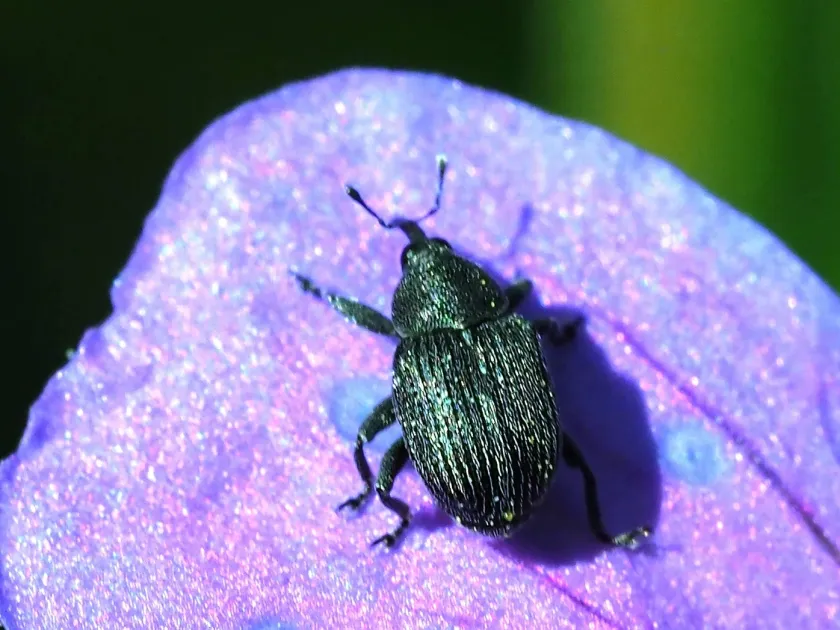
The rape blossom beetle (lat. Ceutorhynchus erysimi) is a small beetle belonging to the weevil family (Curculionidae). Adults are approximately 2–2.5 mm long, characterized by a black body with a distinct metallic blue or green sheen.
The insect possesses a compact, oval-shaped body covered with fine hairs. A key identification feature is the elongated, curved snout, which is typical for weevils. The legs are well-developed, allowing the beetle to move quickly across plant parts.
These beetles overwinter as adults in the topsoil, under leaf litter, or in field margins. As temperatures rise in early spring (reaching 8–10°C), they emerge and begin searching for host plants from the Brassicaceae family.
The life cycle is univoltine, meaning there is only one generation per year. The timing of their emergence is critical, as it often coincides with the bud formation stage of oilseed rape (canola), making them a primary pest threat.
Females lay eggs inside the developing buds by piercing the outer layer with their snouts. A single female can lay up to 100 eggs, which hatch within a few days, starting the larval feeding stage inside the bud.
What it damages
The pest primarily targets Brassicaceae crops, including winter and spring oilseed rape, mustard, and various vegetable seed crops. The most significant damage occurs during the green bud stage.
Adult beetles feed on pollen and floral tissues within the buds. By piercing the buds, they cause them to wither and fall off. This damage directly reduces the number of potential pods that the plant can produce.
Larvae feed internally on the floral organs, specifically the anthers and pistils. This destruction prevents fertilization, leading to "blind" stems where no pods develop, significantly impacting overall seed yield.
If the bloom period is extended due to cool or dry weather, the beetle remains active for a longer time, increasing the overall damage to the crop. This can lead to yield losses ranging from 20% to over 50% in untreated fields.
Secondary damage includes the entry of fungal pathogens into the feeding sites created by the beetles. This can lead to increased rates of diseases like sclerotinia stem rot or other fungal infections on the flower heads.
Signs of infestation
Visible signs of infestation include the presence of shed buds on the ground below the plants. Upon close inspection, the main flower raceme may appear thin or "balding" due to the loss of buds.
The buds themselves often show small puncture marks where the adult beetle has fed or laid eggs. Yellowing or withering buds on the upper part of the stem are common symptoms of internal larval activity.
In bright sunlight, beetles are active and fly readily. However, they exhibit a "drop-and-feign-death" behavior when disturbed, making them difficult to spot during a casual field walk. A sweep net is recommended for accurate monitoring.
The economic threshold for intervention is generally 1–2 beetles per plant during the early bud formation stage. Once this threshold is exceeded, the potential for yield loss justifies the application of control measures.
Affected plants often compensate by producing secondary lateral branches, but this leads to uneven ripening and reduced quality of the harvested seeds, making efficient control at the bud stage essential.
Control measures
Integrated pest management (IPM) is crucial. Cultural practices, such as crop rotation and maintaining spatial distance from previous year's canola fields, help reduce the local population of emerging beetles.
Weed control is vital, as wild cruciferous weeds act as alternative hosts that support the beetle population before the main crop reaches the susceptible growth stage. Keeping field borders clean is highly effective.
Early sowing can help the crop grow past the susceptible bud stage before peak beetle activity. Ensuring optimal fertility supports rapid plant development, reducing the window of opportunity for the pest.
Chemical control involves the use of insecticides, primarily pyrethroids or neonicotinoids. It is essential to monitor populations regularly and apply treatments only when the economic threshold is reached to minimize unnecessary chemical use.
Application timing must respect bee safety, as oilseed rape is a significant nectar source. Insecticides should be applied during late evening or night to protect pollinators, in accordance with local environmental regulations.
Taxonomy
- Latin name
- Ceutorhynchus erysimi
- Order
- Coleoptera (beetles)
- Family
- Curculionidae
- EPPO code
- CEUTER
Discussion
No discussions yet — be the first.