
Celypha
Celypha
Description
How to identify
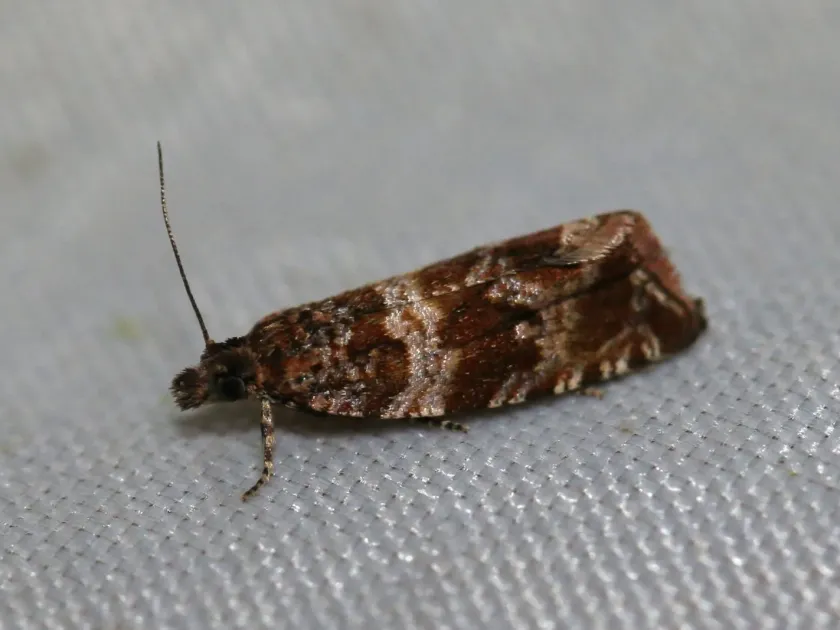
Celypha is a genus of moths belonging to the family Tortricidae (leafrollers). These insects are relatively small and characterized by a camouflage coloration that helps them blend perfectly with tree bark and leaf surfaces during the daytime.
The larvae, or caterpillars, typically have pale green to grayish bodies with a distinctively darker head capsule. This morphological feature is a key identification marker for agronomists conducting field surveys to assess pest pressure in orchards or fields.
The genus encompasses several species, such as Celypha lacunana, which is known for its polyphagous nature, feeding on a wide range of host plants including fruit trees, shrubs, and even common weeds. This adaptability makes them a persistent challenge.
Adult moths are primarily nocturnal or crepuscular. They are rarely seen during the day as they remain motionless, relying on their cryptic patterning. Monitoring their activity often requires the use of light traps or pheromone lures at night.
Understanding the life cycle and specific identification traits of different Celypha species is essential for developing precise management plans, as the susceptibility to various control methods can vary by species.
What it damages
This pest causes significant agricultural damage by targeting both fruit crops and ornamental plants. It primarily affects the foliage, where the larvae feed on plant tissues, leading to reduced photosynthetic capacity and overall plant stress.
The larvae are known for their habit of rolling or folding leaves and securing them with silk webbing. Inside these protective structures, they feed undisturbed, consuming the leaf tissue and leaving behind skeletonized remains.
Severe infestations can lead to the destruction of flower buds and young fruitlets. This direct damage to reproductive parts often results in reduced yield and lower market quality of the harvest, posing economic risks to farmers.
In young nurseries or sensitive plantations, damage to apical shoots leads to stunted growth and abnormal branching. Such deformations not only affect the aesthetics but also weaken the plant, making it more prone to secondary diseases.
Furthermore, the silk webbing used by the caterpillars can create micro-environments that trap moisture, facilitating the development of fungal pathogens, which further compounds the negative impact of the pest on the crop health.
When it appears
The life cycle of Celypha is closely synchronized with the phenology of its host plants. Activity typically commences in late spring as rising temperatures trigger the transition from the overwintering state to the active larval stage.
Overwintering usually occurs as a larva hidden in silk-lined cocoons within bark crevices, leaf litter, or debris at the base of the plant. With the onset of warm spring weather, they emerge to feed on developing shoots and leaves.
Depending on the climatic zone and the specific species, Celypha can produce multiple generations per year. This allows populations to increase significantly as the growing season progresses, potentially peaking in mid-to-late summer.
The most critical window for plant damage corresponds to the periods of active plant growth and flowering. During these times, larvae are highly active, aggressively consuming young tissue and establishing themselves in new locations.
As autumn approaches and temperatures drop, the final generation enters diapause to survive the winter. Precise timing of agricultural interventions during the spring emergence is the most effective way to manage their impact.
Signs of infestation
The most diagnostic sign of a Celypha infestation is the presence of rolled or folded leaves. These leaf structures, held together by silk, act as the larval feeding chamber and shelter from predators.
Inspection often reveals frass (larval excrement) trapped within the rolled leaves, which is a clear indicator of active feeding. The leaf tissue itself will show uneven, irregular holes or complete skeletonization of the blade area.
Malformed flower clusters or young fruits showing superficial scarring are another common indication. These feeding wounds are susceptible to drying out or becoming points of entry for various fungal infections.
When disturbing an infected shoot, larvae may rapidly descend on a thin silk thread, a behavior that often reveals their presence even before the damage becomes severe. Looking for this thread-dropping activity is a quick diagnostic technique.
During the night, adult moths may be observed in the vicinity of infested crops. They exhibit a characteristic flight pattern and can be attracted to artificial lights, which is a common practice for identifying the arrival of the generation.
Control measures
Integrated Pest Management (IPM) is the recommended approach for controlling Celypha. This involves a combination of mechanical, biological, and, when necessary, chemical measures to suppress populations below economic injury levels.
- Sanitation practices, such as clearing leaf litter and pruning infested shoots in late autumn or early spring.
- Monitoring with pheromone or light traps to determine the optimal timing for interventions.
- Applying biological control agents, including Bacillus thuringiensis or specific entomopathogenic fungi.
- Using systemic or contact insecticides during the early larval stage before leaf-rolling protection occurs.
Once the larvae have successfully rolled the leaves, contact insecticides become significantly less effective as the larvae are shielded inside. Therefore, timing is the most critical factor in achieving successful control.
Promoting a healthy environment for natural enemies, such as parasitic wasps and predatory bugs, is crucial for long-term population suppression. Reducing unnecessary broad-spectrum insecticide use helps preserve these beneficial insects.
Taxonomy
- Latin name
- Celypha
- Order
- Lepidoptera (butterflies)
- Family
- Tortricidae
- EPPO code
- CYHASP
Discussion
No discussions yet — be the first.