
Maple trumpet skeletonizer
Catastega aceriella
Description
How to identify
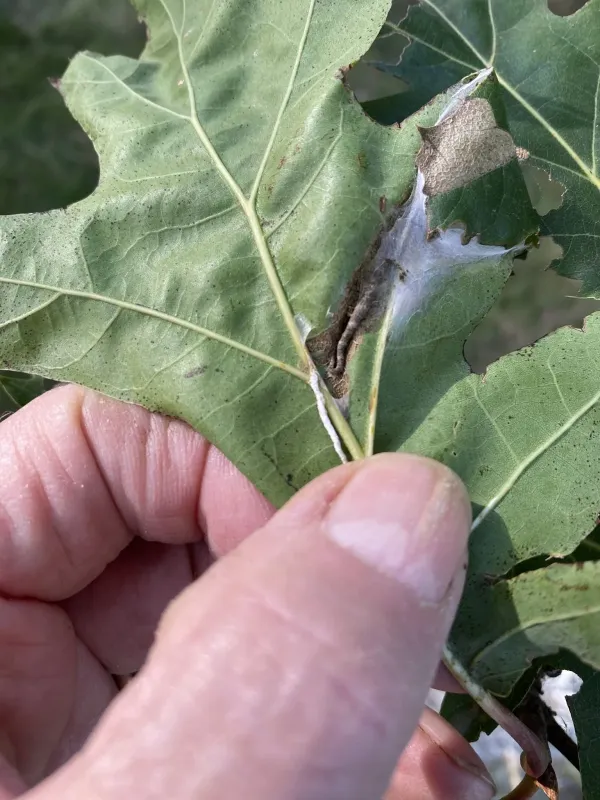
The Maple trumpet skeletonizer (Catastega aceriella) is a small moth belonging to the family Gracillariidae. The name stems from the peculiar habit of the larvae, which construct protective trumpet-shaped cases from leaf tissue and silk.
Adult moths are relatively small with cryptic coloration, making them difficult to spot on tree bark or foliage. They typically fly during the night, which makes them less obvious to casual observers during the daytime.
The larvae are the stage responsible for the characteristic damage observed on maple leaves. They remain inside their protective cases while feeding, moving around the leaf surface while keeping themselves shielded.
The life cycle is univoltine, meaning there is only one generation per year. Development is closely tied to the flushing and growth of maple leaves, ensuring an abundant food supply for the young larvae.
Overwintering occurs in the larval stage. The caterpillars retreat to the leaf litter under the trees, inside their hardened cases, providing them with effective protection from cold winter temperatures.
What it damages
The primary hosts for Catastega aceriella are species of maple (Acer), with the Norway maple being a very common target in urban and forest landscapes.
Larvae feed by skeletonizing the leaf tissue. They consume the internal layers of the leaf blade, often leaving the upper or lower epidermis intact, which creates distinctive patches and holes.
While usually considered a minor pest, high populations can cause significant aesthetic damage. Trees may exhibit yellowing and premature leaf drop, particularly during dry summer months.
In nursery settings, heavy infestations can impact the growth rate of young saplings. Significant foliage loss affects the tree's overall photosynthetic capacity, leading to long-term stress.
Damage tends to be patchy throughout the canopy. In cases of severe outbreaks, the cumulative stress can leave the tree more vulnerable to drought, pathogens, or other opportunistic pests.
Signs of infestation
The most diagnostic sign is the presence of small, trumpet-shaped cases attached to the leaf surface. These cases are made of leaf fragments and silk and are unmistakable upon close inspection.
Leaves often show irregular feeding patterns, where the green tissue has been removed, leaving behind a parchment-like appearance. Small dark deposits of frass are frequently visible near the larval cases.
Premature leaf drop is a strong indicator of prior larval activity. If a maple tree loses a significant portion of its canopy in mid-summer, it is worth checking for skeletonizer cases.
Leaf curling or minor distortions can occur where the larvae have attached their cases to the leaf margins, causing the leaf tissue to fold as it matures.
Visual inspection of the lower canopy is the easiest way to detect the pest. If larvae are present, the cases will often be clustered along the veins of the leaves.
Control measures
The most practical control method for landscape trees is the thorough removal and disposal of leaf litter during autumn. This eliminates the overwintering sites of the larvae.
If chemical intervention is necessary in nurseries, systemic insecticides applied early in the season can effectively target young larvae as they begin to feed.
Biological control using microbial insecticides, such as Bacillus thuringiensis, is highly effective and environmentally friendly, targeting the larvae without disrupting beneficial insect populations.
Maintaining tree health through proper fertilization and watering helps plants recover from foliage loss more effectively and increases their overall resilience to stressors.
Monitoring adult moth populations with pheromone traps can help arborists determine the precise timing for interventions, ensuring that control measures are as targeted and efficient as possible.
Taxonomy
- Latin name
- Catastega aceriella
- Order
- Lepidoptera (butterflies)
- Family
- Tortricidae
- EPPO code
- EPINAC
Discussion
No discussions yet — be the first.