
Carybdea
Carybdea
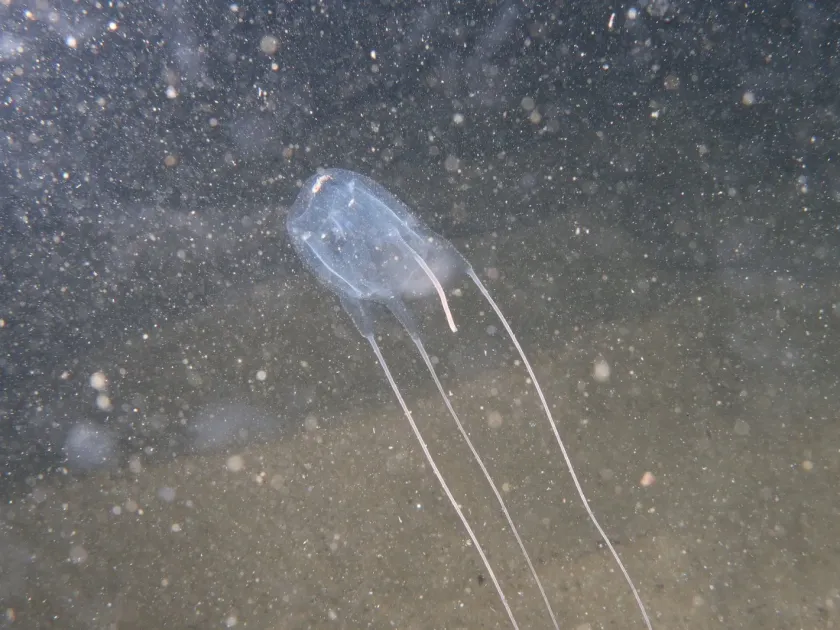
Description
How to identify
The genus Carybdea is classified under the phylum Cnidaria and class Cubozoa. While these are predominantly marine organisms, their presence in agricultural water supplies can pose significant operational challenges for large-scale irrigation and hydroponic systems.
Identification involves inspecting irrigation filters, storage tanks, and pump intakes for gelatinous structures. Adult medusae exhibit a characteristic cubic bell shape with tentacles hanging from the corners, equipped with potent stinging cells.
The lifecycle includes a sessile polyp stage, which makes detection difficult as they attach themselves to the inner walls of PVC or metal piping. This allows them to persist within infrastructure even if the water supply is periodically treated.
Growth is typically influenced by water temperature and the presence of organic nutrients. In hydroponic setups, the high concentration of fertilizers can inadvertently support the rapid development of their biological cycle.
Monitoring the quality of raw water sources used for irrigation is essential. Regular visual inspections of micro-filters can help identify the early onset of colonization by these organisms.
What it damages
The primary damage is mechanical, causing severe blockages in drip irrigation lines and nozzles. This leads to inconsistent water delivery, which directly impacts crop uniformity and overall harvest yields.
The toxins released by their nematocysts can contaminate the nutrient solution. This chemical imbalance acts as a stressor, negatively affecting root permeability and the plant's ability to absorb essential micronutrients.
Crops grown in controlled environments, such as greenhouse vegetables or high-value flowers, are most susceptible. Stressed roots exhibit symptoms like chlorosis and stunted growth, often mimicking nutrient deficiency.
The presence of decomposing medusa tissue in the water supply alters the organic load of the system. This shift frequently leads to the colonization of harmful bacteria and fungi, increasing the risk of root rot pathogens.
Persistent infestations often lead to a reduction in water flow rates. Without corrective action, the long-term impact on the irrigation infrastructure can result in significant maintenance costs and equipment replacement.
Control measures
Effective management requires a multi-stage filtration system. Utilizing fine-mesh filters is critical to prevent the transition of larvae and small polyps into the distribution system.
Ultraviolet (UV) sterilization is considered the gold standard for treating irrigation water. High-intensity UV exposure effectively neutralizes these organisms, preventing their reproduction and survival in the pipe network.
Regular maintenance and sanitation of storage tanks are vital for controlling the polyp stage. Applying approved, plant-safe sanitizers during off-cycle cleaning can help clear internal surfaces of biological films.
Biological monitoring and regular water quality testing help detect early signs of pest pressure. Understanding the chemical requirements of the irrigation system ensures that prevention measures remain within safe parameters for crop development.
A proactive approach to system hygiene is the best defense. Maintaining clean, well-managed irrigation infrastructure minimizes the risks associated with this pest and supports optimal plant vitality throughout the season.
Taxonomy
- Latin name
- Carybdea
- Family
- Carybdeidae
- EPPO code
- CYBDSP
Discussion
No discussions yet — be the first.