
Cardipennis weevil
Cardipennis
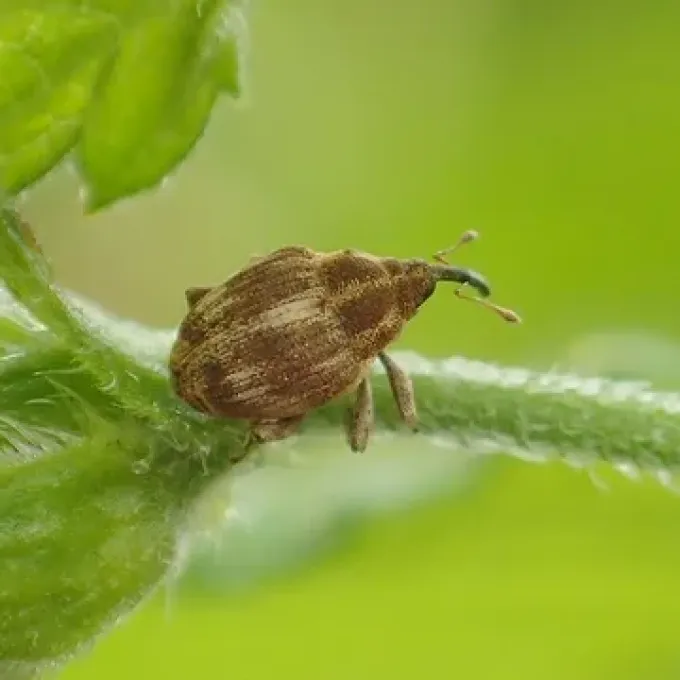
Description
How to identify
The Cardipennis weevil belongs to the large family Curculionidae (order Coleoptera). These are small beetles characterized by an elongated snout, which is typical for weevils and serves as a tool for feeding on plant tissues.
Adult beetles are typically small and often covered in fine scales, providing camouflage that matches the foliage of their host plants. Due to their size, careful inspection is required to identify them in the field.
The larvae are legless, curved, and generally light-colored with a darker, hardened head capsule. They lead a cryptic life cycle, often boring into stems or plant tissues, making them difficult to detect until damage appears.
The genus Cardipennis is part of a complex taxonomic group specialized in attacking specific host plants, primarily within the Fabaceae family. Their development includes complete metamorphosis through egg, larva, pupa, and adult stages.
Professional identification often requires microscopic examination of the pronotum and elytra structures, which are key taxonomic indicators for distinguishing this genus from other similar weevils in the field.
What it damages
The primary hosts for Cardipennis are legume crops, including clover, alfalfa, and various wild legumes. Both adults and larvae contribute to the economic damage observed in the fields.
Adults feed on foliage, creating characteristic notches along the edges of leaves. This feeding pattern reduces the photosynthetic capacity of the plant and slows down overall crop development.
The larvae are particularly destructive as they often feed internally within stems or reproductive structures. This internal feeding disrupts nutrient transport and may lead to the wilting of terminal shoots.
Heavy infestations can lead to significant defoliation and a reduction in biomass. Furthermore, the wounds created by the pests provide easy access points for secondary pathogens, such as fungi and bacteria.
Seed production is severely affected, as damage to flower buds and pods leads to direct yield losses, making this pest a significant concern for seed production fields and nurseries.
When it appears
The seasonal activity of the Cardipennis weevil is highly dependent on temperature and moisture levels. Adults typically emerge from hibernation sites, such as soil or plant debris, during early spring.
The mating and oviposition periods are synchronized with the active growth phase of the legume hosts. This ensures that larvae have immediate access to necessary nutrients upon hatching.
Temperature fluctuations significantly influence the duration of each developmental stage. Warmer conditions accelerate the metabolic rates of the larvae, potentially leading to multiple generations in some climates.
As autumn approaches and temperatures drop, adults prepare for winter diapause. They seek shelter in the soil or protected areas under crop residues to survive the winter months until the next season.
Regular field scouting is essential throughout the growing season, particularly during the flowering stage, to track population dynamics and intervene before damage thresholds are exceeded.
Signs of infestation
The most common sign of Cardipennis activity is the notched appearance of leaves, often referred to as "shotholing" or edge feeding. This is the primary indicator of adult presence.
Wilting of shoots or unexpected drying of plants without signs of root diseases suggests the presence of internal larvae. Checking for boreholes or internal discoloration can confirm the diagnosis.
Inconsistent or reduced seed set in legume pods serves as a later sign of infestation, indicating that larvae likely damaged the reproductive parts of the plant during the early budding stages.
When scouting, shaking the plants or inspecting the base of the stems can reveal the beetles. They possess a natural defense mechanism called "thanatosis," where they drop and feign death when disturbed.
Stunted plant growth and general lack of vigor in the crop are often secondary signs that the infestation has reached levels where control measures must be considered.
Control measures
Effective management begins with robust crop rotation practices. Planting non-host crops in sequence helps break the lifecycle of the weevil and reduces local population pressure.
Tillage practices, particularly autumn plowing, are highly effective in destroying the overwintering sites of the beetles, significantly reducing the number of adults that emerge in the following spring.
Good agricultural practices that promote rapid, vigorous crop growth can help plants outpace the damage caused by the pests, mitigating the overall economic impact on yields.
Chemical control with systemic or contact insecticides should be applied based on established economic threshold levels to prevent unnecessary environmental impact and secondary pest outbreaks.
Finally, weed management is crucial. Removing wild legume weeds from field borders eliminates alternative hosts and prevents the buildup of the weevil population throughout the summer season.
Taxonomy
- Latin name
- Cardipennis
- Order
- Coleoptera (beetles)
- Family
- Curculionidae
- EPPO code
- CDPNSP
Discussion
No discussions yet — be the first.