
Cabbage stem weevil
Calosirus terminatus
Description
How to identify
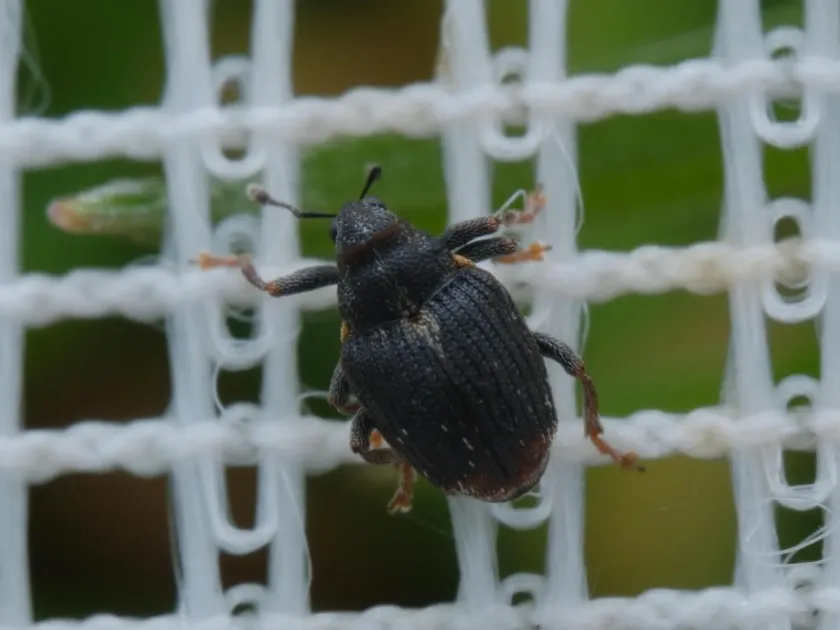
The cabbage stem weevil (lat. Calosirus terminatus) is a beetle of the Curculionidae family, which is recognized as a significant pest of various brassica crops. Adult insects are small, approximately 3 mm long, with a distinct snout and a body covered in gray scales.
These beetles overwinter in the soil or under plant debris, emerging in early spring as temperatures rise. Their life cycle consists of a single generation per year, with adults feeding and laying eggs on host plants as they begin to grow.
The larvae are legless, white, and have a brown head, residing primarily inside the stems of the host plants. Their development is fully internal, which provides them with protection from external environmental factors and many predators during the most vulnerable life stages.
Adult beetles are highly mobile and use their snouts to pierce plant tissues. This feeding habit is not only damaging directly but also serves as a vector for potential pathogen entry into the wounded plant tissue.
After the larval stage is complete, the larvae exit the stem and burrow into the soil. Here, they create small soil cells to undergo pupation and eventually emerge as adults to restart the cycle in the following season.
What it damages
This pest affects a wide range of cruciferous plants, including cabbage, cauliflower, broccoli, radish, and especially oilseed rape. Both the adult beetles and the larvae cause measurable economic damage to agricultural production.
Adults feed on the leaves and stems, causing localized injury. However, the most severe damage is caused by the larvae, which tunnel through the stem, feeding on the internal tissues and disrupting the plant's vascular system.
Infected plants often show signs of stunted growth, wilting, and increased susceptibility to secondary infections. If the infestation is severe, the stems may break or become severely deformed, leading to poor crop quality and reduced yields.
The internal nature of the damage often leads to delayed diagnosis by growers, as the symptoms only become visible when the infestation is already advanced. This makes monitoring and proactive measures essential for successful cultivation.
Host plants of this species are widespread, and since the larvae thrive inside the stem, the structural integrity of the crop is compromised, often resulting in significant financial losses in oilseed rape and leafy vegetable cultivation.
Signs of infestation
Early signs of an infestation include small puncture marks on the petioles and stems of young plants. These are the entry points where adults feed or deposit their eggs, sometimes accompanied by small droplets of plant sap that solidify.
Visible deformation of the stem, often resulting in an S-shaped curve, is a hallmark of larval activity. This happens because the tunnels created by the larvae force the plant to grow unevenly and weaken its internal structure.
Internal inspection of a suspected stem will reveal longitudinal galleries filled with larval frass. These tunnels act as corridors that prevent the proper flow of water and nutrients, leading to noticeable yellowing of leaves or premature leaf drop.
Plants suffering from heavy infestations will appear significantly smaller and less vigorous compared to healthy specimens in the same field. They may show signs of temporary wilting during warm parts of the day due to restricted water uptake.
Exit holes in the base of the plant stem near the soil line are signs that the larvae have left the plant to pupate. These holes confirm that the damage has occurred and that the current generation of pests is exiting the stems.
Control measures
Effective control requires an integrated approach that includes both cultural and chemical methods. Cultural practices, such as crop rotation and the destruction of cruciferous weeds, are foundational for keeping pest populations below economic thresholds.
Deep plowing in the autumn is a recommended practice, as it disrupts the overwintering sites of the pupae in the soil and reduces the number of adults that will emerge in the spring.
Chemical control is most effective when targeted at adult beetles before they start laying eggs. Once the larvae are inside the stem, contact insecticides are largely ineffective, making precise timing of treatments critical.
- Monitor beetle arrival using yellow sticky traps placed in fields.
- Apply systemic insecticides that protect plant tissues from within.
- Ensure field hygiene to minimize the availability of alternative host plants.
Agronomists should prioritize scouting fields during the early stages of plant growth. Quick action based on population monitoring is the most reliable way to prevent heavy infestations and protect the overall health of the crop.
Taxonomy
- Latin name
- Calosirus terminatus
- Order
- Coleoptera (beetles)
- Family
- Curculionidae
- EPPO code
- CAOITE
Discussion
No discussions yet — be the first.