
Calomys callosus
Calomys callosus
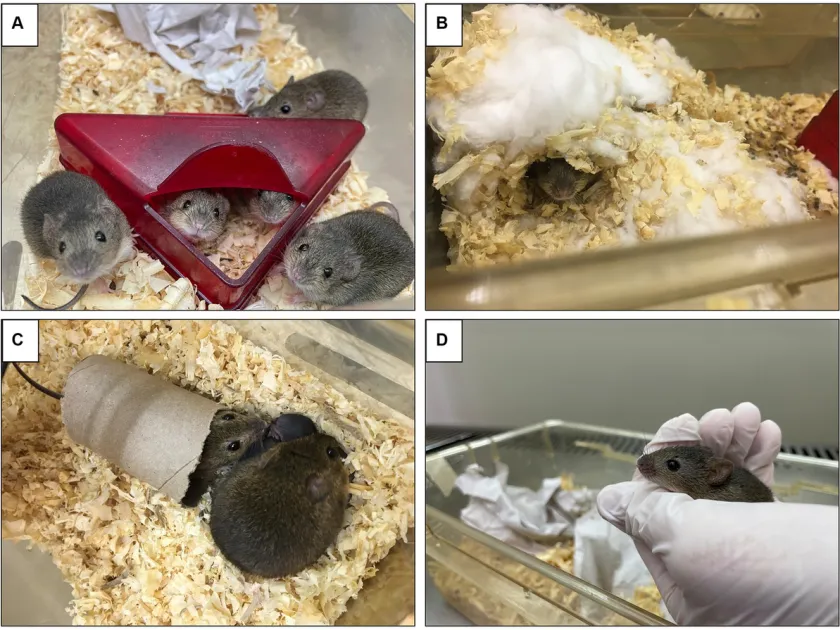
Description
How to identify
Calomys callosus is a small rodent belonging to the hamster family. This animal has a physical build typical of murine rodents: rounded ears, an elongated body, and a sufficiently long tail covered with sparse hair.
The color of the fur varies from grayish-brown to ochre, which allows the rodent to camouflage itself successfully in dry vegetation and soil cover. Adults reach small sizes but are highly active.
Biologically, this species is adapted to living both in the wild and near agricultural lands. In taxonomy, it belongs to the order Rodentia, characterized by high fertility and the ability to increase population density rapidly under favorable conditions.
A distinctive feature of the species is its high adaptability to various types of landscapes, including savannas, pastures, and cultivated fields. It prefers to settle in burrows that it digs itself or occupies after other small animals.
In natural conditions, Calomys plays a role in the ecosystem, but when migrating to fields, it becomes a serious agricultural pest, threatening regional food security.
What it damages
Calomys callosus damages a wide range of agricultural crops, including cereals, legumes, and oilseeds. It poses a particular threat to corn, wheat, and soybeans, consuming seeds and young seedlings.
The rodent causes damage not only by directly consuming vegetative parts of plants but also by gnawing on roots, which leads to lodging and crop death. During the ripening period, the pest damages ears and panicles.
In warehouses and temporary grain storage sites, this rodent is capable of destroying a significant portion of stocks in a short period. Furthermore, it contaminates produce with its excrement, making it unfit for consumption.
The pest also damages the bark of young trees and vegetable fruits, especially in dry periods when access to usual food sources is limited. This makes it a polyphage capable of switching between different types of food.
Beyond direct physical damage to plants, the rodent acts as a vector for various infectious diseases, creating additional risks for agro-industrial complexes and personnel health.
When it appears
The activity of Calomys callosus is observed throughout the growing season, but population peaks occur during the warmer months. Given the presence of a food base in the field, the population can be sustained year-round.
In spring, during the emergence of the first seedlings, the pest shows particular aggression toward young crops. During this time, it disperses most intensively across agricultural lands.
In summer, when plants are actively growing, the rodent concentrates in dense crops, where it finds shelter from predators and an abundance of food. The intensity of its activity increases during evening and night hours.
In autumn, during the harvest period, Calomys often moves to storage sites, barns, and outbuildings. This seasonal migration is aimed at finding overwintering sites.
In winter, under unfavorable climatic conditions, the species' activity decreases, but in heated warehouses or haystacks, the rodent continues to feed and breed without pause.
Signs of infestation
The main sign of field infestation is the presence of numerous burrows in the soil, often located along field edges, roads, or borders. Around the burrow entrances, one can notice soil mounds and rodent tracks.
Damaged plant seedlings exhibit characteristic jagged leaf edges or completely destroyed growth points. Inspection of crop rows reveals areas with thinned or entirely eaten crops.
Trails worn by rodents among dense vegetation are common in the fields. Excrement found near feeding areas is another clear indicator of the pest's presence.
In case of cereal crop damage, gnawed stems are visible at various heights. It is often possible to find remnants of ears or panicles that have been moved by rodents to their burrows for hoarding purposes.
Specific noise at night and visual observation of individual specimens using flashlights during dark hours also serve as reliable indicators of high pest population density.
Control measures
The basis of control is the agrotechnical method: deep plowing of the soil destroys the burrow system, depriving rodents of shelter and destroying their food base. Timely removal of weeds along borders is also crucial.
The use of rodenticides is an effective but cautious method. Anticoagulant-based preparations are placed directly into burrows to minimize contact with beneficial animal species.
Creating conditions for natural predators, such as birds of prey and wild foxes, helps suppress population numbers. Installing perches for avian predators on field edges noticeably increases the efficiency of natural control.
In crop storage facilities, sanitary standards must be maintained: use airtight grain containers, conduct regular deratization, and prevent pest access through cracks in foundations and doors.
Mechanical trapping is justified in small areas or near residential structures. Regular monitoring of rodent populations allows for the timely detection of outbreaks and enables prompt field treatment measures.
Taxonomy
- Latin name
- Calomys callosus
- Order
- Rodents
- Family
- Muridae
- EPPO code
- CLOMCA
Discussion
No discussions yet — be the first.