
Vesper mouse
Calomys
Description
How to identify
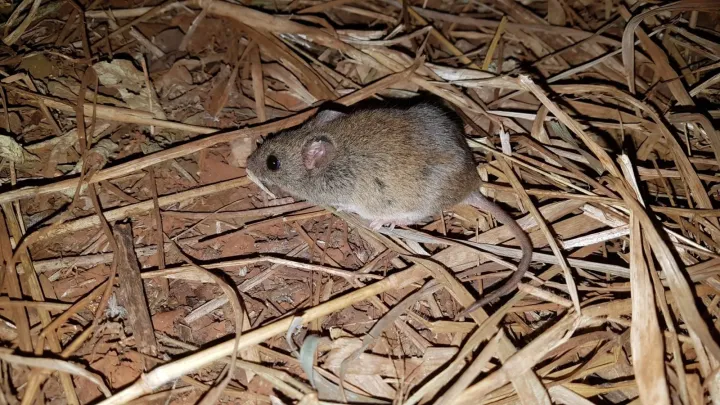
The genus Calomys, commonly referred to as vesper mice, belongs to the family Cricetidae within the order Rodentia. These are small mammals that look similar to common house mice but possess distinct dental and cranial characteristics specific to South American rodents.
They typically feature short tails and thick fur ranging from grey to brownish in color, which helps them blend into their natural grassland habitats. They are highly adaptable to various environments, including agricultural fields.
Vesper mice have a high reproductive rate. A single female can produce several litters per season, which allows the population to grow rapidly under favorable environmental and dietary conditions.
These rodents are predominantly nocturnal, which makes them difficult to observe during the day. Their behavior is characterized by high mobility within their range, especially when food resources are plentiful.
Beyond the agricultural damage they cause, certain species of Calomys are known to be natural reservoirs for specific viral diseases, requiring careful handling when managing infestations.
What it damages
Vesper mice cause significant damage to grain crops, including wheat, corn, sorghum, and barley. They feed on seeds in the soil and mature grains within the heads or cobs.
During the growing season, they actively chew on the stems of young plants, which can result in crop loss and uneven plant density across the field.
When they infiltrate storage facilities, they contaminate stored grain and animal feed with their waste, rendering large quantities of produce unfit for use or sale.
Vegetable crops are also at risk, as these rodents may gnaw on roots and harvestable parts that are close to the soil surface, causing quality degradation.
The feeding damage often creates openings for fungal infections, leading to rot and further reducing the market value and storability of the harvested crops.
When it appears
Peak activity occurs during the crop maturation phase when fields offer an abundant food supply, encouraging the rapid spread and establishment of new colonies.
As temperatures drop or food resources become scarce, vesper mice tend to migrate toward buildings, barns, and haystacks, seeking warmer shelters for the winter.
Breeding continues throughout the warm season, with population spikes often aligning with the flowering and grain-filling stages of crops.
Overwintering typically takes place in deep, frost-protected burrows or inside large hay/straw bales, where they can maintain a stable environment for survival.
Spring is a critical period for management, as it marks the beginning of the breeding season when populations start to establish new territories.
Signs of infestation
The primary indicator of a vesper mouse infestation is the presence of numerous small burrows in the soil, often located along field edges or near vegetation.
Damaged plants showing characteristic tooth marks at a 45-degree angle on stems, stalks, or grains are clear evidence of rodent feeding activity.
Finding droppings or noticing a distinct, musky odor in storage facilities or near food stockpiles confirms the presence of these pests.
Visible narrow paths, or "mouse runs," woven through the grass or crops indicate established routes between their burrows and food sources.
An increased number of predatory birds, such as owls or hawks, circling or perching near the field can be a sign that a high concentration of rodents is present.
Control measures
Deep tillage is the most effective mechanical method for destroying burrow systems and nests, which significantly disrupts the rodents' breeding cycle.
The use of second-generation anticoagulant rodenticides, placed directly inside burrows, is a highly effective way to manage population numbers while minimizing risks to other wildlife.
Prompt harvesting and ensuring minimal grain spillage during transportation and storage make fields less attractive to vesper mouse populations.
Maintaining clean field borders by removing weeds and debris reduces the availability of natural shelters, forcing the pests to relocate to less suitable areas.
Biological control methods, such as installing perches for predatory birds, help manage populations naturally by encouraging local predators to target the rodents.
Taxonomy
- Latin name
- Calomys
- Order
- Rodents
- Family
- Muridae
- EPPO code
- CLOMSP
Discussion
No discussions yet — be the first.