
Botrylloides
Botrylloides
Description
How to identify
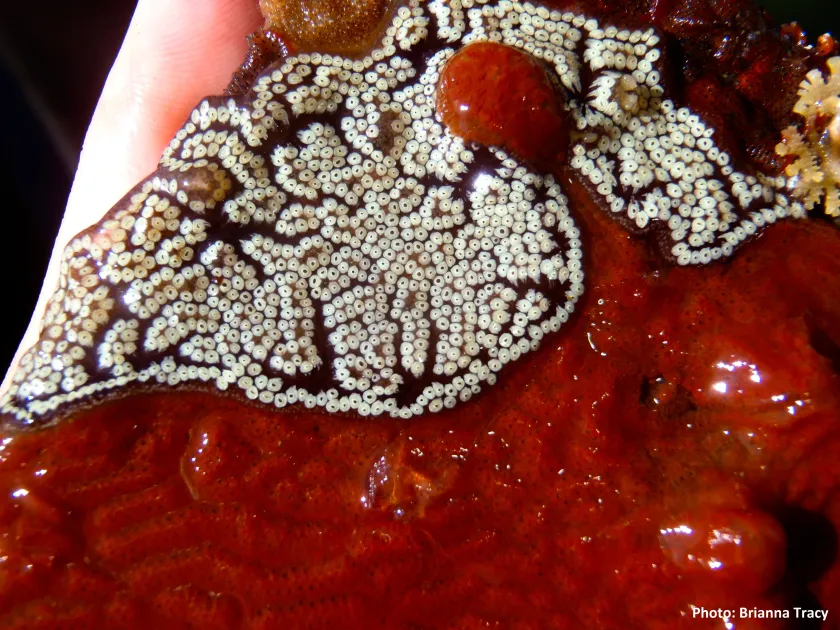
Botrylloides is a genus of colonial tunicates belonging to the family Styelidae within the order Stolidobranchia. These organisms typically appear as encrusting, gelatinous mats covering hard substrates.
The colonies display a variety of colors, ranging from vibrant orange and red to grey or brown, which often depends on environmental conditions and species-specific traits.
The structure consists of numerous small individual zooids embedded in a common tunic, often arranged in distinctive circular or branching systems across the colony's surface.
They possess exceptional regenerative capabilities, allowing them to recover rapidly from partial damage and continue their expansion across available surfaces.
Botrylloides species are highly adaptable, tolerating significant variations in water temperature and salinity, which contributes to their success as invasive marine pests.
What it damages
The primary economic impact of Botrylloides is observed in shellfish aquaculture, particularly in mussel and oyster farming operations where they act as aggressive space competitors.
By covering the shells of mussels and oysters, these tunicates impede the animals' ability to feed efficiently, leading to reduced growth rates and poor meat yield.
The accumulation of Botrylloides biomass significantly increases the weight of submerged culture gear, raising the risk of equipment failure and loss of stock.
Their presence on market-ready shellfish lowers the aesthetic quality of the product, necessitating additional cleaning and labor costs during the harvesting process.
Dense colonies also physically restrict water flow, which reduces the availability of oxygen and nutrients to the cultivated stock, potentially causing localized mortality.
When it appears
The active proliferation of Botrylloides typically occurs during the warmer months, as rising water temperatures trigger larval release and settlement.
The short-lived pelagic larvae seek out suitable hard substrates to settle upon, quickly undergoing metamorphosis to become sedentary colonial forms.
Growth rates are highest during the mid-summer peak, allowing colonies to expand rapidly and occupy extensive areas of submerged infrastructure within a short timeframe.
In temperate zones, colony expansion slows during the winter, although many colonies remain dormant or viable, allowing them to persist until the next favorable season.
Eutrophication or increased organic matter in coastal bays often accelerates the growth cycle, turning these organisms into dominant components of the biofouling community.
Signs of infestation
An early indicator of infestation is the appearance of distinct, gelatinous, rubbery patches with bright coloration on culture lines, ropes, or nets.
Close inspection reveals the characteristic network of zooids within the colony, which is not easily removed by simple washing with water.
A tactile check often confirms their presence, as colonies feel slick and resilient compared to the harder texture of other sessile marine organisms.
A noticeable decrease in the growth rate or condition index of shellfish in the vicinity serves as a biological indicator of significant tunicate competition.
The overgrowth of shell surfaces, turning them from natural tones to uniform bright colors, is a definitive sign of advanced colony development.
Control measures
Effective management of Botrylloides involves a combination of preventative techniques and scheduled maintenance of aquaculture gear to minimize fouling.
- Mechanical removal using high-pressure water spray systems during low-settlement periods.
- Application of specialized anti-fouling coatings that prevent larval attachment while being safe for the marine environment.
- Regular air-drying of culture lines, as prolonged exposure to air is fatal to these marine tunicates.
- Strategic site selection to avoid areas with high organic loading that promotes rapid tunicate growth.
- Implementation of a monitoring program using settlement plates to forecast peak larval density and optimize cleaning schedules.
Taxonomy
- Latin name
- Botrylloides
- Family
- Botryllidae
- EPPO code
- BTLLSP
Discussion
No discussions yet — be the first.