
Boettgerilla
Boettgerilla
Description
How to identify
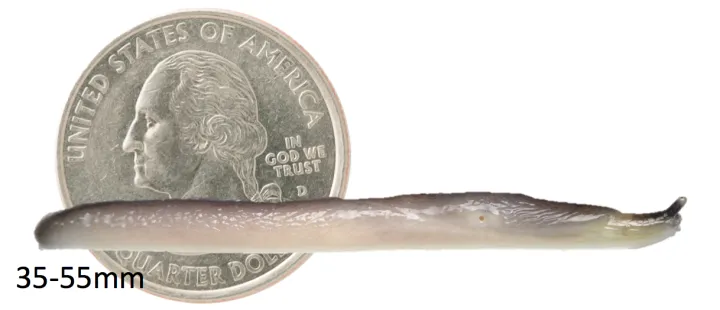
Boettgerilla (Boettgerilla pallens) is a small, subterranean slug characterized by a slender, worm-like body that measures approximately 30–50 mm when at rest.
The skin coloration ranges from light grey to yellowish-white, while the head and tentacles typically exhibit a much darker, brownish-grey tone.
A distinctive anatomical feature of this species is a sharp, prominent keel that runs along the dorsal side of the body, giving it a tapered appearance.
When contracted, the slug assumes a cylindrical shape, allowing it to navigate through narrow soil crevices and animal burrows with great ease.
Unlike many other slug species, Boettgerilla spends most of its life cycle deep underground and is rarely observed on the soil surface during daylight.
What it damages
The primary economic damage caused by Boettgerilla involves the consumption of root systems, tubers, and the underground stems of various crops.
Vegetable crops such as potatoes, carrots, and beets are particularly vulnerable to deep excavations made by these mollusks within the roots.
In greenhouses and nurseries, they pose a severe threat to seedlings by feeding on the root collar, often leading to total plant loss.
The feeding holes created by these slugs serve as entry points for secondary pathogens, including bacteria and fungi, causing rapid root rot.
Due to their subterranean lifestyle, plants often show signs of distress only when the root system has already been severely compromised.
When it appears
The activity level of Boettgerilla is highly dependent on soil moisture, making wet spring and autumn periods the most critical times for damage.
In indoor agricultural settings where soil humidity is kept consistently high, these slugs remain active and destructive throughout the entire year.
Populations tend to peak following periods of heavy rainfall, which forces the slugs to move toward the upper soil layers to avoid waterlogging.
Egg-laying typically occurs in hidden soil cavities, protecting the developing offspring from environmental extremes and surface predators.
During hot, dry summers or freezing winters, the slugs retreat to deeper soil strata to enter a state of dormancy until conditions improve.
Signs of infestation
The most common indicator of a Boettgerilla infestation is the sudden wilting of healthy-looking plants despite adequate moisture levels.
Excavating the root zone often reveals narrow, clean-cut, deep holes in tubers or taproots, which are characteristic of this specific slug's feeding behavior.
The presence of dried, silvery mucus trails on the soil surface after rain can signify the routes taken by slugs moving between feeding sites.
In greenhouse monitoring, soil sampling or the placement of bait traps can confirm the presence of Boettgerilla in the root zone.
Stunted growth, yellowing foliage, and weak stems in young vegetable beds are strong diagnostic indicators that subterranean feeding is occurring.
Control measures
Effective management begins with sanitation: removing weeds, debris, and plant waste eliminates the shelter and food sources these slugs rely on.
The application of metaldehyde-based baits is a widely used control method in infested areas, particularly during high-moisture periods.
Autumn plowing or deep cultivation is highly effective as it physically destroys the slugs' subterranean chambers and exposes their eggs to desiccation.
- Encouraging natural predators such as ground beetles, hedgehogs, and toads helps maintain a balanced ecosystem that suppresses slug numbers.
- Spreading abrasive barriers like crushed eggshells or wood ash around vulnerable seedlings can physically deter surface movement.
- Using beer or fermented juice traps buried in the soil can successfully monitor and reduce local slug populations.
Integrated pest management strategies should prioritize monitoring soil moisture and using targeted molluscicides only when economic thresholds are reached.
Taxonomy
- Latin name
- Boettgerilla
- Order
- Molluscs
- Family
- Boettgerillidae
- EPPO code
- BOEGSP
Discussion
No discussions yet — be the first.