
Fern sawfly
Blasticotoma filiceti
Description
How to identify
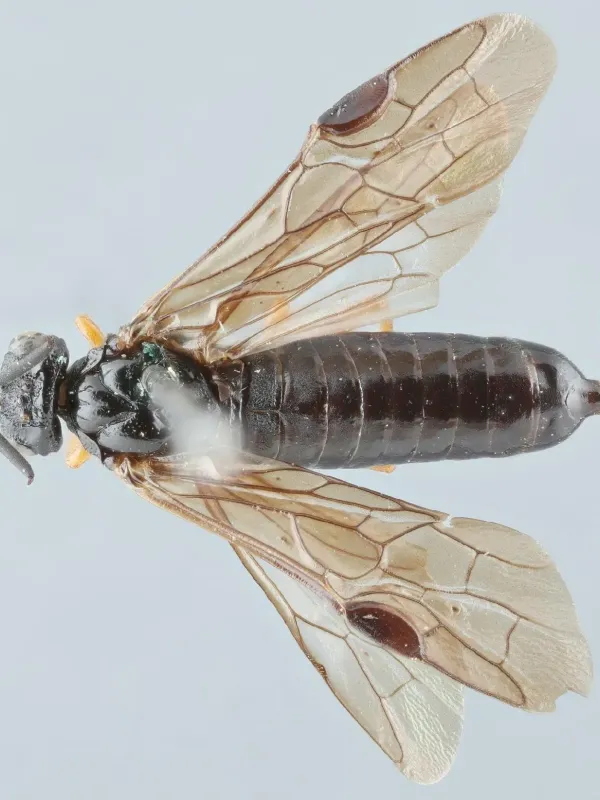
The fern sawfly (Blasticotoma filiceti) is a specialized insect belonging to the family Blasticotomidae. It is a relatively obscure pest known for its unique lifestyle associated with various fern species found in temperate regions.
Adult sawflies are small, but the damage is primarily caused by their larvae, which are specialized endophytes. They live inside the stems and petioles of the host plant, remaining hidden from predators and gardeners for most of their development.
A distinctive biological trait of this species is the production of a white, frothy substance by the larvae. This foam accumulates around the insect on the fern stem, creating a protective barrier against environmental stress and external threats.
The life cycle is synchronized with the growing season of ferns. After completing their larval development, they typically exit the stem to pupate in the soil or within the leaf litter beneath the host plant.
Because they spend most of their life hidden inside the plant tissue, they are often overlooked until the plant begins to show clear signs of decline or when the characteristic foam becomes visible on the stems.
What it damages
The fern sawfly targets specific genera of ferns, such as Athyrium and Dryopteris. The larvae bore into the petioles, essentially mining the interior of the stems to feed on the plant tissue.
This internal feeding disrupts the vascular system, preventing the proper transport of water and nutrients to the fronds. As a result, the leaves begin to wilt, lose their color, and eventually turn yellow or brown.
Structural damage to the stem is common, making the fronds susceptible to snapping or bending under mild wind or rain. This mechanical weakness significantly detracts from the aesthetic appeal of the fern.
In addition to direct feeding damage, the tunnels created by the larvae serve as entry points for secondary pathogens. Rotting often occurs inside the stems, which can weaken the entire crown of the fern over time.
Severe infestations can lead to premature leaf drop and a reduction in the plant's photosynthetic capacity, ultimately hindering the fern’s ability to store energy for the subsequent growing season.
Signs of infestation
The most reliable indicator of a fern sawfly infestation is the presence of white, frothy foam on the stems or petioles of the fern. This froth is unmistakable once identified and usually points to the exact location of the larva.
Upon closer inspection, a small hole can often be found near the foam, which is the entrance to the gallery bored by the larva. Removing the froth and the surrounding tissue reveals the larva inside.
The host plant typically displays symptoms of stress, including loss of turgor in the fronds. Affected leaves often look sickly and may begin to wither from the base upwards toward the leaf blade.
- White frothy exudates on fern stems.
- Wilting and yellowing of the fronds.
- Entrance holes in the petioles.
- Structural collapse of individual fern stems.
Gardeners should monitor their fern patches during the active growth period, particularly checking the base of the petioles for the presence of the telltale white foam.
Control measures
The primary and most effective method for controlling Blasticotoma filiceti is sanitary pruning. As soon as the foam is detected, the infested fronds should be cut off and destroyed by burning or disposal.
Regular inspection is essential, as early intervention prevents the larvae from completing their life cycle and returning to the soil to pupate. By removing them early, the overall population pressure in the garden is kept low.
Chemical control is rarely necessary but can be considered for severe infestations. Systemic insecticides are the only viable option, as contact sprays will not reach the larvae protected within the stem tunnels.
Good garden hygiene, such as clearing away dead leaves and plant debris in late autumn, helps destroy overwintering sites. This simple practice significantly reduces the risk of re-infestation the following spring.
Maintaining healthy, vigorous ferns through proper watering and soil nutrition helps them withstand minor pest pressure. A strong, healthy plant is generally more resilient to the damage caused by sawfly larvae.
Taxonomy
- Latin name
- Blasticotoma filiceti
- Order
- Hymenoptera
- Family
- Blasticotomidae
- EPPO code
- BLACFI
Discussion
No discussions yet — be the first.