
Blanus
Blanus
Description
How to identify
The genus Blanus belongs to the family Blanidae within the order Squamata. While taxonomically classified as legless lizards, they are often encountered in agricultural environments where their subterranean habits lead to confusion with invertebrate pests.
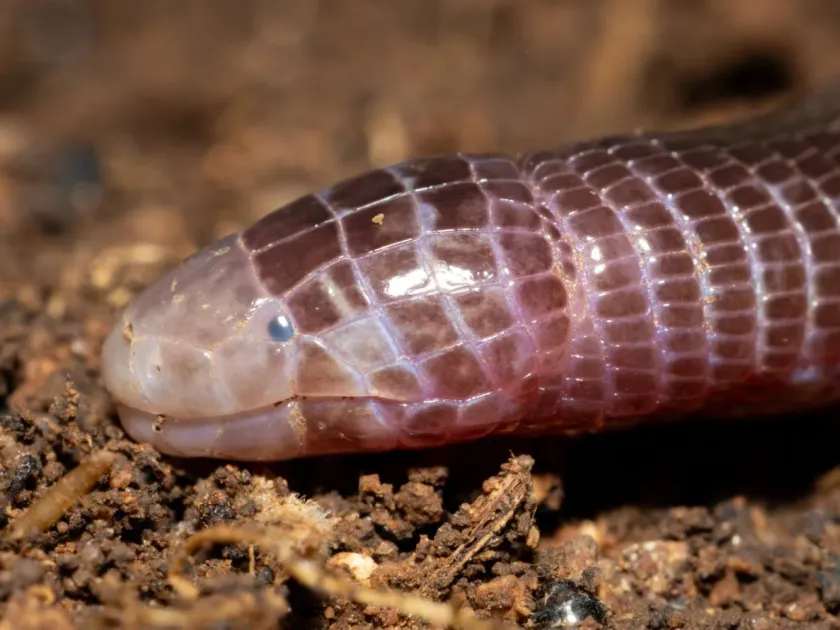
Visually, they resemble large earthworms or insect larvae due to their elongated, cylindrical bodies and the absence of visible limbs, which are evolutionary adaptations for digging.
The skin is covered in fine scales, a feature that distinguishes them from invertebrates and confirms their biological classification as reptiles upon closer inspection.
The color typically ranges from pale pink to brownish tones, providing effective camouflage within the soil matrix, making them difficult to spot during routine inspections.
The head is flattened and specialized for burrowing, allowing these organisms to navigate through dense soil layers with minimal resistance to search for food or moisture.
What it damages
Although Blanus species are primarily insectivorous, their burrowing activity can indirectly impact the health of young agricultural crops.
By creating intricate tunnel networks within the root zone, they can cause the soil to dry out excessively, negatively affecting the root development of seedlings.
The formation of voids around the root ball caused by their tunneling can expose roots to the air, leading to dehydration and increased vulnerability to environmental stress.
While direct consumption of plant tissues is not their primary behavior, their physical activity can damage delicate root hairs, potentially weakening the plant's nutrient uptake.
Damage is most prevalent in loose, organic-rich soils where these lizards find optimal conditions for their activity and hunt for soil-dwelling prey.
When it appears
The activity patterns of Blanus are highly dependent on soil moisture levels and ambient temperature, showing peaks during spring and autumn months.
During the peak of summer, when surface soil moisture levels drop, these organisms migrate to deeper, cooler soil horizons to survive the heat.
Winter activity is minimal, as they enter a state of reduced metabolism, often staying well below the frost line to avoid extreme temperatures.
The onset of the growing season, coupled with adequate rainfall, encourages them to return to the upper soil layers to forage for soil insects and larvae.
Understanding these seasonal migrations is crucial for determining the times when their presence might coincide with the critical growth stages of crops.
Signs of infestation
A primary indicator of their presence is the observation of narrow, cylindrical tunnels or burrows, approximately 5-10 mm in diameter, found within the soil.
Sudden, localized wilting of plants despite sufficient irrigation may indicate that root zone stability has been compromised by underground tunneling.
The discovery of shed skins (molt remnants) within the soil profile provides clear evidence of their activity and presence in the garden or field.
Finding air pockets under the root ball when removing plants or during soil cultivation is a strong sign of long-term burrowing activity in the area.
- cylindrical tunnels in the soil profile;
- remnants of shed skin found in soil samples;
- unexplained plant dehydration or root exposure.
Control measures
Managing the presence of Blanus does not require the use of chemical pesticides, as they are not major agricultural pests and pose little threat to mature crops.
Consistent soil cultivation and deep tilling are highly effective methods to disrupt their tunnel systems and make the area less hospitable for them.
Maintaining proper soil moisture levels through regulated irrigation helps to prevent the formation of large air gaps that these lizards favor for movement.
Reducing the accumulation of surface organic debris can lower the population of insects they prey upon, naturally limiting their interest in the area.
Employing cultural control measures, such as compacting the soil surface slightly after planting, can restrict their movement and protect the root zone of young crops.
Taxonomy
- Latin name
- Blanus
- Family
- Amphisbaenidae
- EPPO code
- BLNUSP
Discussion
No discussions yet — be the first.