
Bithynia
Bithynia
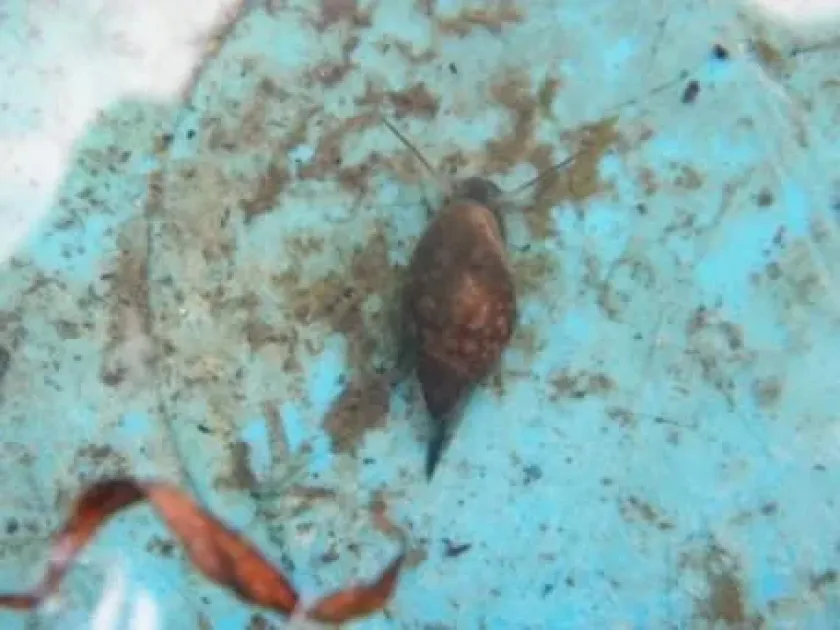
Description
How to identify
Bithynia is a genus of small freshwater snails belonging to the family Bithyniidae. These snails are characterized by a conical, usually dextral shell with 4–5 whorls and a distinct, thick operculum that allows the snail to seal itself inside during harsh conditions.
The body of the snail is grayish-brown, featuring a pair of long, slender tentacles with eyes located at their base. Adult individuals typically reach a size of 10–12 millimeters in height and 6–8 millimeters in width.
Reproduction involves laying eggs on submerged plants, stones, or submerged debris. The eggs are enclosed in protective mucous masses that safeguard the offspring in the aquatic environment until they hatch into young snails.
Bithynia snails are gonochoristic, meaning they have separate sexes, which differentiates them from many other aquatic gastropods. They reach sexual maturity in their second year, after which females engage in active egg-laying throughout the warmer months.
These snails favor stagnant or slow-moving water bodies with muddy or sandy bottoms. While they play a vital role in aquatic ecosystems, their rapid proliferation can lead to significant issues in agricultural areas located near water sources.
What it damages
Although Bithynia snails are not typical pests of terrestrial field crops, they cause significant damage in rice paddies and flooded fields. The snails feed on young rice seedlings, grazing on tender leaf tissue, which leads to reduced plant density and poor crop establishment.
The primary economic impact involves damage to the root systems and emerging shoots of crops grown in hydroponic or flooded soil conditions. This grazing activity stunts plant growth and significantly lowers overall harvest yields.
Bithynia also acts as an intermediate host for various parasitic trematodes that cause diseases like fascioliasis in livestock. The presence of these snails in drinking water sources for cattle poses a serious threat to animal health and productivity.
In irrigation systems, Bithynia presence can lead to the clogging of hydraulic infrastructure. Their slime and waste products can alter the microbial balance of irrigation water, potentially affecting crop water quality.
In fish farming ponds, these snails compete with juvenile fish for food resources by consuming organic matter and microalgae, which slows the growth rate of the fish stock and reduces overall farm efficiency.
When it appears
The activity of Bithynia is strictly temperature-dependent. As spring temperatures rise and water exceeds 10–12 degrees Celsius, the snails emerge from their dormant state to begin active feeding and reproduction cycles.
Population density typically peaks during the summer months when water temperatures reach the optimum range for breeding. This period coincides with the active growth phase of rice crops, making them particularly vulnerable to infestation.
In the autumn, as water temperatures drop, Bithynia move to deeper sections of water bodies to burrow into the sediment for hibernation. During this time, their biological activity and potential for damage decrease significantly.
The spring season is considered the most critical for crop protection, as young seedlings are extremely sensitive to mollusc grazing. Early identification of infestation clusters is essential to mitigate long-term damage.
The biological cycle of Bithynia is tied to the hydrological regime. During periods of drought or pond drainage, these snails can bury themselves deep into the silt, surviving temporary dry conditions, which complicates eradication efforts.
Control measures
Draining rice paddies and irrigation systems during the off-season is a highly effective control measure. Complete drying of the bed causes the mortality of a significant portion of the snail population.
Molluscicides can be utilized, though caution must be exercised to avoid damaging aquatic biodiversity or contaminating discharge water used for irrigation in other areas of the farm.
Regular maintenance of irrigation channels, including the removal of silt and aquatic vegetation, denies the snails the habitat and food sources required for laying eggs, effectively reducing their numbers.
Biological control strategies involve the introduction or protection of natural predators, such as specific fish species and waterfowl, which actively hunt Bithynia in open water environments.
Installing mechanical filtration screens at the inlets of irrigation systems effectively blocks the migration of Bithynia from natural water bodies into agricultural land, preventing the initial colonization of crop areas.
Taxonomy
- Latin name
- Bithynia
- Order
- Molluscs
- Family
- Bithyniidae
- EPPO code
- BITHSP
Discussion
No discussions yet — be the first.