
Bandicota
Bandicota
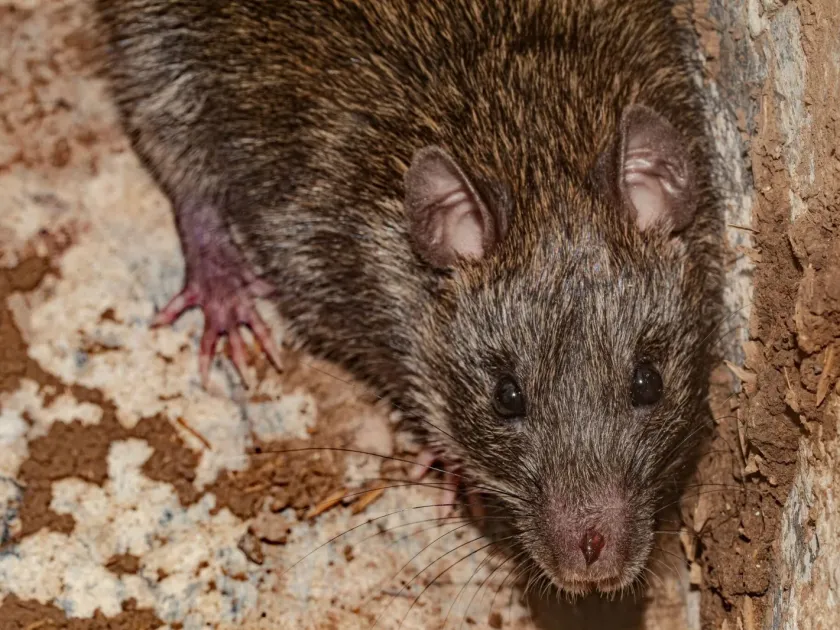
Description
How to identify
Bandicota is a genus of large rodents in the Muridae family, often referred to as bandicoot rats. The most significant agricultural pests within this genus include Bandicota bengalensis and Bandicota indica, which are highly adaptable to human-altered environments.
These rodents are characterized by their sturdy build, coarse dark-brown or grey fur, and a tail that is generally shorter than the combined length of their head and body.
Bandicoots are nocturnal, highly territorial, and aggressive. They are master excavators, constructing extensive burrow systems with multiple chambers for nesting and food storage.
The biology of these rodents is defined by a rapid reproductive rate, allowing populations to rebound quickly even after significant suppression efforts.
Unlike many other rat species, bandicoot rats are known for their hoarding behavior, storing significant quantities of grain within their burrow complexes.
What it damages
The primary hosts for Bandicota are cereal crops, with rice being the most severely affected. They inflict damage from the sowing stage through to harvest, leading to substantial yield losses.
Beyond rice, these pests also feed on wheat, maize, millet, and various root vegetables, including potatoes, often destroying the entire root system of the crop.
Damage is not limited to consumption; bandicoots often cut down the stems of plants to reach the grain, which leads to lodging and renders the field unsuitable for mechanical harvesting.
In sugarcane plantations, they gnaw at the base of the stalks, causing the plants to wither and die, which results in significant economic losses for farmers.
Furthermore, their presence causes widespread contamination of stored and standing crops with urine and feces, making the harvest unsuitable for market consumption.
When it appears
Bandicoot activity peaks during the vegetative and reproductive stages of major cereal crops, particularly when the grain starts to fill and reach maturity.
While reproduction can occur year-round given sufficient food, population explosions are most frequently observed during harvest seasons when food availability is at its peak.
During dry spells, these rodents congregate in irrigated areas, shifting their pressure onto crops that remain green despite the lack of surrounding vegetation.
As colder temperatures set in, bandicoot populations migrate toward human-made structures, including barns and warehouses, to seek shelter and forage on stored goods.
The population dynamics are often tied to agricultural practices, where poor field management and leftover crop residues create ideal conditions for rapid breeding cycles.
Signs of infestation
The most prominent sign of a bandicoot infestation is the presence of large piles of excavated soil outside burrow entrances, which are distinctively wide.
Well-defined, worn-down runways through the vegetation, connecting the burrow entrance to the feeding sites, are clear indicators of their active presence.
Freshly cut stems and crop debris left in neat piles near burrow openings are characteristic of bandicoot feeding habits.
Visible damage to the base of root crops, along with characteristic gnawing marks, suggests the rodents are feeding on subterranean parts of the plants.
The presence of large, distinct droppings in and around storage facilities or field margins confirms the presence of these large rodents.
Control measures
Effective management of Bandicota requires an integrated approach that combines chemical, mechanical, and cultural control strategies to keep populations below economic thresholds.
The use of acute rodenticides or anticoagulants in bait stations remains the primary method for controlling large infestations in field settings.
Cultural methods, such as deep tillage, help destroy burrow systems, making the habitat unsuitable and exposing the rodents to natural predators.
Sanitation practices, including the removal of weeds and debris from field margins, effectively limit the availability of cover and nesting sites for the rodents.
- Installing wire mesh fences to physically exclude rodents from high-value plots.
- Promoting natural biological control by conserving populations of predatory birds and snakes.
- Employing traps in areas of high activity for targeted population suppression.
- Monitoring fields regularly to identify new burrowing activity early.
- Securing harvest storage areas with rodent-proof construction to prevent post-harvest damage.
Taxonomy
- Latin name
- Bandicota
- Order
- Rodents
- Family
- Muridae
- EPPO code
- BANDSP
Discussion
No discussions yet — be the first.