
Triggerfish
Balistes
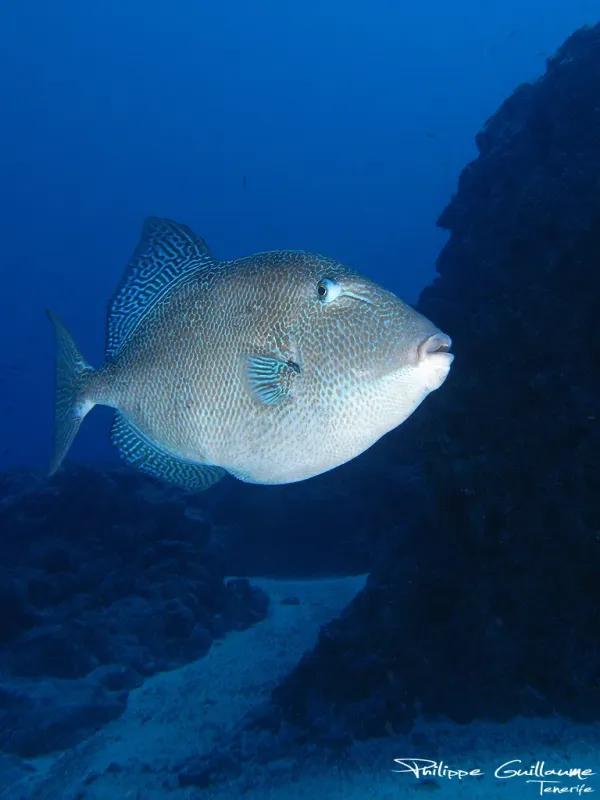
Description
How to identify
The Triggerfish (genus Balistes) belongs to the family Balistidae, which is part of the order Tetraodontiformes. These marine fish are known for their compressed bodies and a specialized dorsal fin spine that can be locked into position.
Their skin is covered in heavy, plate-like scales, providing a protective armor that makes them resilient to external threats in their marine environment.
From an agronomic and aquaculture perspective, the Triggerfish is recognized for its significant influence on local marine ecosystems where farming activities take place.
These fish possess exceptionally powerful jaws and teeth, which are biologically adapted to crush the hard shells of various marine invertebrates they encounter.
Systematically, Balistes are highly developed fish species that exhibit complex behavioral patterns, including territory protection and aggressive foraging strategies.
What it damages
Triggerfish act as significant pests in marine aquaculture, particularly affecting farms that cultivate bivalve mollusks such as mussels and oysters.
The primary damage occurs when these fish use their strong teeth to crush the protective shells of cultivated mollusks, consuming the flesh inside and causing total loss of individual units.
Beyond the loss of stock, Triggerfish often cause structural damage by gnawing on submerged farming nets, ropes, and anchoring systems, leading to further economic overhead.
The presence of Balistes in an aquaculture site can lead to reduced profitability due to consistent stock depletion and the high cost of repairing underwater infrastructure.
In regions with high populations of these fish, their constant foraging behavior forces farmers to implement costly security measures to prevent stock destruction.
Control measures
Effective control of Triggerfish in aquaculture involves a combination of physical exclusion techniques and site management strategies to minimize losses.
The use of reinforced, high-strength netting is the standard industry practice to ensure that fish cannot penetrate the containment units where shellfish are grown.
Acoustic deterrents can be deployed to create an environment that is unattractive to Triggerfish, encouraging them to migrate away from the sensitive farming area.
Careful selection of farm locations is crucial, as avoiding habitats known to support large populations of Balistes reduces the risk of frequent attacks.
Regular maintenance and systematic inspections of submerged structures are necessary to ensure the integrity of the defenses and quickly repair any damage caused by predatory fish.
Taxonomy
- Latin name
- Balistes
- Family
- Balistidae
- EPPO code
- BLSTSP
Discussion
No discussions yet — be the first.