
Bactra
Bactra
Description
How to identify
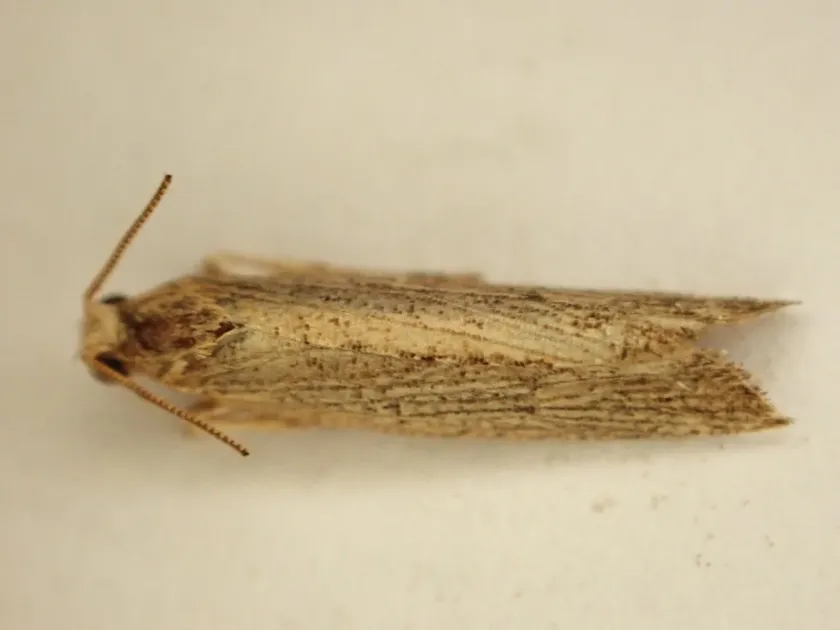
The genus Bactra belongs to the family Tortricidae. These are small moths, typically measuring 12–18 mm in wingspan. Their coloration is cryptic, usually displaying shades of brown, grey, or tan with dark streaks or spots on the forewings, which camouflages them well in their natural habitat.
The larvae, or caterpillars, have a cylindrical body that is generally creamy-white, pale yellow, or light green. They possess a well-defined, often darker head capsule, which is an adaptation for their borring lifestyle within plant tissues.
Adult moths are primarily nocturnal. Due to their secretive behavior and camouflage, they are rarely seen during the day, often resting within dense foliage or debris. Monitoring their population usually requires pheromone traps or light traps.
The taxonomy of Bactra can be complex, as many species within the genus are morphologically very similar. Precise identification often requires dissection and examination of the genitalia under a microscope by an entomologist.
Environmental conditions such as temperature and humidity play a significant role in the development rate of these moths, allowing them to complete multiple generations within a single growing season under optimal conditions.
What it damages
Bactra species are specialized pests that primarily target plants within the Cyperaceae (sedge) and Poaceae (grass) families. They are known to infest various wetland plants, ornamental grasses, and occasionally cereal crops.
The larvae are internal feeders. They bore into the stems, leaf bases, or rhizomes of the host plant. This feeding activity disrupts the plant's vascular system, leading to wilting, stunting, or the death of the infested shoot.
Damage to young plants is often severe, as the larvae can destroy the apical meristem, preventing further vertical growth. This results in significant loss of biomass and can be detrimental to nursery operations or ecological restoration projects.
Feeding wounds created by the larvae serve as entry points for secondary pathogens, including fungi and bacteria. This can lead to stem rot, further exacerbating the damage beyond the initial tissue destruction caused by the moth larvae.
The economic impact is most significant in dense plantings where the pest can easily spread between hosts, creating localized outbreaks that reduce the overall quality and commercial value of the crop.
When it appears
The seasonal activity of Bactra is closely tied to the growth stages of their host plants. In temperate climates, they typically overwinter as larvae tucked away in plant debris, rhizomes, or the upper layers of soil.
Emergence of the first generation of adults occurs in late spring as temperatures rise. These moths lay eggs on the leaves or stems of host plants, and the newly hatched larvae immediately seek to bore into the plant material.
Mid-summer represents the peak period for larval activity. The warmth accelerates the life cycle, often leading to overlapping generations, which makes it challenging to pinpoint a single time window for effective treatment.
As autumn approaches, the population begins to prepare for dormancy. Late-season larvae settle into protected overwintering sites, remaining inactive until the following spring, when the cycle begins anew.
Monitoring for the presence of adults and early larval stages is essential during the early summer months to prevent the establishment of high-density populations that can inflict widespread damage.
Signs of infestation
The earliest sign of Bactra infestation is the yellowing or wilting of the central leaf or shoot tips. This often indicates that a larva is feeding internally, cutting off the supply of water and nutrients to the upper part of the plant.
- Fine silk webbing on leaves or at the base of the plant used by larvae to protect their feeding sites.
- Presence of frass (larval excrement) near entry holes on the stems.
- Stunted growth or unusual twisting of the plant foliage.
- Small, neat entry holes in the stem, often hidden by leaves or debris.
- The presence of 'dead hearts' in grasses, where the central shoot dies back while outer leaves remain green.
Growers should inspect plants showing symptoms of distress, particularly in areas where sedges or grasses are densely planted, as these areas are more prone to rapid spread.
Because these symptoms can mimic fungal infections or nutrient deficiencies, cutting open a symptomatic stem is the best way to confirm the presence of a larva and verify the identity of the pest.
Control measures
Effective management of Bactra relies on an Integrated Pest Management (IPM) approach. The most critical cultural control measure is the removal and destruction of crop residues after the season to eliminate overwintering sites.
Biological control agents, particularly microbial insecticides based on Bacillus thuringiensis, are highly effective against young larvae. These are environmentally friendly and target the pest without harming beneficial insects.
Chemical control should be implemented judiciously, ideally timed based on adult flight data from pheromone traps. Targeting the egg-laying phase and early larval instar is more effective than trying to reach larvae once they are deeply embedded in stems.
Maintaining healthy plant growth through proper fertilization and irrigation helps plants tolerate minor infestations and makes them less attractive to ovipositing moths, who often prefer stressed or weakened specimens.
Regular monitoring and physical removal of infested shoots in small-scale plantings can also help keep the population below the economic threshold, preventing the need for more intensive intervention.
Taxonomy
- Latin name
- Bactra
- Order
- Lepidoptera (butterflies)
- Family
- Tortricidae
- EPPO code
- BACTSP
Discussion
No discussions yet — be the first.