
Athoracophorus bitentaculatus
Athoracophorus bitentaculatus
Description
How to identify
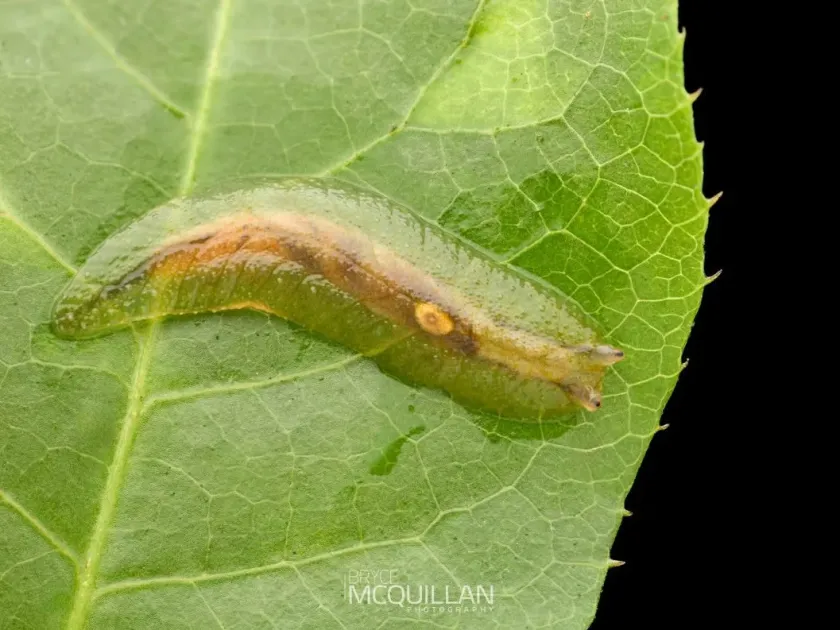
Athoracophorus bitentaculatus is a species of air-breathing land slug belonging to the family Athoracophoridae. This unique slug is easily distinguished by its two tentacles and a characteristic vein-like pattern on its mantle.
The body surface is covered in deep grooves, which help the slug conserve moisture in its preferred habitats. Its coloration, typically ranging from grey to brown, provides excellent camouflage against soil and decaying vegetation.
The biology of this species is strictly tied to high humidity levels. Unlike many other slugs, they are often found in lush, shaded environments where evaporation is minimal, allowing them to remain active for longer periods.
Their life cycle involves laying eggs in moist, organic-rich substrates. The development rate of the offspring is heavily influenced by ambient temperature and the availability of food sources within their microhabitat.
While often considered a rare biological specimen, it can act as a significant pest in agricultural settings, particularly in nurseries where a moist and protected environment provides ideal conditions for their proliferation.
##damage##This pest targets a wide variety of horticultural and ornamental plants, including leafy vegetables and seedlings. Young, tender growth is particularly vulnerable to their feeding habits.
Slugs feed on the epidermis of leaves, often leaving behind irregular holes or consuming the tissue entirely. A large infestation can significantly reduce plant density and growth rates in a matter of days.
Beyond direct consumption, the slugs leave behind copious amounts of slime. This residue not only inhibits photosynthesis but also promotes the growth of secondary bacterial and fungal pathogens on the plant surface.
In greenhouses and nurseries, the damage is particularly severe. The stable, humid environment of indoor facilities allows the population to expand rapidly, causing ongoing harm to production.
Severe feeding on the stems of young seedlings near the soil line can result in wilting and total loss of the crop, especially in conditions where the plant is already under stress.
Signs of infestation
The primary indicator of a slug infestation is the presence of dried, silvery mucus trails found on leaves, stems, and the surrounding soil surface. These trails are most visible during morning hours.
Ragged, irregular holes in leaves are a classic sign of slug activity. Unlike insect pests that may leave clean-cut edges, slug damage often looks torn or ragged due to their rasping feeding mechanism.
During the day, evidence of their presence can be found by inspecting underneath mulch, debris, stones, or thick foliage, where the slugs hide to escape the desiccating heat of the sun.
Sudden wilting of young seedlings without visible soil-borne root pathogens often indicates that the base of the stem has been damaged or girdled by slugs during nocturnal feeding.
Small, dark, granular feces deposited on leaves or soil serve as a definitive sign of active feeding populations within the immediate vicinity of the plants.
Control measures
Sanitation is the first line of defense; removing debris, weeds, and decaying organic matter eliminates the primary hiding spots that slugs require to survive the daylight hours.
Physical barriers, such as copper tape, sharp gravel, or abrasive substances around the base of beds, can effectively deter slugs from reaching vulnerable crops.
The application of molluscicides, specifically those containing iron phosphate, provides a targeted and relatively environmentally safe way to manage slug populations without harming beneficial wildlife.
Strategic irrigation practices, such as watering early in the day, allow the surface soil to dry out by evening. This creates a hostile environment for slugs, limiting their movement and nocturnal activity.
Encouraging natural predators, including hedgehogs, frogs, and ground beetles, helps to maintain a biological balance, which can suppress slug populations before they reach damaging levels.
Taxonomy
- Latin name
- Athoracophorus bitentaculatus
- Order
- Molluscs
- Family
- Athoracophoridae
- EPPO code
- ATHCBI
Discussion
No discussions yet — be the first.