
Athoracophoridae
Athoracophorus
Description
How to identify
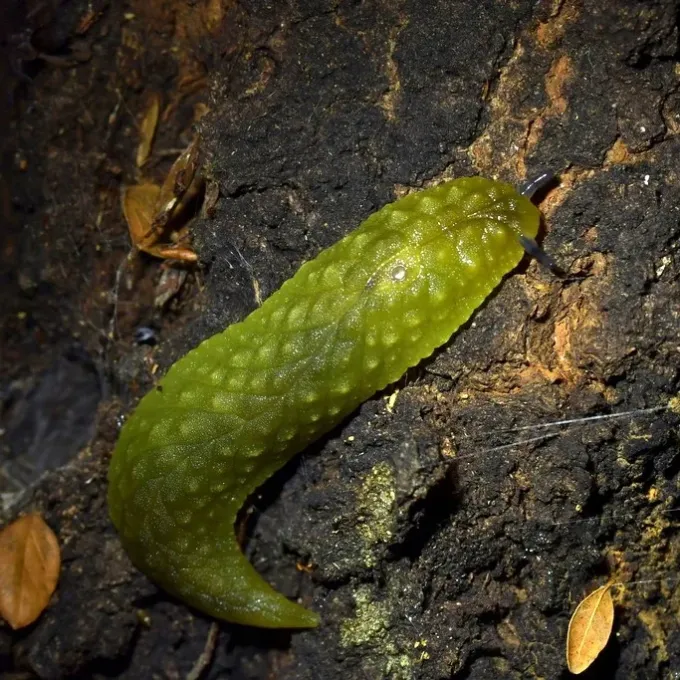
Athoracophoridae, commonly known as leaf-veined slugs, are a unique family of land pulmonate gastropod molluscs. Their defining characteristic is the intricate pattern of grooves on their dorsal surface, which resembles the veins of a leaf, lacking the typical mantle found in other slugs.
These molluscs have a specialized respiratory system where the lung opens on the posterior part of the body. Their body is highly flexible, allowing them to retreat into small crevices during unfavorable weather conditions.
Because they are nocturnal and moisture-dependent, Athoracophoridae are rarely seen during the day. They prefer humid habitats with plenty of organic matter, making home gardens and greenhouses their ideal feeding grounds.
Identification is mainly based on their distinct dorsal morphology. Unlike regular slugs, their body structure is specifically adapted to hold moisture effectively, which helps them survive even in slightly drier environments.
Understanding their life cycle and habitat preferences is essential for proper identification. Field experts note that they are often overlooked due to their camouflaged appearance and ability to blend in with moist soil or decomposing leaves.
What it damages
Athoracophoridae are polyphagous pests that cause significant damage to a wide range of horticultural crops. They are particularly destructive to young seedlings, leafy vegetables like lettuce and cabbage, and delicate berries.
The damage starts as irregular, jagged holes in leaves, often leading to the complete skeletonization of plant tissues. This weakens the plant, stunts its growth, and makes it susceptible to opportunistic fungal infections.
Root vegetables are also highly vulnerable. These slugs burrow into the roots, creating tunnels that destroy the structure of the vegetable and facilitate the spread of bacterial soft rot during storage.
The severity of the damage is often proportional to the humidity levels of the season. In wet climates or high-moisture agricultural systems, these slugs can cause total crop loss if left uncontrolled.
Beyond the physical consumption of crops, the trails of mucus they leave behind act as vectors for pathogens. This indirect damage often leads to secondary infections that ruin the entire harvest quality.
Control measures
Effective management of Athoracophoridae involves cultural practices aimed at reducing humidity and removing hiding spots. Keeping the garden clear of debris, weeds, and heavy mulch significantly disrupts their habitat.
Physical barriers such as coarse sand, wood ash, or crushed eggshells can be used to surround high-value plots. These materials create a difficult environment for the molluscs to cross, protecting young plants effectively.
In cases of high infestation, commercial molluscicides containing iron phosphate are recommended. This active ingredient is effective against slugs while being much safer for pets and wild birds compared to traditional metaldehyde baits.
Promoting a healthy ecosystem by encouraging predators like hedgehogs, ground beetles, and toads helps maintain natural balance. These animals are highly efficient at consuming large numbers of slugs throughout the season.
Strategic irrigation is another vital control tool. By watering plants in the early morning instead of the evening, the soil surface dries out during the day, making it harder for the nocturnal slugs to survive and feed.
Taxonomy
- Latin name
- Athoracophorus
- Order
- Molluscs
- Family
- Athoracophoridae
- EPPO code
- ATHCSP
Discussion
No discussions yet — be the first.