
Athesapeuta
Athesapeuta
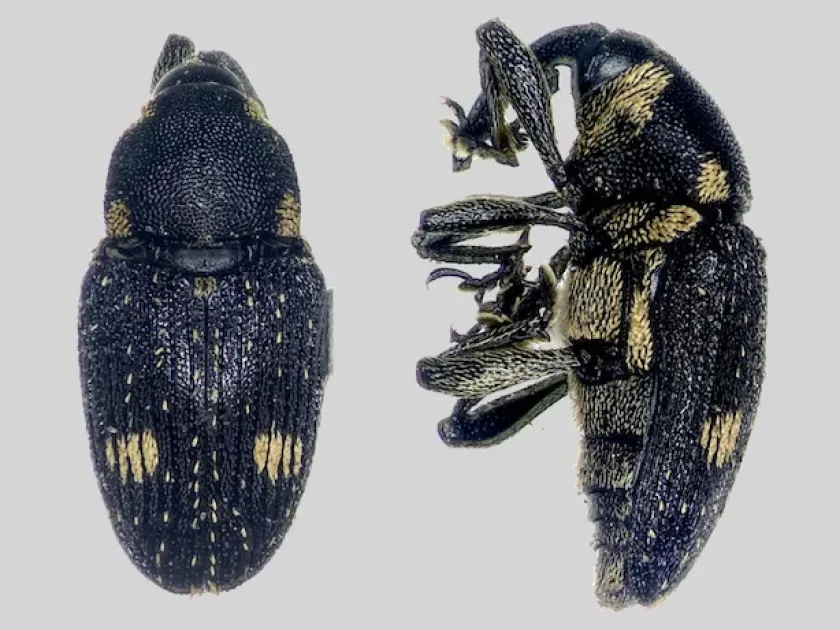
Description
How to identify
Athesapeuta is a genus of beetles belonging to the Curculionidae family, commonly known as true weevils, within the order Coleoptera. These insects possess a characteristic elongated snout, typical of their family, and are relatively small, which often makes them difficult to detect during the early stages of infestation.
Adult beetles typically feature a dense body, often dark or brown in color, which helps them camouflage against soil and plant debris. The larvae develop endophytically, meaning they feed inside plant tissues, necessitating careful monitoring of the root system and stem bases to identify their presence.
The genus includes several species, with Athesapeuta cyperi being the most recognized. Although this pest is not a major agricultural threat in all regions, its close biological relationship with other destructive weevil species makes it a potential concern for growers if it spreads into new areas.
Identification of the adult stage often requires the use of sweep nets to collect specimens from host plants. Growers should inspect foliage for characteristic feeding holes, as well as monitor tissues for signs of larval tunneling or frass deposition, which are key indicators of an active infestation.
In the field, distinguishing Athesapeuta from other small weevils can be challenging. Precise identification often requires laboratory examination, focusing on morphological features such as the structure of the antennae or genital morphology, which are essential for accurate classification.
What it damages
The primary damage is caused by the larvae, which tunnel inside the tissues of roots and the base of plant stems. They particularly favor plants within the Cyperaceae family, among other agricultural and wild hosts, causing significant structural damage to the host.
In infested regions, this pest poses a risk to crop health by reducing overall yield quality and stunting plant growth. Damaged tissues lose their ability to maintain nutrient and water transport, leading to the wilting of specific plant parts or the complete death of the plant under high infestation pressure.
Adult beetles primarily feed on leaves, creating small, irregular feeding scars. This reduction in photosynthetic surface area weakens the plant and increases its susceptibility to secondary fungal and bacterial infections that enter through the feeding wounds.
Root system damage caused by larvae disrupts the plant's ability to absorb moisture and nutrients from the soil, which is particularly detrimental during drought or periods of vigorous growth. Consequently, plants may exhibit chlorosis, biomass loss, and reduced marketability of the produce.
The economic impact of Athesapeuta depends largely on the population density per unit area. High numbers of adults and larvae during the peak growing season can result in substantial harvest losses, requiring swift agronomic intervention and management strategies.
When it appears
The life cycle of Athesapeuta is closely synchronized with climatic conditions and soil temperatures. Adults emerge from their overwintering sites as temperatures stabilize in the spring, which typically correlates with the beginning of the host plant's vegetative growth phase.
After mating, females lay eggs either directly into plant tissues or in the soil near the crown of the host plant. This egg-laying behavior is often protracted, resulting in overlapping generations of different developmental stages occurring simultaneously in the field throughout the season.
The larval stage is the most prolonged and significant phase in terms of plant consumption. Larvae remain sheltered within the plant tissues, providing them with natural protection from environmental fluctuations and many contact-based insecticide applications.
Pupation typically occurs either within the damaged root tissue or in the soil nearby. The emergence of the next generation of adults usually happens in the second half of summer, after which the beetles may engage in additional feeding before seeking overwintering shelter in leaf litter or the topsoil.
Understanding the phenology of this pest is crucial for designing effective management programs. Monitoring adult emergence using light traps or visual scouting is an essential step in determining the timing for intervention before significant egg-laying occurs.
Control measures
Agronomic management includes strict adherence to crop rotation and the removal of weed hosts, particularly those in the Cyperaceae family, which serve as reservoirs for the pest. Clearing crop debris after harvest helps to eliminate overwintering sites and reduce the pest population for the following season.
Chemical control focuses on the use of contact and systemic insecticides during the peak emergence period of adults, targeting them before they can initiate egg-laying. Products based on organophosphates or modern pyrethroids have demonstrated efficacy in controlling adult populations.
Biological control options involve the use of entomopathogenic fungi and nematodes that can target larvae residing in the soil. These methods are increasingly integrated into Integrated Pest Management (IPM) systems to reduce the overall chemical dependency and promote a more sustainable production model.
Regular field monitoring is an essential component of any protection strategy. Once the economic threshold is reached, insecticide applications must be performed in strict compliance with label instructions and pre-harvest intervals to ensure safety and prevent chemical residues in the final product.
- Deep autumn tillage to disrupt overwintering populations.
- Selection of resistant or less susceptible plant varieties.
- Rigorous weed control around fields to remove host reservoirs.
- Deployment of pheromone or sticky traps to monitor adult population density.
Taxonomy
- Latin name
- Athesapeuta
- Order
- Coleoptera (beetles)
- Family
- Curculionidae
- EPPO code
- ATHSSP
Discussion
No discussions yet — be the first.