
Arthroplea congener
Arthroplea congener
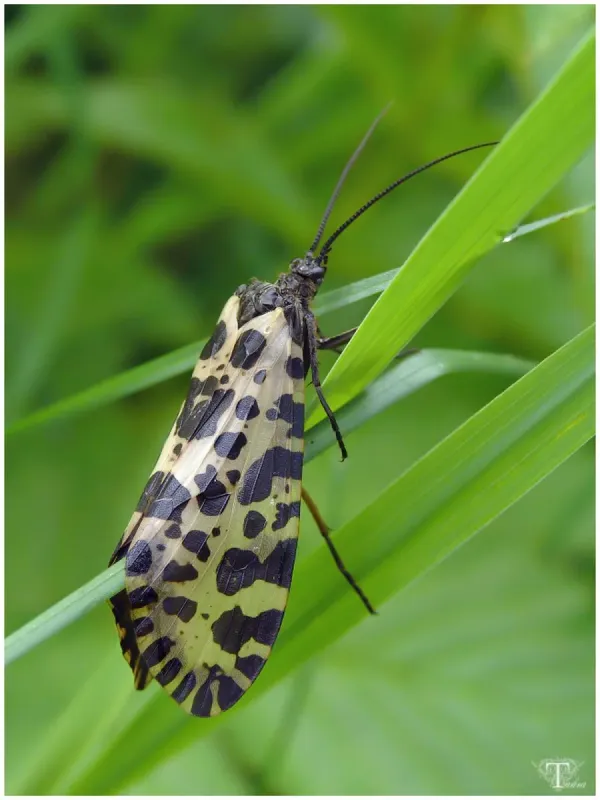
Description
How to identify
Arthroplea congener is a rare species of mayfly belonging to the order Ephemeroptera and the family Heptageniidae.
Adults are recognized by specific wing venation patterns, which serve as a critical diagnostic feature for entomological study.
Nymphs of this species possess unique morphology, particularly their elongated mandibles that distinguish them from other mayfly larvae.
This species typically inhabits slow-moving water bodies, such as forested streams, river backwaters, or wetland areas.
The life cycle encompasses egg, nymph, subimago, and imago stages, with the adult imago stage being notably short-lived.
What it damages
It is important to clarify that Arthroplea congener is not an agricultural pest and poses no threat to crops.
This insect does not feed on land plants and causes no damage to crops, fruits, or the root systems of cultivated vegetation.
Its entire life cycle is restricted to an aquatic environment, where it acts as a primary or secondary consumer.
The nymphs feed on detritus, algae, and fine organic particles, essentially contributing to the natural filtration of water.
From an agronomical perspective, this species is considered beneficial or neutral, serving as an indicator of a healthy environment.
When it appears
Adult activity typically occurs during the summer months, most notably in June and July, coinciding with mass emergence events.
Nymphs develop throughout the year within the water column, undergoing several molting stages adjusted to environmental conditions.
The population density of nymphs is highest during the spring months, immediately preceding the transition into the subimago stage.
The timing of adult emergence is closely tied to water temperature and specific local climate conditions.
Developmental milestones may shift slightly based on geographical latitude and the thermal properties of the specific water body.
Signs of infestation
The presence of this species can be identified by finding shed exoskeletons on riparian vegetation following an emergence event.
Active nymphs can be observed in water samples taken from clean, slow-moving aquatic habitats.
The absence of bite marks or structural damage to surrounding foliage confirms that these insects do not impact agricultural output.
As a biological indicator, the presence of these mayflies suggests that the water quality in the area remains high.
Visual inspections of nearby crops will yield no signs of infestation, confirming the non-pest status of the species.
Control measures
As Arthroplea congener is not a pest, there are no control measures or pesticide applications recommended against it.
The use of insecticides near their habitats should be strictly avoided to prevent disruption of the local aquatic ecosystem.
Preservation of riparian buffers is encouraged to protect the population and maintain local biodiversity.
Agricultural management should prioritize preventing chemical runoff into water bodies to safeguard these sensitive aquatic species.
If the species is identified on land, no action is required other than protecting the integrity of the associated water source.
Taxonomy
- Latin name
- Arthroplea congener
- Family
- Arthropleidae
- EPPO code
- ARPLCO
Discussion
No discussions yet — be the first.