
Arrhopalites pygmaeus
Arrhopalites pygmaeus
Description
How to identify
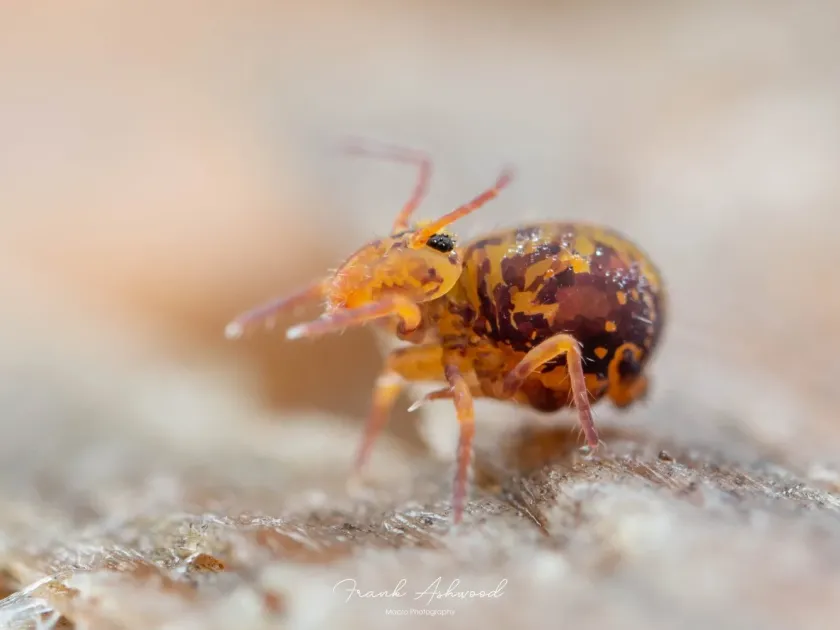
Arrhopalites pygmaeus is a species of springtail belonging to the order Collembola and the family Arrhopalitidae. These tiny arthropods, often measuring between 1 and 1.5 mm, possess a distinct globular body shape and are capable of jumping using a specialized appendage called a furcula.
Their coloration is typically pale, ranging from white to yellowish or light brown, which allows them to remain well-hidden within the soil structure or among moisture-rich organic debris.
The biology of this species is strictly dependent on high humidity and the presence of organic matter. They live in the soil surface layer, congregating in the root zones of plants where moisture is abundant.
The lifecycle involves several molting stages without metamorphosis. In environments with poor drainage and persistent dampness, their populations can multiply rapidly, becoming a significant threat to young plants.
While often considered harmless soil inhabitants, their population density can reach levels where they transition from consuming decomposing matter to feeding on the living tissues of young seedlings.
What it damages
The primary damage is inflicted upon seedlings, young sprouts, and ornamental plants. The pests specifically target tender root hairs, which are vital for the water and nutrient uptake of developing plants.
Mechanical injuries to the root system compromise the plant's structural integrity and provide entry points for secondary pathogens, such as soil-borne fungi that cause damping-off disease.
In greenhouse settings, heavy infestations can lead to substantial loss of seedlings, as the constant feeding prevents the plant from establishing a healthy root structure.
Plants affected by Arrhopalites pygmaeus often exhibit stunted growth, chlorosis, and wilting, even when soil moisture appears to be adequate, due to the destruction of the functional root network.
Young foliage may also be damaged, showing tiny holes or irregular feeding marks, particularly when the seedlings are at their most vulnerable stage immediately after germination.
Signs of infestation
The most noticeable sign of an infestation is the presence of numerous tiny organisms jumping on the soil surface, particularly immediately following an irrigation event.
Stunted growth or unexplained wilting of seedlings despite sufficient moisture is a major indicator. A physical examination of the root ball will often reveal darkened, degraded, or sparse root systems.
The presence of fine dark particulate matter or crust-like layers on the soil surface can signify the accumulation of waste products from a dense population of springtails.
Seedlings may exhibit small lesions or localized tissue necrosis on the stems near the soil line, indicating that the pests are feeding on the epidermis of the plant.
Persistent dampness and poor soil aeration are the most common environmental indicators that suggest a high risk of an Arrhopalites pygmaeus infestation.
Control measures
The most effective management strategy involves modifying the irrigation schedule. Allowing the top layer of the soil to dry out between waterings is often sufficient to drastically reduce the pest population.
Improving greenhouse hygiene is essential. Avoid using raw or undecomposed organic fertilizers in potting mixes, as these materials provide the necessary food supply for springtail reproduction.
- Ensure proper drainage and ventilation in all growing areas.
- Apply a thin layer of coarse sand to the surface of the soil to act as a physical barrier.
- Use biological controls such as beneficial fungi or nematodes if populations remain high.
- Chemical intervention should be considered a last resort, using registered soil insecticides.
Regular cultivation and loosening of the topsoil improve aeration, which makes the environment less conducive to the survival and reproduction of this moisture-loving pest.
Prevention through the sterilization of potting media and maintaining optimal cultural conditions is significantly more effective than curative treatments once the infestation has become established.
Taxonomy
- Latin name
- Arrhopalites pygmaeus
- Family
- Arrhopalitidae
- EPPO code
- ARRTPY
Discussion
No discussions yet — be the first.