
Argyrotaenia kimballi
Argyrotaenia kimballi
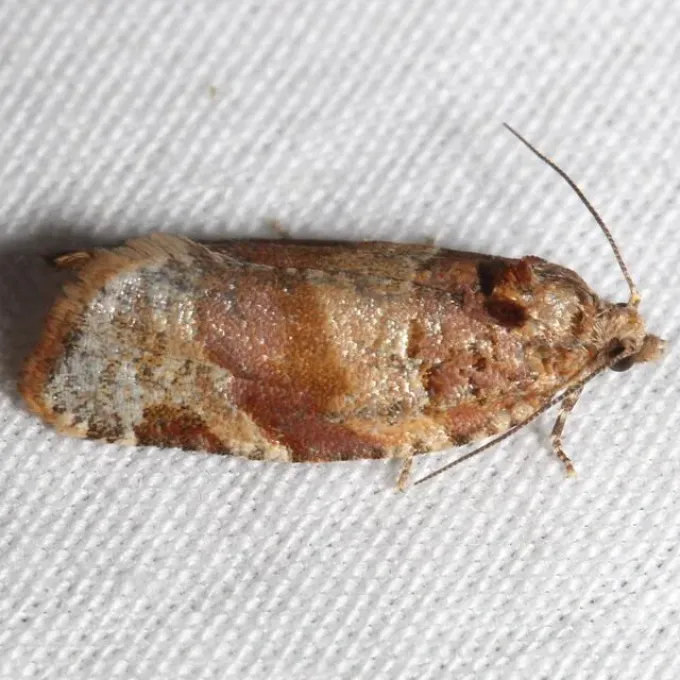
Description
How to identify
Argyrotaenia kimballi is a species of moth belonging to the Tortricidae family. These insects are known as leafrollers, and their caterpillars exhibit characteristic behaviors that impact the host plants during their growth stages.
Adult moths are typically small with cryptic coloration on their forewings, ranging from tan to brown. This appearance allows them to blend into the bark or leaf surfaces of their host plants, effectively evading detection during the day.
The life cycle encompasses four distinct stages: egg, larva, pupa, and adult. The larval stage is the most destructive phase, where the moth causes physical damage to the vegetation through feeding activities.
Behaviorally, the larvae are often found in hidden areas. They frequently construct silken webs to fold or roll leaves, providing them with a protective shelter against predators and harsh environmental conditions.
Identification often requires careful examination of genitalia or the use of pheromone traps to capture adult males, as morphological characteristics can be similar to other species within the Argyrotaenia genus.
What it damages
The primary damage caused by Argyrotaenia kimballi occurs during the larval stage. Caterpillars feed on tender leaves, buds, and young shoots, significantly affecting the plant's health and development.
In orchards and nurseries, the infestation leads to reduced foliage density. Since leaves are essential for photosynthesis, their destruction inhibits the plant's ability to produce energy, potentially stunting its growth.
Damage to developing fruits and floral buds is especially concerning, as it directly impacts marketable yields. Caterpillars often chew into the fruit surface, leaving unsightly scars that reduce the quality of the produce.
These pests also create conditions favorable for secondary infections. Fungal and bacterial pathogens often colonize the damaged leaf tissue, leading to localized rotting or further weakening of the host plant.
Systemic infestations can lead to mass leaf drop and premature drying of twigs. Without timely management, the cumulative damage can significantly weaken the overall health of the tree or shrub population.
Signs of infestation
The most visible sign of an infestation is the presence of rolled, twisted, or webbed leaves. If you unfold these structures, you will likely find a caterpillar or its frass (waste) inside.
Frass accumulation on leaf surfaces or underneath the silken webs is a clear indicator of active feeding. A sudden increase in debris around the foliage warrants an inspection for the presence of larvae.
During the spring and summer months, observe the trees for uneven feeding patterns on buds and newly formed fruit. These surface scars are characteristic of the larval feeding habits of this moth species.
The use of pheromone traps is the industry-standard method for identifying the start of the moth's flight period. Monitoring these traps allows growers to detect the arrival of the pest long before larvae cause widespread damage.
Increased activity of beneficial insects or predators in specific parts of the orchard can sometimes indirectly point to an underlying pest outbreak that needs to be addressed.
Control measures
Effective control of Argyrotaenia kimballi involves an Integrated Pest Management (IPM) approach. This balances biological monitoring with chemical applications when necessary to maintain population levels below the threshold.
Biological control methods, including the use of Bacillus thuringiensis sprays, are highly effective against younger larval stages and are generally safe for the environment and non-target beneficial species.
Chemical control should be applied based on trap data and the growth stage of the larvae. Systemic or translaminar insecticides are typically preferred to reach larvae hiding inside the rolled leaf shelters.
Maintaining a clean growing environment is vital. Removing dead or infested plant materials during the dormant season helps eliminate pupae and overwintering larvae, reducing the pressure for the following year.
- Use pheromone traps for early detection.
- Apply targeted biological insecticides (Bt).
- Rotate insecticide classes to prevent resistance.
- Practice orchard sanitation by removing infested leaves.
Taxonomy
- Latin name
- Argyrotaenia kimballi
- Order
- Lepidoptera (butterflies)
- Family
- Tortricidae
- EPPO code
- ARGTKI
Discussion
No discussions yet — be the first.