
Argyrotaenia franciscana
Argyrotaenia franciscana
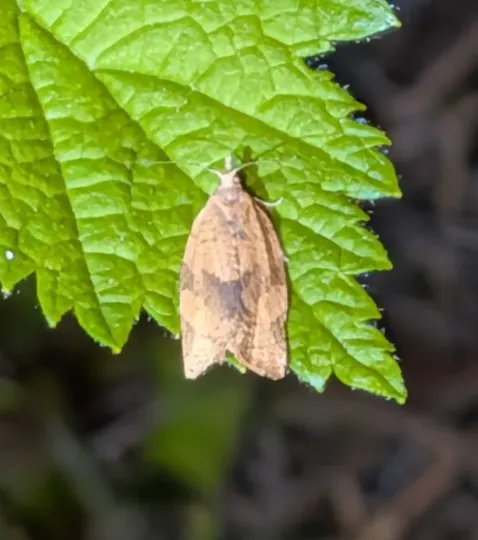
Description
How to identify
Argyrotaenia franciscana is a moth species belonging to the family Tortricidae. It is a well-known pest in horticultural systems, capable of causing significant damage to various crops through its larval activity.
Adult moths typically have a wingspan of 12–18 mm. Their forewings feature complex, mottled patterns ranging from light brown to tan, which provide excellent camouflage against the bark of host trees and foliage.
The larvae, or caterpillars, undergo several developmental stages (instars). They are typically pale or yellowish-green with dark head capsules, which is a diagnostic feature for field identification.
Pupation occurs within sheltered areas, such as webbed-together leaves or folded foliage. This protective behavior makes the pupal stage particularly difficult to target with conventional contact-based control methods.
The life cycle involves complete metamorphosis. Depending on the geographical region and climate, the species may produce multiple generations per season, necessitating strict monitoring and timely intervention.
What it damages
This species is a polyphagous pest, meaning it attacks a wide range of plants. Key crops affected include apples, pears, plums, various berries, and particularly blueberries and grapes, where it causes the most economic loss.
Larval feeding is the primary cause of damage. Young larvae graze on leaf tissue, while older larvae create webbed nests, skeletonizing leaves and feeding on tender shoot tips and developing fruit buds.
When larvae feed on developing fruit, they create shallow, irregular scars on the surface. These wounds not only devalue the crop for the fresh market but also serve as entry points for secondary pathogens like fungi and bacteria.
Severe infestations can lead to substantial defoliation, which stresses the plant, reduces its vigor, and negatively impacts fruit set and the return bloom for the following year.
In nursery settings, the larvae often damage the terminal buds of young trees. This causes the main shoot to die or branch abnormally, resulting in malformed trees that are unsuitable for commercial planting.
Signs of infestation
The most prominent sign of infestation is the presence of webbed or tightly rolled leaves. These "tents" are easily visible during regular orchard scouting and typically contain the larvae or their frass (excrement).
Fruit damage manifests as superficial skin scarring or pitting. These injuries are often clustered where a leaf is webbed against a fruit or where two fruits touch each other, providing a protected feeding site for the caterpillar.
Increased silk webbing between clusters of fruit, leaves, and stems is a strong indicator of an active leafroller infestation, distinguishing it from damage caused by sucking insects or diseases.
An uneven or asymmetrical growth pattern in young shoots is often a sign of terminal bud damage caused by the larvae feeding inside the apical growth point.
Trapping adult moths using pheromone lures is a standard diagnostic method. High trap counts indicate the need for closer inspection of the foliage to identify eggs or early-stage larvae before damage becomes widespread.
Control measures
Cultural control is essential. This includes pruning to remove overwintering sites, maintaining weed-free orchard floors, and sanitation practices that eliminate debris where larvae may successfully pupate.
Biological control plays a key role in integrated pest management (IPM). Using Bacillus thuringiensis (Bt) based products is highly effective against larvae while preserving beneficial predators and parasitoids.
Chemical intervention should be strategically timed based on pheromone trap data and degree-day models to target the most vulnerable larval stages. Using selective insecticides helps maintain the balance of natural enemies.
Encouraging the presence of natural predators, such as lacewings and parasitic wasps, can significantly reduce the overall population pressure of the moth in the orchard environment.
Regular monitoring remains the cornerstone of effective management. By tracking population spikes, growers can apply targeted control measures, minimizing the cost and environmental impact of chemical usage.
Taxonomy
- Latin name
- Argyrotaenia franciscana
- Order
- Lepidoptera (butterflies)
- Family
- Tortricidae
- EPPO code
- ARGTCI
Discussion
No discussions yet — be the first.