
Argyrotaenia amatana
Argyrotaenia amatana
Description
How to identify
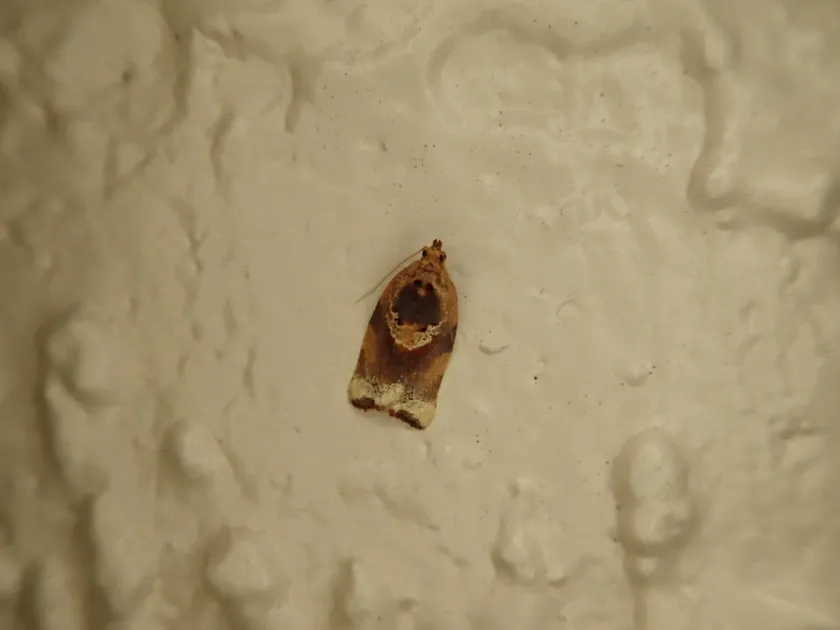
Argyrotaenia amatana is a member of the Tortricidae family, belonging to the order Lepidoptera. The adults are small moths with a wingspan of approximately 15–20 mm, characterized by typical tortricid wing patterns.
The coloration of the wings ranges from light brown to grayish tones with darker transverse bands, which provides excellent camouflage against tree bark or leaf surfaces.
The larvae are typically cylindrical, often displaying greenish or yellowish-green hues with a dark head capsule, which is a key diagnostic feature during field inspections.
The insect undergoes complete metamorphosis, including egg, larva, pupa, and adult stages. Identification at the larval stage can be challenging due to similarities with other Archipini species, often requiring microscopic examination.
In natural habitats, this species is found in forests and orchards, preferring regions with temperate climates that provide a stable food source for larval development.
What it damages
The primary damage is caused by the larvae, which are highly polyphagous and feed on a wide range of fruit trees and ornamental crops.
In orchards, they frequently attack the foliage of apple, pear, and stone fruit trees, skeletonizing leaves or rolling them into characteristic tubes tied with silk.
Beyond foliage, the larvae can damage developing buds and young fruit, leading to reduced yields and cosmetic blemishes on the fruit skin.
Feeding injuries often serve as entry points for secondary fungal and bacterial infections, further weakening the plant and potentially causing premature leaf drop.
- Leaf blade destruction
- Leaf rolling with webbing
- Damage to reproductive organs (buds)
- Accumulation of frass (excrement) on leaves
When it appears
The development cycle of Argyrotaenia amatana is highly dependent on temperature, with mass emergence of adults usually occurring in late spring.
The overwintering stage typically involves older larvae or pupae, which hide in plant debris or crevices in tree bark under silk cocoons.
The first generation is most active during the spring flush, when young, succulent foliage provides the ideal nutritional source for developing larvae.
Throughout the growing season, several generations may develop under favorable conditions, which significantly increases the potential impact on the agrocenosis by mid-summer.
Monitoring adult populations using pheromone traps is standard practice for determining peak flight times and scheduling effective control interventions.
Signs of infestation
The most noticeable sign of infestation is the presence of rolled or web-bound leaves, which provide a protected shelter for the larvae.
Accumulated frass on leaf surfaces or within silk webbing is a clear indicator of active larval feeding and infestation presence.
Damaged buds and flowers often appear withered or deformed, which should be clearly visible during spring canopy inspections.
Fruit damage manifests as superficial lesions or indentations where larvae have fed while protected by a leaf tied to the fruit surface.
General lack of vigor and stunted growth in young shoots may also indicate a hidden infestation, even when leaf rolling is not immediately obvious.
Control measures
Cultural control measures include regular sanitary pruning, as well as the manual removal and destruction of infested foliage and fruit containing larvae.
Biological control involves the use of Bacillus thuringiensis-based products, which are effective against young larvae while remaining safe for beneficial insect populations.
When infestation levels exceed the economic threshold, insecticides with systemic or contact action may be applied, ensuring strict adherence to pre-harvest intervals.
Enhancing natural enemy populations, such as predatory bugs and parasitic wasps, by maintaining flower strips in or near the orchard is a vital component of integrated pest management.
Pheromone and light traps help to disrupt mating cycles and monitor population trends, ultimately reducing the reliance on broad-spectrum chemical pesticides.
Taxonomy
- Latin name
- Argyrotaenia amatana
- Order
- Lepidoptera (butterflies)
- Family
- Tortricidae
- EPPO code
- ARGTAM
Discussion
No discussions yet — be the first.