
Argyrotaenia
Argyrotaenia
Description
How to identify
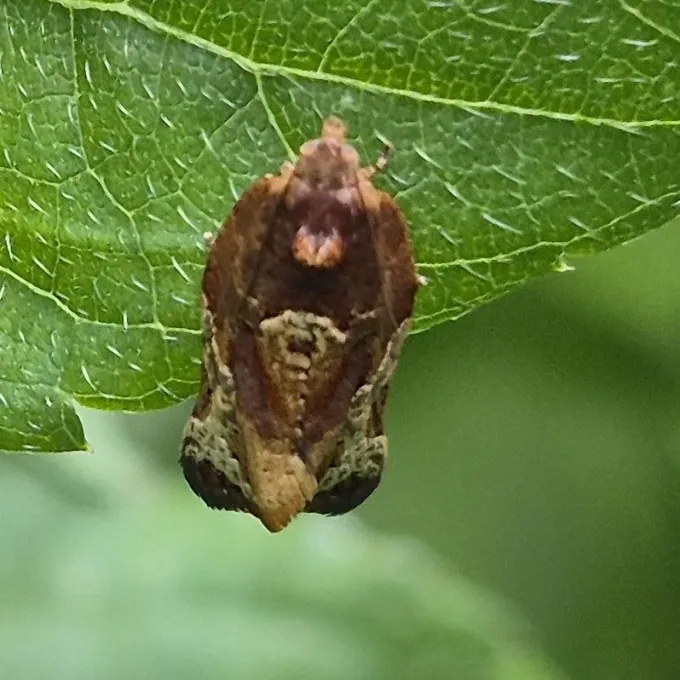
Argyrotaenia belongs to the Tortricidae family within the order Lepidoptera. Adult moths are relatively small, typically having a wingspan ranging from 12 to 20 mm, depending on the specific species and environmental conditions.
The forewings of these moths often display a pattern of light brown to ochre shades with darker markings, bands, or spots. The hindwings are usually lighter, appearing in greyish-brown tones, which aids in camouflage against tree bark.
The larvae, or caterpillars, are equipped with strong mandibles and grow to approximately 15-20 mm in length. They are generally green or yellowish-green, with the head capsule often being darker, which is a key diagnostic feature.
Pupae are brown and develop within rolled leaves securely fastened with silk webbing. This silken cocoon serves as a primary protective barrier against environmental stress and external predators.
Taxonomy within this genus is complex due to high morphological variability among individuals. Precise species identification often requires microscopic examination of the genitalia to ensure an accurate diagnosis.
What it damages
Argyrotaenia species are polyphagous, meaning they attack a wide variety of agricultural crops. Pome and stone fruits, berry bushes, and various deciduous trees are considered high-risk hosts for these pests.
They pose a significant threat to apple, pear, plum, and cherry orchards by feeding on both young leaves and developing fruit. This activity results in direct yield losses and significant reduction in fruit quality.
In nurseries and young orchards, these pests damage buds, terminal shoots, and young foliage. This stunts plant growth, weakens the tree's vigor, and can create entry points for secondary diseases or pathogens.
On infested fruit, larvae create tunnels into the flesh, which often triggers the development of secondary infections like fruit rot. This renders the fruit unmarketable and susceptible to spoilage during storage.
The severity of damage is directly correlated with population density. In cases of outbreaks, Argyrotaenia can consume a substantial portion of a tree's foliage in a very short period of time.
When it appears
The life cycle of Argyrotaenia is closely linked to regional temperature patterns. Typically, there are two to three generations per year, which necessitates a structured approach to pest management throughout the season.
These insects primarily overwinter as young larvae in crevices of tree bark, within dead leaf litter, or inside silk hibernacula. They emerge and resume activity as temperatures rise in the early spring.
Spring emergence coincides with bud break in fruit trees. Larvae immediately begin feeding on tender tissues, making this a critical window for implementing initial control measures in the orchard.
The flight of the first-generation moths typically occurs in late spring or early summer. Females deposit eggs in clusters on leaf surfaces, covering them with protective secretions.
Second and third generations develop throughout the summer months when climatic conditions are most favorable. During this time, they cause significant damage to maturing fruit and new vegetative growth.
Signs of infestation
The most prominent sign of infestation is the presence of leaves curled or tied together with silk webbing. Inspecting these "leaf-rolls" will often reveal the larvae hiding and feeding inside.
Leaves may show skeletonized patches or irregular holes where the larvae have grazed. Opening the silk-tied leaves usually reveals frass (larval excrement), confirming the active presence of the pest.
Fruit shows surface skin damage or shallow boreholes that darken over time. Often, fine silk strands remain attached to the fruit surface, serving as a distinct indicator of recent larval activity.
In cases of high infestation, the tree crown may appear sparse or "chewed," with significant leaf drop. Heavy accumulations of frass are also commonly observed near the areas where leaves are webbed together.
The presence of adult moths in the evening indicates a need for monitoring. Pheromone traps and light traps are highly effective tools for detecting the flight period and determining the need for intervention.
Control measures
The management strategy for Argyrotaenia relies on an integrated approach combining cultural and chemical practices. Regular pruning to remove infested shoots and foliage during dormancy can significantly reduce overwintering populations.
Chemical control should be timed to target early-instar larvae, ideally before they conceal themselves within rolled leaves or enter the fruit, where they become less accessible to insecticides.
Biological insecticides, particularly those containing microbial pathogens, are recommended for use. These agents provide effective control while remaining safe for beneficial insects and orchard biodiversity.
In commercial orchards, pheromone-based mating disruption systems and monitoring traps are essential for population management. These tools help reduce reliance on broad-spectrum pesticides.
Rotation of insecticides with different modes of action is critical to prevent the development of resistance. Monitoring populations and adhering to threshold-based application schedules ensure sustainable orchard protection.
Taxonomy
- Latin name
- Argyrotaenia
- Order
- Lepidoptera (butterflies)
- Family
- Tortricidae
- EPPO code
- ARGTSP
Discussion
No discussions yet — be the first.