
Argyroploce cespitana
Argyroploce cespitana
Description
How to identify
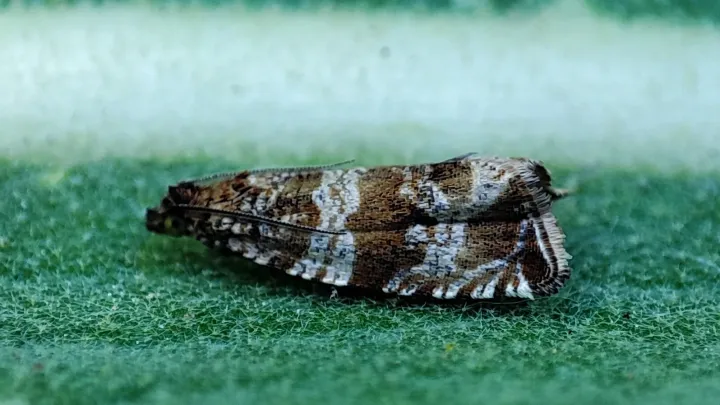
Argyroploce cespitana is a species of moth belonging to the family Tortricidae. These moths are generally small, with a wingspan typically between 15 and 20 millimeters. Their forewings feature complex, mottled patterns that provide excellent camouflage against foliage and dead plant matter.
The larval stage, the caterpillar, is cylindrical and usually displays a dull gray or yellowish-green coloration. They possess a dark, well-defined head capsule, which is adapted for feeding on various plant tissues. Depending on their maturity, larvae can reach a length of over a centimeter.
The life cycle includes a complete metamorphosis consisting of the egg, larva, pupa, and adult stages. These insects typically overwinter as young larvae, tucked away in silk cocoons within debris, surface soil, or dense grass mats.
As temperatures rise in the spring, the larvae emerge from their winter dormancy to resume feeding. Pupation usually occurs in protected spots, such as inside rolled leaves or near the base of the plant, before the adult moths emerge to mate.
Adult moths are primarily nocturnal. They are capable fliers, which facilitates the rapid colonization of new areas, making them a persistent challenge for gardeners and farmers if left unchecked.
##damage##This species is a polyphagous feeder, meaning it attacks a wide variety of plant hosts. It is particularly noted for causing damage to berry-producing shrubs and various herbaceous plants, including several types of weeds and forage crops.
In gardening and agricultural contexts, larvae can cause significant harm to strawberries, raspberries, and currants. They feed aggressively on young foliage, buds, and developing flowers, which can severely compromise the plant's yield potential.
The larvae use silk to roll or web leaves together, creating a protected microenvironment for feeding. This leaf-rolling behavior prevents the plant from photosynthesizing effectively, causing leaves to wither and reducing the plant's overall vigor.
Bud and flower damage is particularly devastating, as it prevents the formation of fruits. The combined effect of feeding on foliage and reproductive structures can lead to stunted growth and lower fruit quality.
During outbreaks, these pests can cause severe defoliation, stripping plants down to their skeletal veins. This makes the host plant highly susceptible to secondary environmental stresses and pathogenic infections.
Signs of infestation
The most prominent sign of an infestation is the presence of rolled or webbed leaves. Caterpillars secure leaves with silk, forming "nests" where they hide during the day and feed safely protected from predators.
Damage often manifests as irregular holes or ragged leaf edges. If you notice leaves that appear to be glued or folded together, it is a strong indication that larvae are active within those structures.
You may also observe the presence of frass (small dark droppings) trapped inside the rolled leaves. This is a tell-tale sign that a caterpillar is currently occupying the leaf nest.
A decline in the growth of new shoots is another indicator. If the tips of the plants are curling, twisting, or drying up, it is likely due to the feeding activity of the larvae.
The presence of fine webbing covering parts of the plant, especially between leaves and around flower buds, confirms the activity of the leafroller, prompting an immediate need for intervention.
Control measures
Managing Argyroploce cespitana requires a multifaceted strategy that includes both preventative cultural practices and active pest control measures during the growing season.
Cultural methods are highly effective: tilling the soil around host plants in the autumn and early spring can help disrupt the overwintering pupae and larvae, significantly reducing the initial population.
Maintaining a clean garden by removing weeds and plant debris minimizes the availability of refuge sites for the moths and their larvae. This reduces the pressure on your primary crops.
For smaller infestations, manual removal of rolled leaves can be quite effective if done early in the season. This prevents the larvae from maturing and spreading to other parts of the plant.
When biological or chemical control is necessary, products containing Bacillus thuringiensis are excellent for targeting larvae without harming beneficial insects. If chemical insecticides are used, apply them before the leaves are fully rolled, as the caterpillars become much harder to reach once protected inside their silk shelters.
Taxonomy
- Latin name
- Argyroploce cespitana
- Order
- Lepidoptera (butterflies)
- Family
- Tortricidae
- EPPO code
- ARGPCE
Discussion
No discussions yet — be the first.