
Spruce bud moth
Argyroploce abietana
Description
How to identify
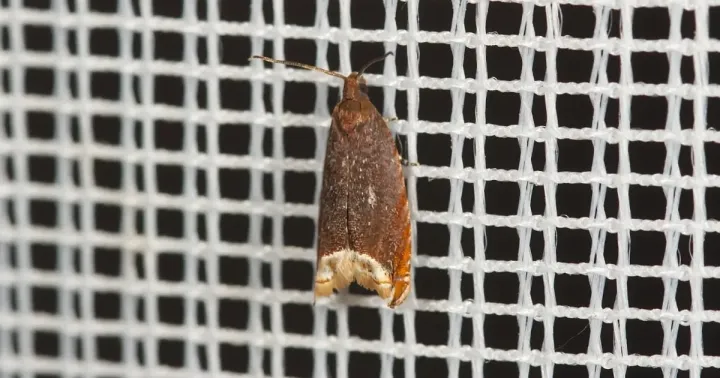
The spruce bud moth (Argyroploce abietana) is a member of the Tortricidae family. The adult moths are small, typically with a wingspan of about 15–18 mm, featuring dull greyish-brown forewings with darker markings.
The larvae are approximately 10–12 mm long, often appearing dirty green or brownish with a darkened head capsule. They are distinguished by their tendency to spin silk webs around needles and buds.
The species generally follows a univoltine life cycle, meaning it completes one generation per year. Development progresses through egg, larval, pupal, and adult stages.
Larvae overwinter in a quiescent state, often concealed within silken hibernacula or beneath the scales of buds, emerging in early spring to begin feeding.
Adult moths are primarily nocturnal, making them difficult to detect during daylight hours, although they can be monitored using light traps or pheromone baits.
What it damages
The primary hosts for this pest are various spruce species (Picea). Larvae specifically target the buds and newly emerging needles, causing structural damage to the tree.
By hollowing out the interior of the buds, the larvae prevent proper shoot elongation, leading to deformed or stunted growth of the branches.
The presence of larval silk webbing causes foliage to clump together, which creates an unsightly appearance and traps debris, further stressing the needles.
In cases of severe infestation, the cumulative loss of buds and needles can lead to crown dieback, particularly in the upper canopy, leaving the tree vulnerable to secondary infections.
While mature trees can often withstand moderate infestations, young trees in nurseries are at high risk of significant growth retardation or permanent structural damage.
Signs of infestation
Key diagnostic signs include the presence of fine silk webbing connecting needles at the tips of shoots during the early spring season.
Brown, withered buds that fail to open or appear misshapen are clear indications that larvae have been feeding internally.
Fecal pellets (frass) trapped within the silk nests are a reliable sign of larval activity and can often be found near the damaged bud sites.
Upon closer inspection, the hollowed-out remains of buds and the presence of pupal cases nestled within the silk webs confirm the infestation.
Sparse, discolored foliage in the upper canopy is often the first visible symptom of a widespread outbreak, requiring immediate attention.
Control measures
Good silvicultural practices, such as ensuring adequate tree spacing and promoting vigorous growth, help increase the natural resistance of spruce stands.
For ornamental or small-scale plantings, pruning and destroying infested shoots early in the season can significantly reduce the local pest population.
Biological control options include the use of Bacillus thuringiensis (Bt) sprays, which are effective against young larvae while minimizing impact on non-target species.
Chemical control involving systemic or contact insecticides should be timed to coincide with the period of larval emergence and active feeding before the buds are fully protected by silk.
Integrated Pest Management (IPM) strategies, including monitoring with pheromone traps, are recommended to determine the optimal timing for interventions and to minimize pesticide use.
Taxonomy
- Latin name
- Argyroploce abietana
- Order
- Lepidoptera (butterflies)
- Family
- Tortricidae
- EPPO code
- ARGPAB
Discussion
No discussions yet — be the first.