
Archips micaceana leafroller
Archips micaceana
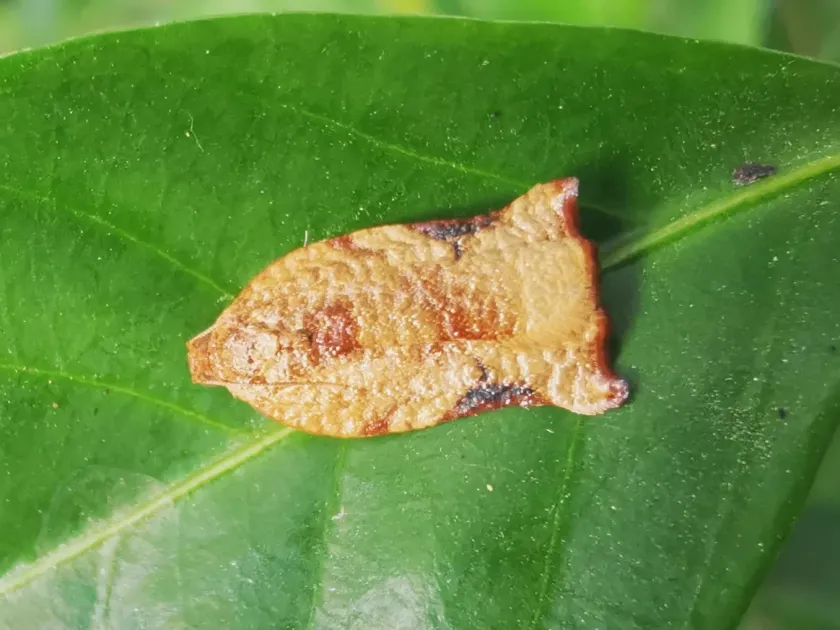
Description
How to identify
Archips micaceana is a member of the Tortricidae family and the Lepidoptera order. It is a polyphagous pest; the adult stage is a moth with wing patterns typical for its genus, used for camouflage.
The adult body is covered with dense hairs, and the forewings feature specific patterns that allow the insect to blend into tree bark. The wingspan typically ranges from 18 to 25 millimeters, depending on the larvae's nutritional conditions.
Caterpillars of this species are highly mobile and possess distinct spots on their bodies. They progress through several instars, gradually changing color, which serves as a key identifier for this pest.
The pupal stage usually occurs inside rolled leaves or beneath tree bark scales. The pupae are brown or dark brown, making them difficult to detect during routine plant inspections in autumn and spring.
The life cycle is closely linked to regional climatic conditions. Depending on the geography, the species may produce one or two generations per year, which directly impacts the total population size in the area.
What it damages
This species is a polyphage, capable of feeding on a wide range of plants, including various fruit trees, ornamental shrubs, and certain forest tree species.
The greatest damage is caused to young leaves, buds, and fruit ovaries. Caterpillars actively eat the leaf blades, leaving only the main veins, which disrupts the plant's photosynthesis process.
Damage to buds and young ovaries leads to mass shedding or fruit deformation, significantly reducing crop marketability and the overall productivity of perennial plantations.
The larvae often use silk webbing to bind leaves together, creating protective nests ("cigars"), inside which they remain relatively safe from natural predators and contact insecticides.
Under heavy infestation, this pest can strip a tree crown bare in a short period, weakening the plant's immune system and making it highly susceptible to secondary diseases.
When it appears
Initial adult appearance occurs in late spring or early summer when stable positive temperatures are reached, marking the start of active moth flight and egg-laying.
Caterpillar activity coincides with the plant's active growing phase — from the onset of bud break until mid-summer. This is when the most severe damage to the leaf apparatus occurs.
The overwintering stage typically consists of early-instar larvae hiding in sheltered areas such as bark cracks, plant debris, or under fallen leaves.
Larval emergence from hibernation is synchronized with the beginning of the host plant's growth, providing immediate access to succulent tissues for rapid biomass accumulation.
Pupation occurs at the end of summer, followed by the emergence of the second generation (if climate permits) or entry into diapause until the next season, completing the annual cycle.
Signs of infestation
The primary visual sign of Archips micaceana presence is the appearance of leaves rolled into tubes or cocoons, bound by fine silky webbing.
Characteristic "windows" or hole-like damage can be seen on leaf surfaces, which eventually lead to the complete skeletonization of the leaf blade.
Larval frass (excrement) accumulating inside leaf rolls or on the leaf surface is a clear indication of the pest's active feeding in that zone of the canopy.
Withered and prematurely dropped buds are also an indirect sign of leafroller activity, especially during the early orchard flowering period.
Upon inspecting tree trunks, empty pupal shells can be found protruding from beneath bark scales, confirming the completion of the life cycle and the recent flight of moths.
Control measures
Mechanical control involves the regular manual collection and destruction of rolled leaves, as well as clearing dead bark scales from tree trunks in autumn and early spring.
Biological management includes the use of Bacillus thuringiensis-based products, which are effective against early-instar caterpillars while remaining safe for beneficial insects.
Chemical protection should be applied strictly during periods of maximum pest vulnerability — before the leaves are rolled, while larvae are feeding openly on the surface.
- Use of pheromone traps to monitor adult flight.
- Application of systemic insecticides when economic thresholds are reached.
- Introduction of entomophages, such as Trichogramma, into the orchard.
Maintaining tree health through proper pruning, balanced fertilization, and adequate irrigation is crucial, as it enhances plant resistance against pest attacks.
Preventive spraying at the start of the vegetative season helps reduce population numbers early on, preventing widespread orchard damage later in the summer.
Taxonomy
- Latin name
- Archips micaceana
- Order
- Lepidoptera (butterflies)
- Family
- Tortricidae
- EPPO code
- ARCHMI
Discussion
No discussions yet — be the first.