
Archips machlopis
Archips machlopis
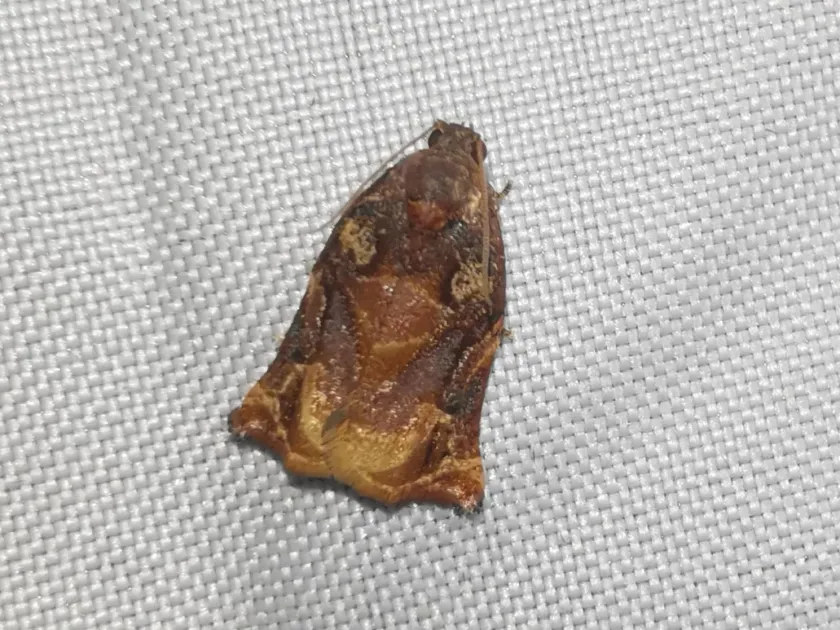
Description
How to identify
Archips machlopis is a species of moth belonging to the family Tortricidae, order Lepidoptera. Like other leafrollers, the adults have a characteristic wing shape, resting with their wings held flat in a triangular or bell-shaped formation.
The forewings of the adults typically feature a pattern of ochre-yellow to brown tones, often with a darker reticulated or banded design. The hindwings are generally lighter, usually greyish, and fringed.
The larvae are typical leafroller caterpillars, possessing a well-developed head capsule and three pairs of thoracic legs. Their coloration often helps them blend in with the leaf tissue they consume.
The life cycle involves complete metamorphosis: egg, larva, pupa, and adult. The duration of each stage is highly dependent on ambient temperatures and host plant quality.
These moths are primarily nocturnal, which is an important consideration when setting up monitoring traps or planning insecticide applications for better coverage.
What it damages
The larvae of Archips machlopis are highly polyphagous, feeding on a variety of woody plants. They are particularly detrimental to fruit trees, where they target buds and young foliage.
In early spring, larvae bore into swelling buds, causing stunted growth or total destruction of potential blossoms and leaf clusters. This directly impacts the plant's photosynthetic capacity.
As the season progresses, caterpillars feed on young leaves, rolling them into protective tubes or shelters, which limits the available surface area for photosynthesis.
Fruit damage occurs when larvae feed on the surface of young fruitlets, creating scarred, misshapen, or corky patches that significantly lower the market value of the produce.
Severe infestations can lead to significant canopy defoliation, which stresses the tree, reduces vigor, and makes it more susceptible to environmental stressors and other diseases.
Signs of infestation
The most distinctive sign of a leafroller infestation is the presence of rolled or folded leaves, bound together by silk threads produced by the larvae.
Exposed feeding damage on leaves, showing skeletonized areas or irregularly shaped holes, is a common indicator that caterpillars are actively feeding on the host plant.
Visible silk webbing around flower buds or clusters, often with dark frass (droppings) trapped inside, provides clear evidence of larval presence and activity.
Surface blemishes on developing fruit, appearing as irregular, scab-like marks, are frequently observed when larvae graze on the epidermis of the fruitlets.
A reduced number of healthy buds in early spring and the presence of loose, hanging leaves wrapped in silk are hallmark signs for professional orchard scouting.
Control measures
Monitoring is crucial; pheromone-baited traps are recommended to track the flight patterns of adult moths and time chemical or biological interventions accurately.
Cultural control methods involve pruning infested shoots and maintaining orchard hygiene, such as clearing debris where larvae might seek refuge or overwinter.
Biological control agents, including parasitic wasps like Trichogramma spp. or bacteria-based insecticides, can be effective in maintaining pest populations below economic thresholds.
Chemical control should be reserved for periods of peak larval activity and must involve the rotation of chemical classes to prevent the development of resistance.
Encouraging natural predators, such as birds and predatory insects, within the orchard ecosystem contributes to long-term sustainable management of this pest.
Taxonomy
- Latin name
- Archips machlopis
- Order
- Lepidoptera (butterflies)
- Family
- Tortricidae
- EPPO code
- ARCHMA
Discussion
No discussions yet — be the first.