
Bee moth
Aphomia sociella
Description
How to identify
The bee moth (scientific name: Aphomia sociella) is a moth belonging to the family Pyralidae. It is widely recognized as a major pest of nests belonging to social insects like bumblebees and wasps.
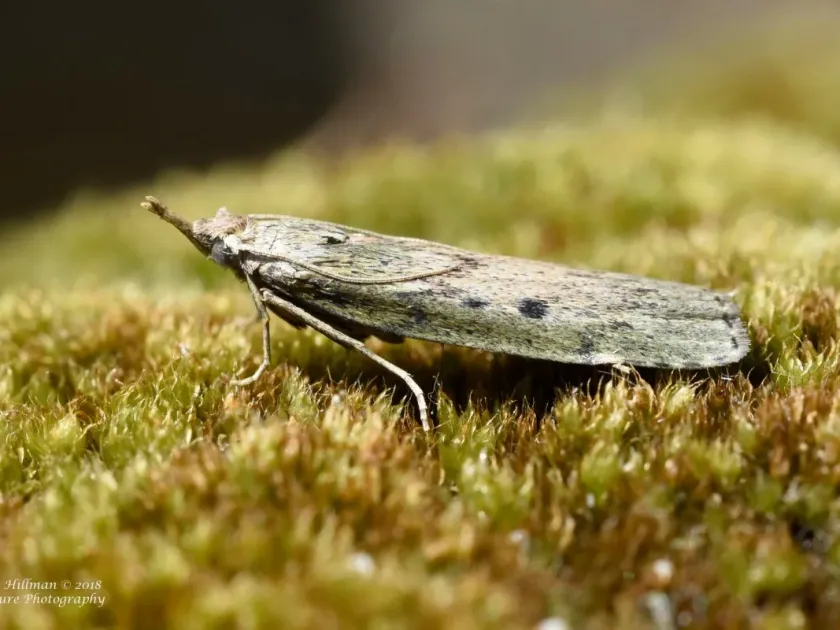
Adult moths typically have a wingspan ranging from 20 to 40 mm. Females are generally larger, with brownish-red forewings featuring distinct dark spots and patterns.
Males are distinguished by a lighter, yellowish-ochre coloration. This sexual dimorphism is common within the species and aids in their cryptic behavior in natural habitats.
The larvae are approximately 30 mm long and possess a dirty-white to grey body with a hardened, dark-colored head capsule, which is typical for the wax moth subfamily.
As members of the order Lepidoptera, they have evolved a specialized life strategy that allows them to thrive in the protected environments provided by the colonies of other insects.
What it damages
The primary economic impact involves the destruction of bumblebee nests, which are critical for the pollination of agricultural crops and wild flora.
In beekeeping, the bee moth can invade beehives, causing significant structural damage to honeycombs by boring tunnels and weaving silk mats that trap debris and waste.
Larvae consume wax, pollen, honey, and even the cocoons of bee larvae. This aggressive feeding behavior often leads to the total collapse of the colony or the abandonment of the nest.
Infested hives or nests become unsuitable for further use, leading to loss of inventory and necessitating deep cleaning or the disposal of contaminated materials.
The reduction in pollination efficiency resulting from the loss of bumblebee populations can have long-term indirect effects on crop production quality and yield.
When it appears
The flight period for adult moths typically occurs between late spring (May) and late summer (August), coinciding with the peak nesting activity of social pollinators.
Females are highly efficient at locating nests, depositing batches of eggs near the entrance or inside the nesting substrate to ensure food availability for the hatching larvae.
The lifecycle from egg to adult is relatively fast, usually taking between two to three months, which allows for rapid infestation of available host nests during the warmer months.
Overwintering occurs in the larval stage. Larvae construct sturdy silk cocoons that provide insulation and protection against cold temperatures during the winter season.
Pupation takes place in the spring within these secure cocoons, after which the adults emerge to begin the cycle of searching for and colonizing new nests.
Signs of infestation
The most visible sign of an infestation is the presence of silk webbing, which becomes increasingly dense as the larval population grows and consumes the nest components.
- Tunnels bored through honeycombs or nest structures.
- Accumulation of larval frass, appearing as dark granular pellets.
- A foul, musty odor emanating from the nest due to decaying biological matter.
- Visible decline in the foraging activity of the bumblebees or honeybees.
Heavily damaged sections of the nest often appear cluttered and grey due to the combination of silk, excrement, and remnants of larvae and host pupae.
Discarded particles of nest material near the entrance often indicate that larvae are actively expanding their tunnels and cleaning their living space.
Control measures
The most effective strategy is to maintain strong, healthy colonies, as vigorous bees or bumblebees are much better at defending their nests against moth entry.
Routine hygiene is essential; removing old or damaged wax, debris, and nest remnants significantly reduces the likelihood of a successful infestation.
Biological control agents, such as specific strains of Bacillus thuringiensis, can be used to treat infested materials and kill larvae without harming the pollinator colonies.
Proper storage of comb and hive equipment in cool, well-ventilated areas discourages the moth from ovipositing, as they prefer warm and undisturbed conditions.
Regular monitoring of hives during the spring and summer months allows for the early detection and removal of larvae before they cause significant damage to the nest.
Taxonomy
- Latin name
- Aphomia sociella
- Order
- Lepidoptera (butterflies)
- Family
- Pyralidae
- EPPO code
- APHMSO
Discussion
No discussions yet — be the first.