
Apanteles minor
Apanteles minor
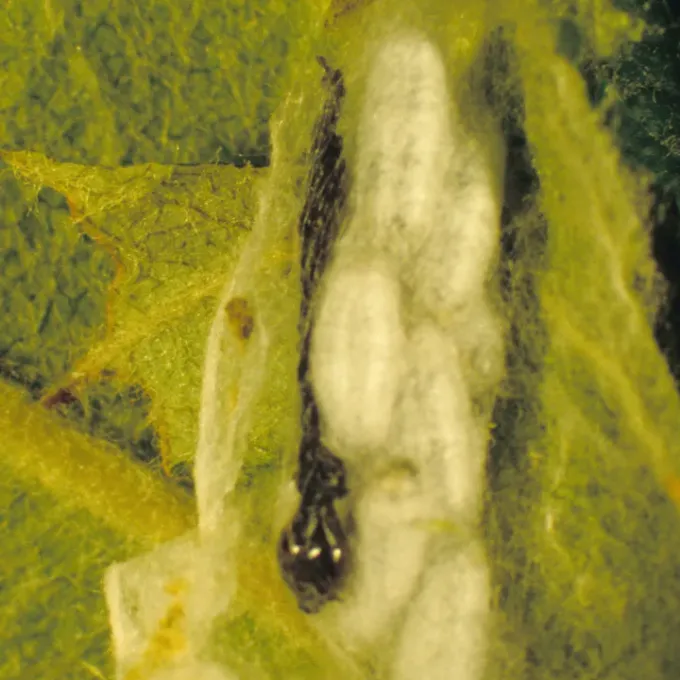
Description
How to identify
Apanteles minor is a member of the Hymenoptera order, specifically within the Braconidae family. While many species in this family are known as beneficial parasitoids, this specific species requires careful monitoring due to its interactions with various plants.
The adult insect is a tiny, dark-bodied wasp. Identifying these insects in the field requires specialized knowledge of wing venation and abdominal structure, often requiring high-magnification equipment for accurate species confirmation.
Its life cycle follows a complete metamorphosis: egg, larva, pupa, and adult. The development rate is heavily dependent on environmental variables such as humidity, ambient temperature, and the health of the host environment.
Monitoring for this species is most effective when using yellow sticky traps or pheromone baits positioned strategically throughout the plantation or greenhouse, allowing for precise population counting.
Understanding the micro-climate preferences of Apanteles minor helps agronomists predict periods of peak activity, which is crucial for timing agricultural interventions effectively.
What it damages
This pest is known to affect various tree and shrub species, as well as several specialty crops. Damage occurs primarily when the larvae feed or develop within the tissues, disrupting the plant's normal growth trajectory.
The feeding activity often leads to the stunted development of leaves and shoots, which significantly impairs the plant's photosynthetic capacity and reduces overall yield quality.
In nurseries, the presence of this pest can cause a decline in the vitality of young saplings, making them more susceptible to drought, cold, and various secondary diseases.
Economically, the presence of the insect at high density results in significant financial losses, both in terms of crop output and the costs associated with implementing emergency control measures.
The damage is rarely uniform across a field, often appearing in patches that highlight the insect's preference for certain growth stages or micro-habitats within the agricultural site.
When it appears
The activity of Apanteles minor typically aligns with the arrival of stable warm weather in the spring, once temperatures exceed the threshold required for emergence from winter dormancy.
During the summer months, the pest completes multiple generations, causing its population density to rise significantly. Peak infestations often coincide with the mid-summer vegetative phase of the host plants.
As autumn approaches, the insect prepares for hibernation, seeking sheltered locations to survive the winter. Autumn monitoring is essential to predict the initial population levels for the following spring.
Environmental factors, especially rainfall and relative humidity, play a critical role in controlling population explosions. Prolonged dry spells often exacerbate the spread of the insect.
Agronomic planning should include regular check-ups from early spring to late autumn to ensure that any population surge is detected and addressed well before it reaches the economic injury level.
Signs of infestation
The earliest signs of an infestation include the appearance of chlorotic or distorted foliage that does not seem linked to typical nutrient deficiencies or irrigation issues.
Close inspection of the underside of leaves or the stems often reveals evidence of oviposition or the presence of cocoons if the life cycle has progressed to the pupal stage.
Plant vigor loss is a common sign; crops may appear lethargic or exhibit delayed phenological transitions, such as slow blooming or uneven ripening of fruits and seeds.
In many cases, the presence of the pest is accompanied by opportunistic fungal growth, which colonizes the plant tissues weakened by the insect's initial feeding or structural disturbance.
Regular visual scouting of field edges and nurseries, combined with trap data, is the most reliable way to identify early signs of infestation and prevent widespread damage.
Control measures
A successful control strategy for Apanteles minor involves an Integrated Pest Management (IPM) approach that prioritizes long-term prevention over immediate chemical intervention.
- Practicing strict hygiene, including the removal and destruction of infested plant debris.
- Encouraging natural predators and parasitoids to thrive in the area to keep population levels low.
- Using sticky traps and pheromones to monitor activity and disrupt mating cycles.
- Applying selective, narrow-spectrum insecticides only when necessary based on threshold data.
Biological controls, such as the application of entomopathogenic fungi, have shown promise in reducing population surges without harming the broader ecosystem or beneficial insect populations.
When chemical application is deemed necessary, rotation of products with different modes of action is highly recommended to delay or prevent the development of pesticide resistance.
Proactive management of the crop environment, including optimal irrigation and fertilization, remains the strongest defense, as healthy plants are better equipped to tolerate low levels of pest pressure.
Taxonomy
- Latin name
- Apanteles minor
- Order
- Hymenoptera
- Family
- Braconidae
- EPPO code
- APANMN
Discussion
No discussions yet — be the first.