
Apanteles coleophorae
Apanteles coleophorae
Description
How to identify
Apanteles coleophorae is a species of parasitic wasp belonging to the family Braconidae. It is a highly specialized endoparasitoid that focuses its life cycle on caterpillars of the genus Coleophora.
The adult wasp is small, typically measuring only a few millimeters in length, with a black body and clear wings. Like other braconids, it uses its antennae to search for suitable hosts to lay its eggs.
The lifecycle begins when the female wasp injects an egg into the host larva. The developing larva of the wasp consumes the internal tissues of the casebearer caterpillar, eventually killing it.
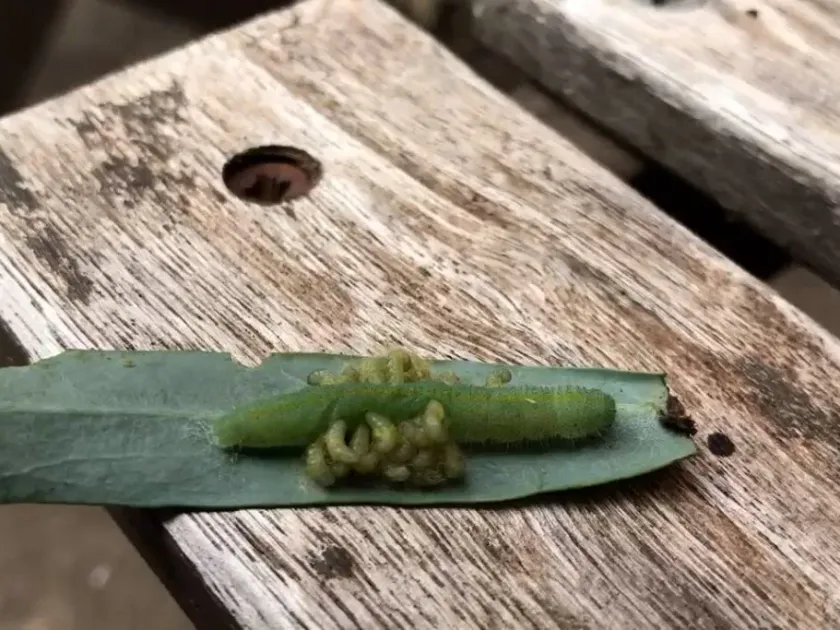
Once the wasp larva has completed its development, it emerges from the host and spins a characteristic white silken cocoon. This cocoon is often found near the remains of the victim.
This species is considered an essential beneficial insect in orchards and gardens, as it acts as a natural limiting factor for populations of various casebearer moth species.
What it damages
Apanteles coleophorae is not a pest; rather, it is a crucial ally in the biological control of garden pests. It does not cause damage to plants, trees, or crops.
The host, the casebearer moth, is a significant pest that feeds on the foliage, buds, and flowers of fruit trees such as apples, pears, and plums. Their feeding habits cause "mining" damage, leading to leaf drop.
By parasitizing these caterpillars, Apanteles coleophorae reduces the overall damage inflicted on fruit-bearing trees. Fewer caterpillars mean healthier foliage and improved yield quality.
The damage caused by the host includes skeletalizing leaves and creating necrotic spots, which significantly hinders the photosynthetic capacity of the trees if left unchecked.
Because the wasp effectively reduces host density, it minimizes the need for chemical interventions, thereby contributing to the health and sustainability of the orchard ecosystem.
When it appears
The seasonal activity of Apanteles coleophorae is closely tied to the lifecycle of its host, the casebearer. Activity typically peaks during the spring when the larvae start feeding.
The wasp goes through multiple generations per year, allowing it to maintain pressure on host populations throughout the active growing season of the host plants.
During the warmer months, adults are actively searching for hosts to continue their reproductive cycle, ensuring a continuous presence of this natural control agent.
Winter survival is typically achieved through the larval stage, often within a cocoon hidden in crevices of tree bark or leaf litter, protected from extreme cold.
Environmental factors such as temperature and humidity significantly influence the synchronization between the parasite and its host, determining the success rate of the control.
Signs of infestation
The presence of Apanteles coleophorae is most easily identified by observing the parasitized host larvae or the remnants of their life cycle near damaged foliage.
Small, white, elliptical cocoons attached to leaves or branches are the most distinct visual indicator that the wasp has successfully parasitized a local population of casebearers.
Parasitized larvae usually look lethargic, fail to move actively, and stop feeding before they die. They are often found shriveled or abandoned in areas where healthy caterpillars would normally be feeding.
If you notice a decrease in leaf "mining" activity alongside the presence of these small white cocoons, you are observing an active biological control in progress.
Frequent monitoring of the orchard during spring can help assess the level of parasitism and determine if further protective actions for the wasps are necessary.
Control measures
Effective management regarding this wasp focuses on preserving its population. It is critical to minimize the use of broad-spectrum insecticides that kill beneficial insects.
Integrated Pest Management (IPM) strategies should be prioritized, focusing on selective treatments and timing that avoid harming the parasitic wasps during their active stages.
Maintaining a diverse garden environment with floral resources provides essential nutrition for adult wasps, which feed on nectar and pollen.
- Avoid the use of toxic organophosphates.
- Establish flowering buffer strips to support adult wasp longevity.
- Monitor casebearer populations rather than treating preemptively.
- Use selective biological pesticides where necessary.
By fostering a friendly environment for these natural enemies, orchard managers can significantly reduce reliance on chemicals and enjoy a more balanced, self-regulating ecosystem.
Taxonomy
- Latin name
- Apanteles coleophorae
- Order
- Hymenoptera
- Family
- Braconidae
- EPPO code
- APANCP
Discussion
No discussions yet — be the first.